Annapurna Base Camp from Poon Hill: Difficulty
To be realistic, the Annapurna Base Camp and Poon Hill treks are separate trekking routes from the original traditional Annapurna Base Camp. Both treks are known as beginner-friendly if done separately, but the combined route is mainly suggested for trekkers with beginner-level experience. But how could two beginner trekking routes only be for experts or trekkers with experience?
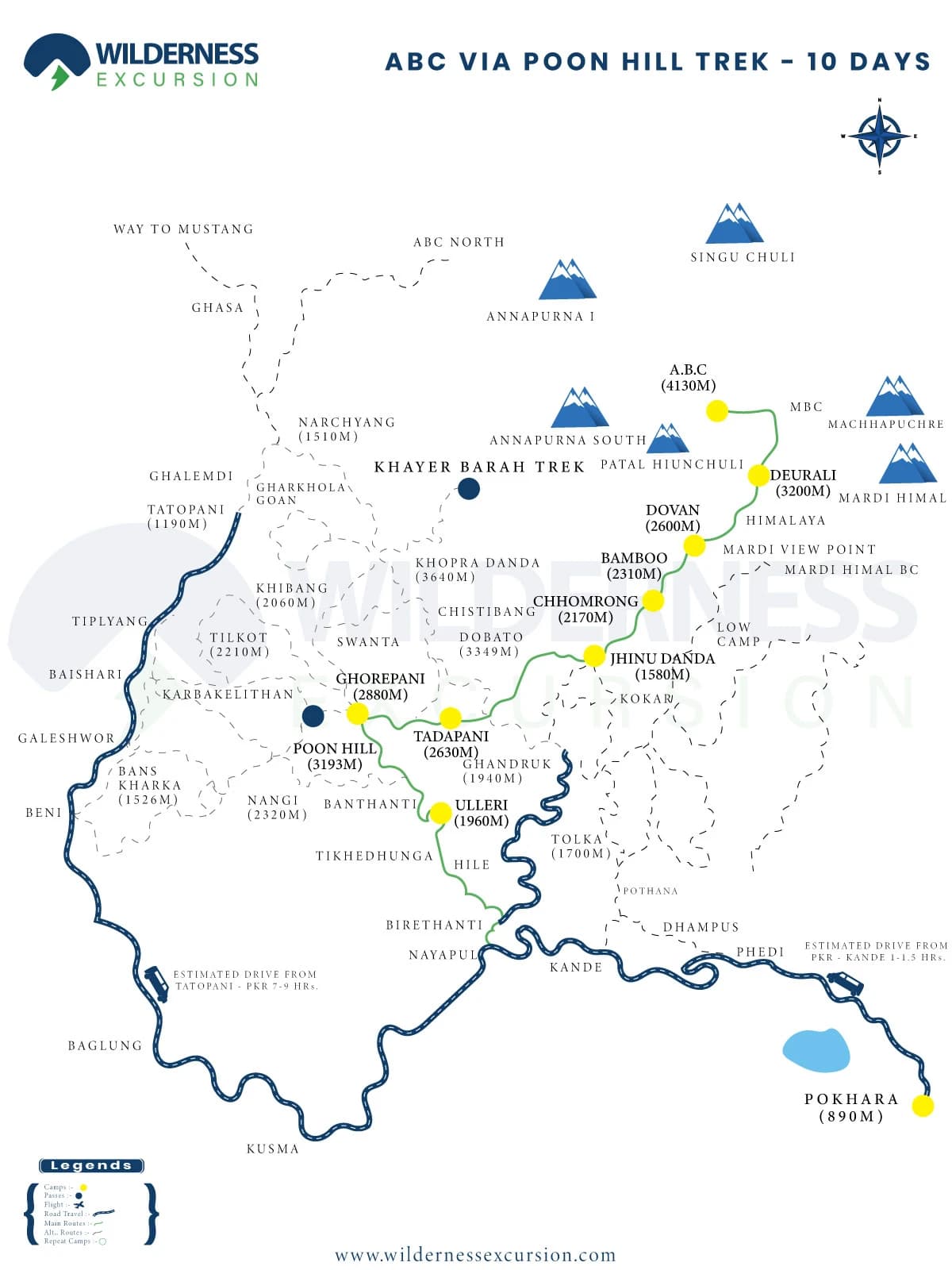
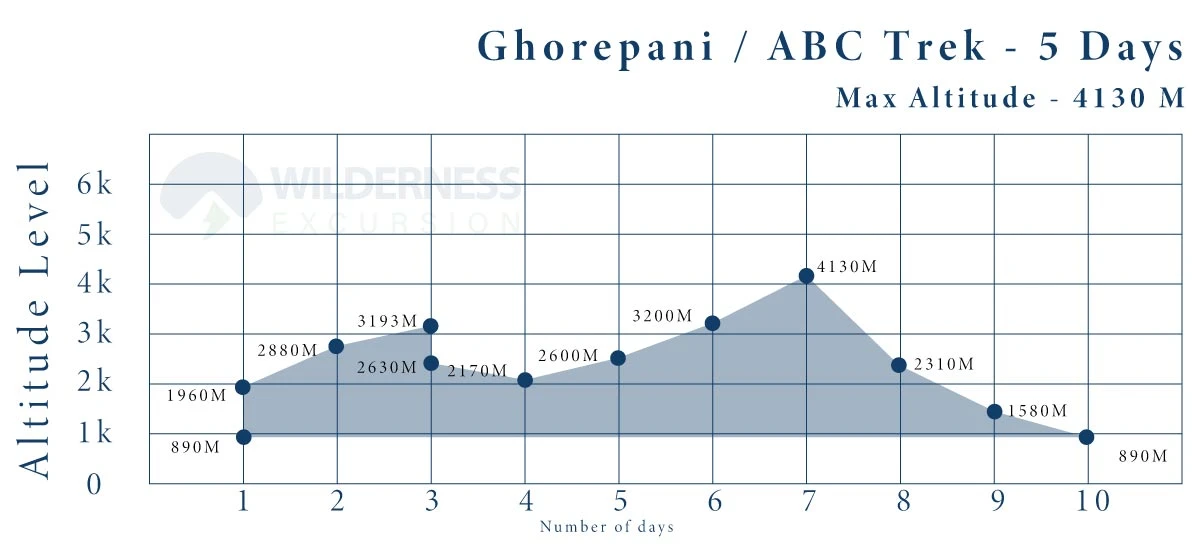
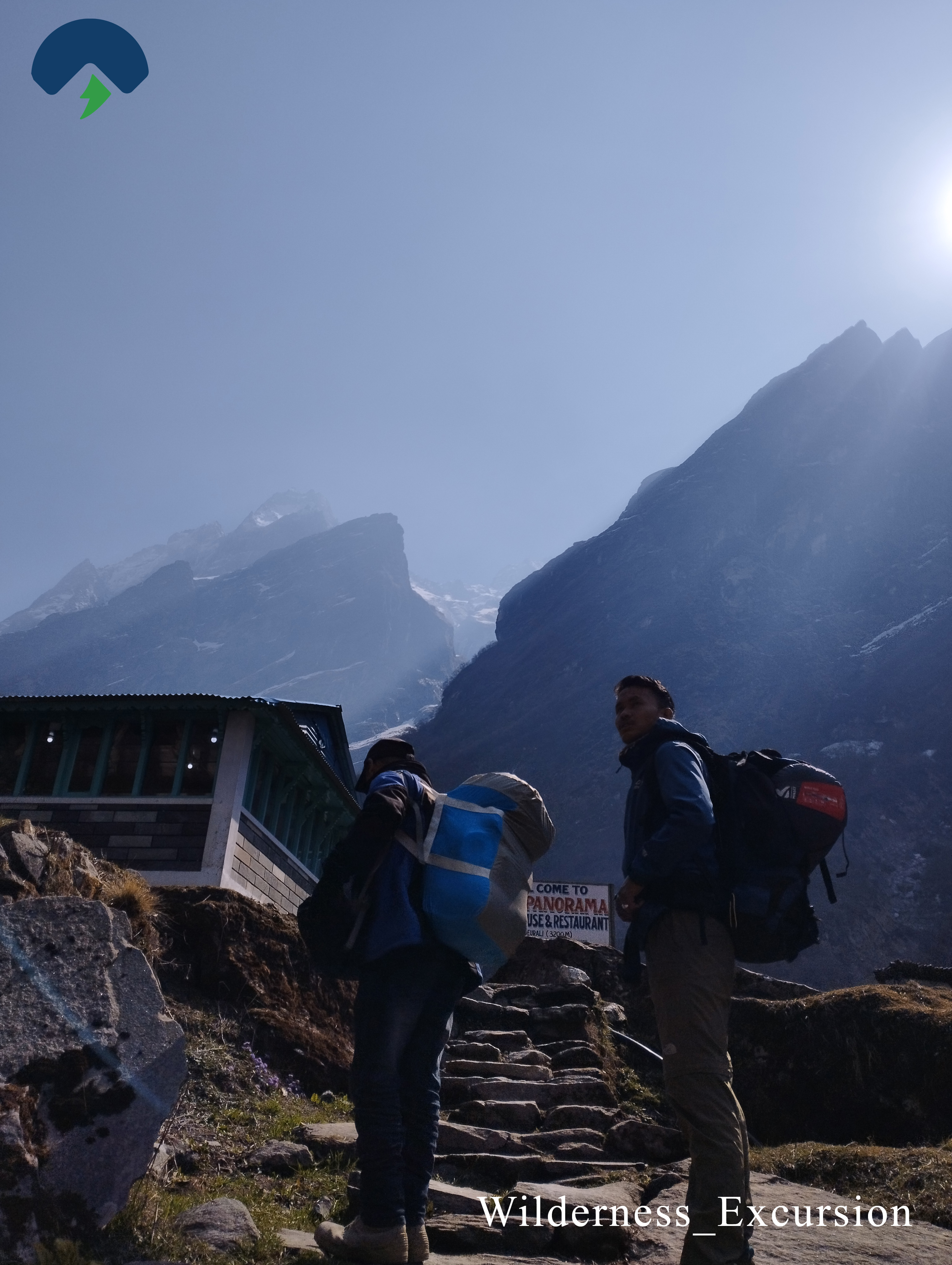
Trekking difficulty depends heavily on multiple factors: duration, trail conditions, altitude acclimatisation, altitude level, average walking duration, distance, and accommodations. A perfectly beginner trekking route can also be hard if it isn’t planned properly. The classic Annapurna Base Camp trail starting from Jhinu Danda is relatively easier, since you drive more than half of the original trail, and starting from Upper Sinuwa, most trails are along the hills and river valleys. The Ghorepani trail from Birethanti follows a roadway to Hile village, with a sharp turn and uphill starting from Tikhedhunga to Ulleri and gradual uphill; this section, combined with the famous stair uphill of Sinuwa, makes it a struggle for beginners. The section between Tadapani and Chhomrong also has a huge gap with sharp downhill and uphill for more than an hour or two, with constant altitude descent and gain.
So, yes, the trek is only recommended to those who have at least entry-level hiking experience or are physically fit and capable of 10 days of hiking. But it is also possible to trek with quality time for preparation.
Annapurna Base Camp – The seasonal trek
The best time to do the Poon Hill trek with Annapurna Base Camp is during the peak of the tourism season in Nepal. Nepal experiences peak tourism twice a year, when major adventures are done due to favourable weather. Early March to late June and September to late December are considered the best times for trekking in Nepal. Why?
During this specific period, the climate of Nepal is suitable for most of the adventure activities, including trekking. For a successful ascent or pass, favourable weather plays a vital role, as does one’s physical condition. Weather determines your next step and your ability to take on the challenge as well. So, during these months, Nepal experiences the spring and autumn seasons. The perfect time is when it's neither cold nor too hot and there's a clear sky for the best visually pleasing mountain ranges. Let’s have a breakdown of seasonal experiences you may get in both seasons.
Seasonal Experience
March–May: Pre-monsoon (Spring season)
- Pleasant daytime temperatures make long walks comfortable.
- Clear skies provide wide, unobstructed views of Annapurna and surrounding peaks.
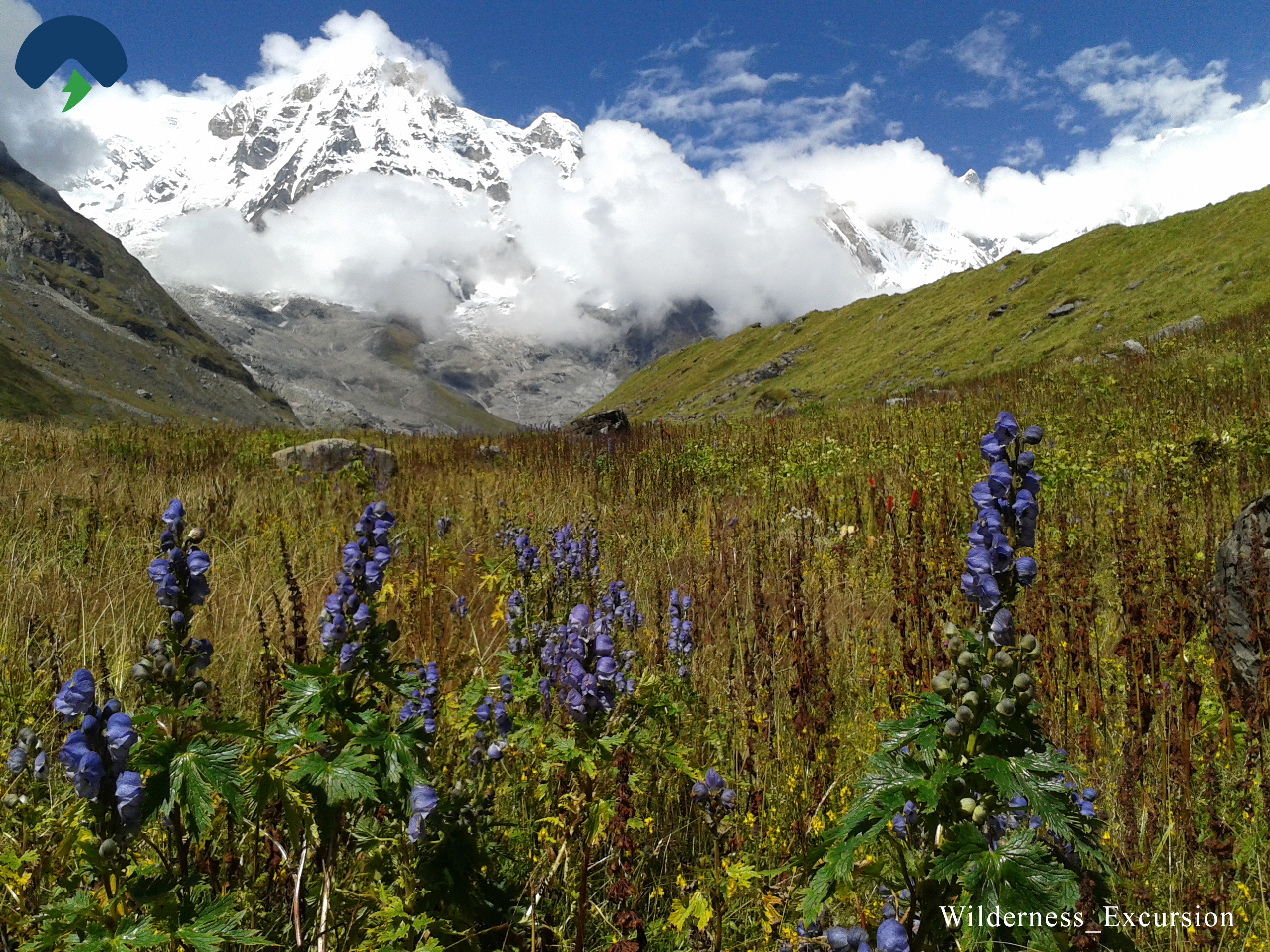
- Blooming alpine flowers add vibrant colours along the trail.
- Dry paths ensure safer and more stable trekking conditions.
- Spring festivities in villages bring cultural life and local warmth.
September – December: Post-monsoon (Autumn season)
- Post-monsoon air removes dust and haze, delivering excellent visibility.
- Comfortable humidity levels create ideal trekking conditions.
- Calm rivers and reduced landslide risk make routes safer.
- The season aligns with important festivals and harvest celebrations.
- Autumn transforms forests with shades of gold, red, and amber.
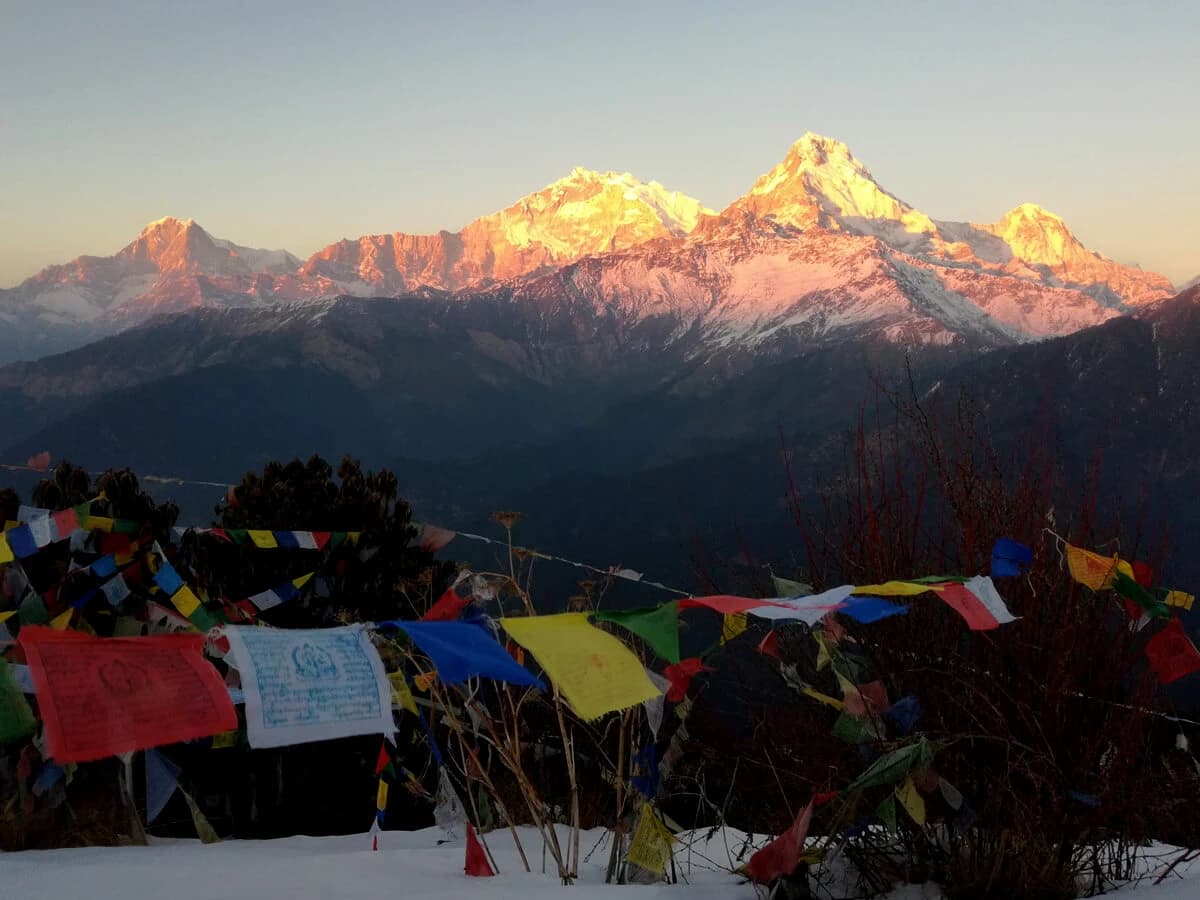
Since the trek is combined with Poon Hill, which requires excellent visibility of the whole mountain range and a safe trail to the base camp, the trek is best done in the season for the highest degree of satisfaction.
Accommodation and Food in Annapurna and Poon Hill
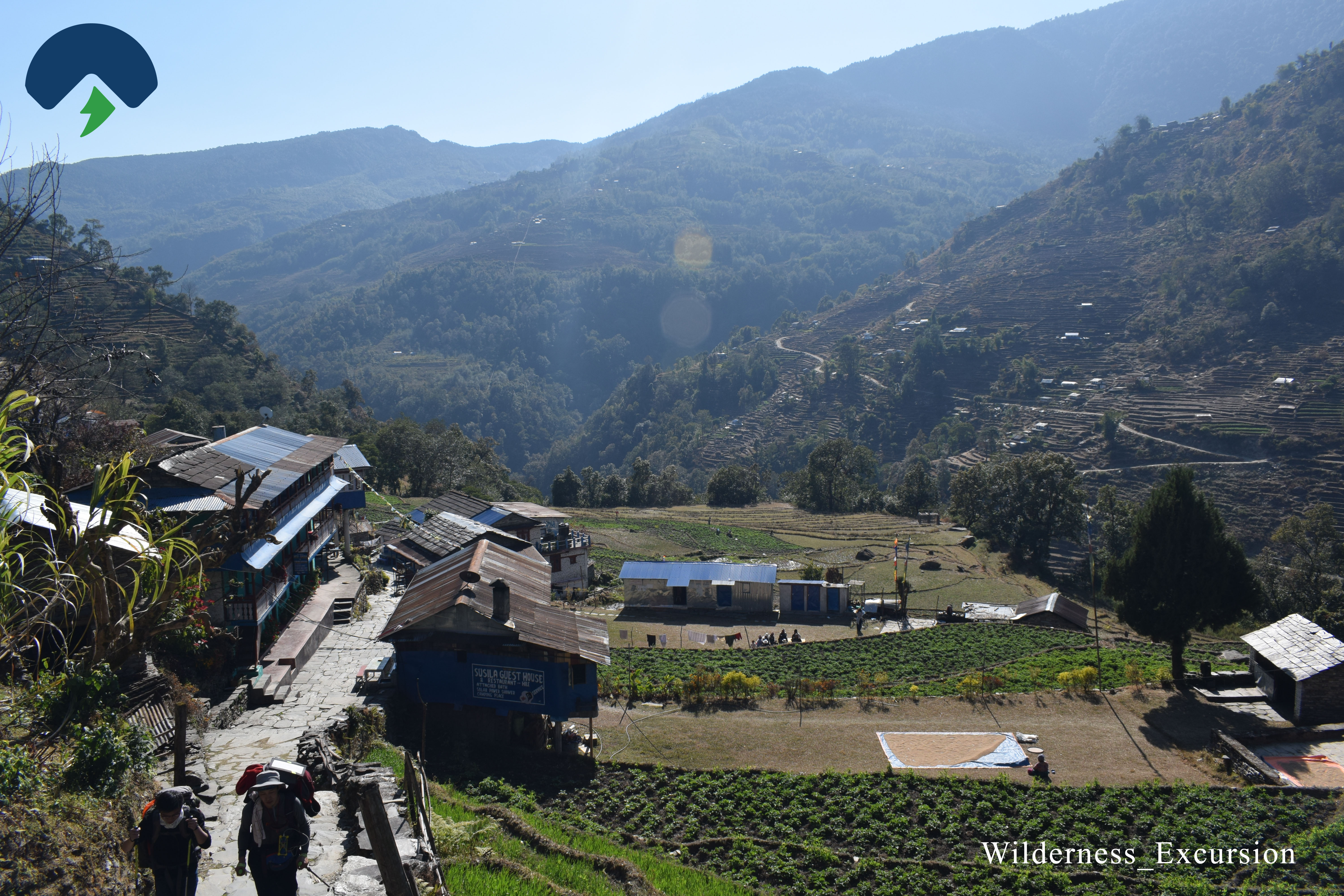
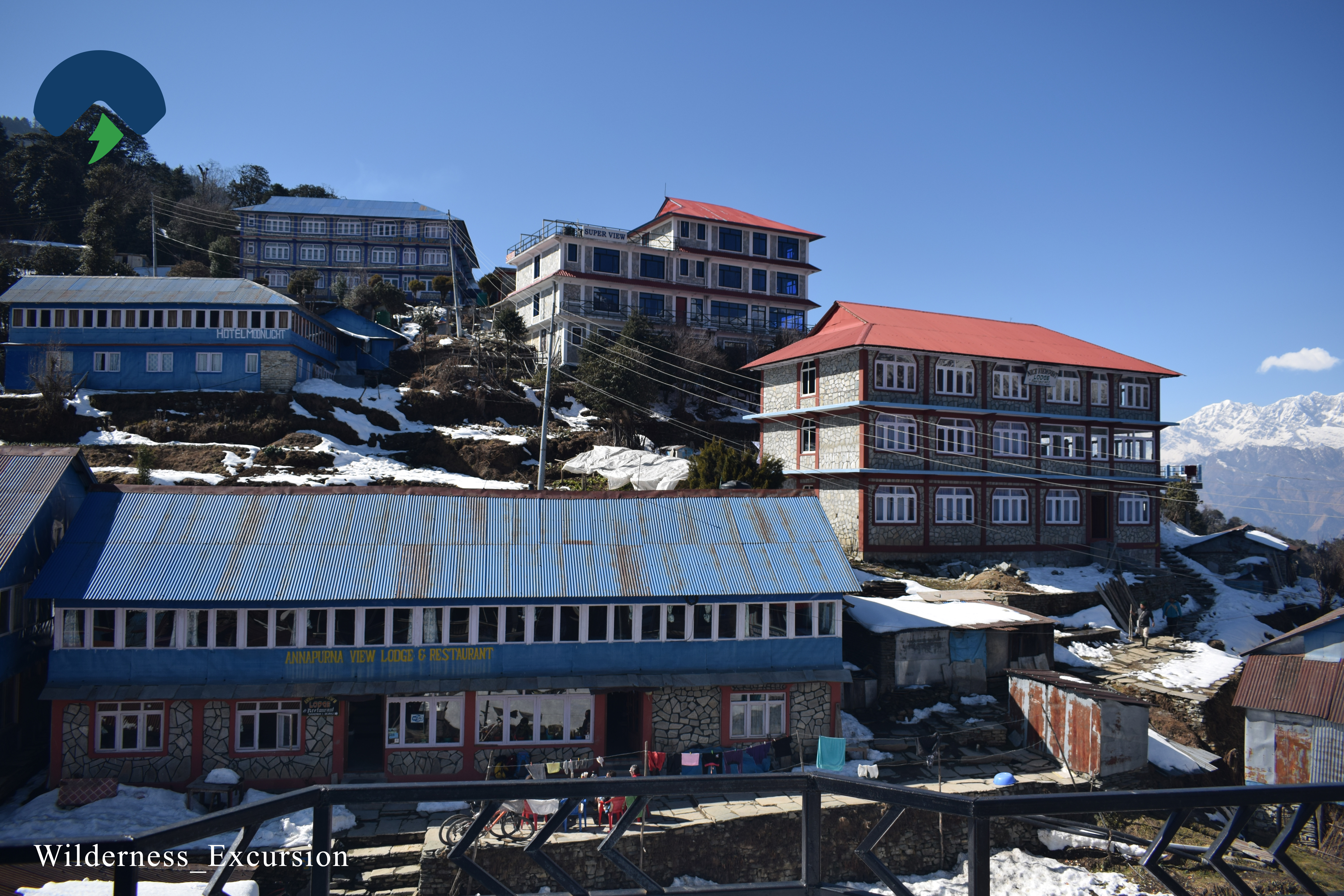
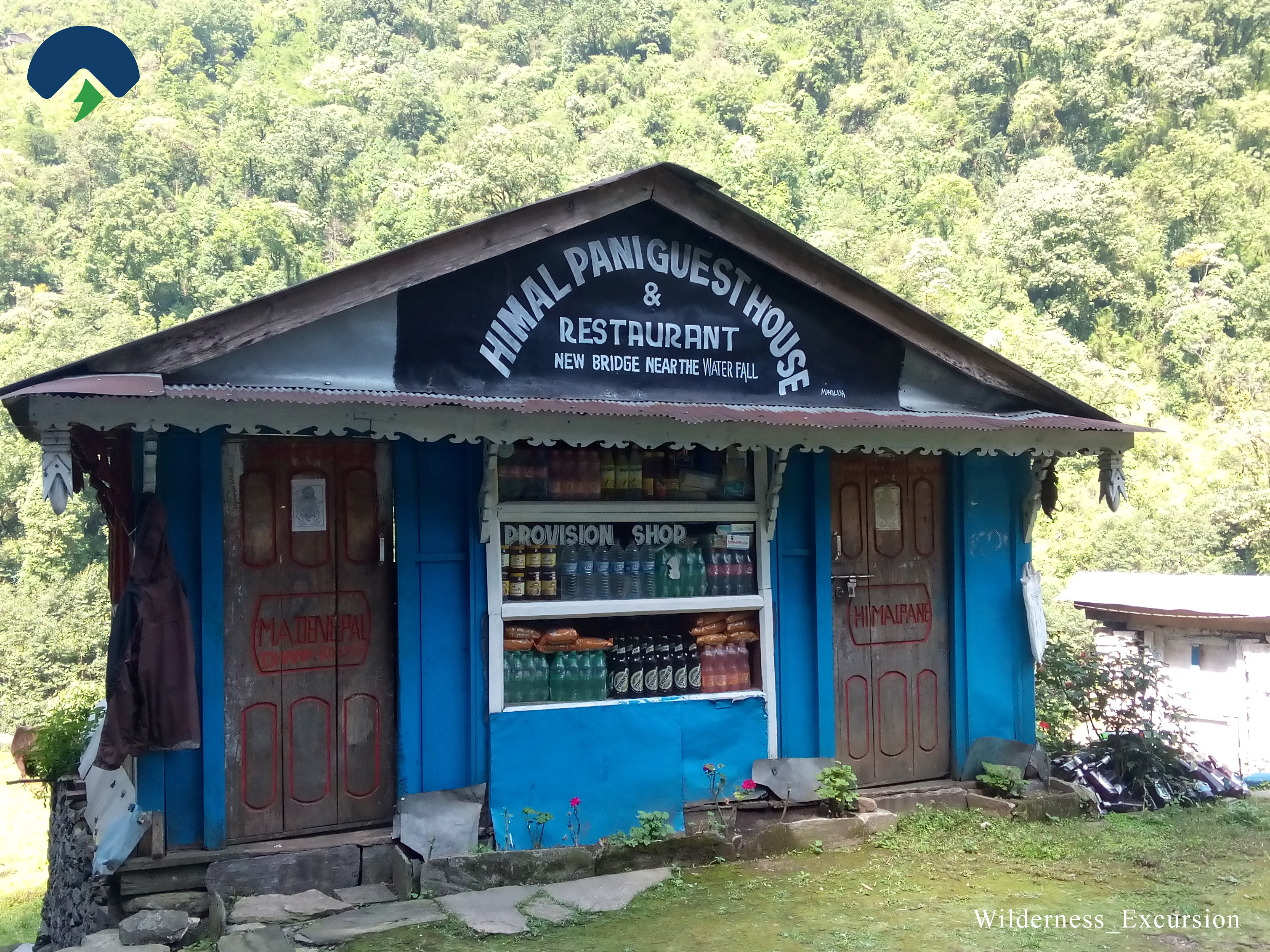
Hotels and lodges differ based on region and distance from the nearest town. Also, trek popularity determines the quality of facilities. For popular trekking destinations like Poon Hill and the Annapurna Base Camp, where thousands of people visit year-round, the lodges are fully capable of providing satisfactory facilities. Although the mountain lodges of base camp may seem pale in comparison to the well-established hotels of Chhomrong, Ulleri, and Ghodepani, the lodges are still capable of providing warm food and shelter.
The mountain lodges and teahouses have a standard unspoken etiquette of facilitating two trekkers per room and a variety of foods and drinks from breakfast to dinner. Let’s have a breakdown of the quality of facilities.
Accommodation
- 1 room for 2 trekkers with two beds.
- Attached bathroom in the lower regions.
- Double quilts and blankets. (sleeping bag is recommended.)
- Separate dining hall with built-in traditional heater.
- Warm shower in the valleys.
Foods
- Breakfast set and a variety of warm food for lunch and dinner.
- Different kinds of mountain teas and hard drinks. (Hard drinks are not recommended at high altitudes.)
Common menu items in lodges of Annapurna and Poon Hill
|
Menus
|
Items
|
|
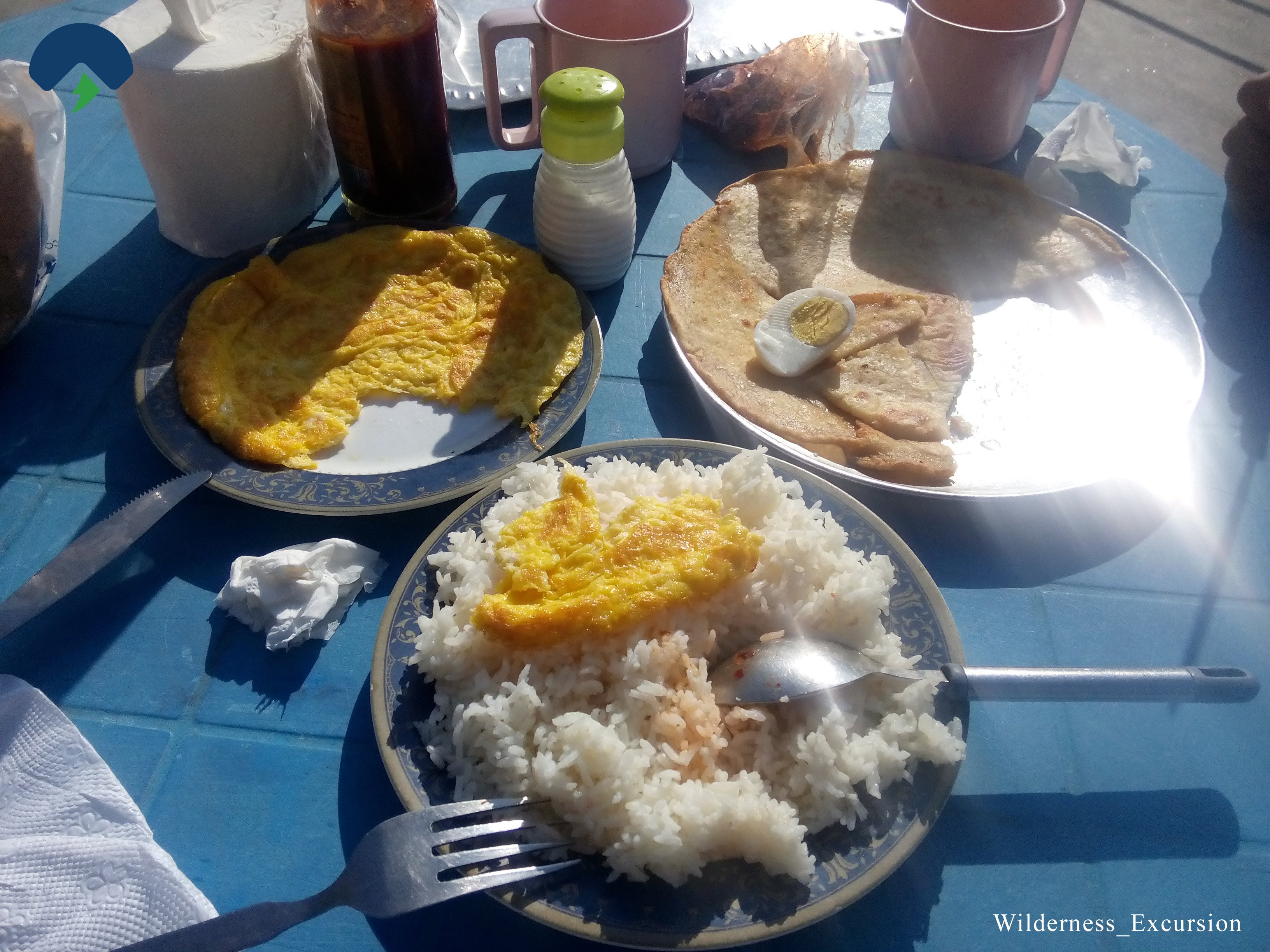
Breakfast sets
|
Tibetan Bread / Chapati with Honey / Jam, Fried potatoes, sandwiches, White bread with Jam / Honey, vegetable soups, Muesli
|
|
Lunch Sets
|
Nepali Khana Set: Veg Spring rolls, Momo, Fried Noodles, Soups, thukpa
|
|
Dinner Sets
|
Same as Lunch
|
|
Drinks
|
Black tea, Black coffee, Tibetan tea, Hot Chocolate, Hot milk, Hot lemon, Lemon tea
|
ATMs, banks, and Money exchange on the trail
Sadly, there are nearly no ATMs, banks, or money exchange stations on the trail. We recommend every trekker exchange for local currency, Nepali Rupees, during your stay in Kathmandu or Pokhara. If you have a direct flight from Kathmandu to Pokhara after landing or an immediate trek departure from Pokhara, both international airports have currency exchange booths. Separate at least 1000-1500 Nepali rupees per day for additional personal expenses, which is equivalent to 8-13 USD.
Hot showers, charging and mobile networks
The facility of hot showers, charging, and potential mobile networks has two phases. During your trek around Ghorepani, most lodges provide hot showers, possible free Wi-Fi, and have stable electricity connectivity. Mobile networks also work stably unless you’re inside a dense forest near rivers, but on high ground, there are mobile networks, to the point where you can use data services even on Poon Hill at an altitude of 3200 meters.
Once you cross Ghorepani, starting from Tadapani, the trail gets rougher and more remote, where hot showers might be possible at limited lodges with extra charges for both showers and Wi-Fi connectivity. Although Chhomrong has relatively more developed lodges, it is nearly impossible to get mobile networks, and charging may even cost you extra for each device on the Annapurna trail. The government is planning on expanding the infrastructure, but development is seen as slow due to limited resources and transportation difficulties.
Annapurna Base Camp with Poon Hill packing tips
Proper preparation and packing are essential for treks like Base Camp because conditions change quickly with altitude, weather, and terrain. Packing the right gear keeps you warm, dry, and comfortable, while proper preparation helps your body adjust to long hours of walking and high elevations. Being well-prepared also reduces the risk of altitude sickness, injuries, and exhaustion, making the journey more enjoyable and safer. Smart packing ensures you carry only what’s necessary, helping you conserve energy throughout the trek.
Annapurna Base Camp Hike Packing Tips
- Warm layers for high altitude
- Lightweight 40–50 L backpack
- Quick-dry trekking clothes
- Rain jacket or poncho
- Sun protection essentials
- Personal toiletries and wipes
- Basic first-aid kit
- Reusable water bottle and purifier
- Headlamp and trekking poles
Permits and entry are required for the Annapurna and Poon Hill treks.
Both Annapurna Base Camp and Poon Hill treks fall under the Annapurna Conservation Area Project. Trekkers are legally required to obtain conservation permits from the authorised bodies and mention the trekking area for clarity. The conservation permits are monitored by the NTNC (National Trust for Nature’s Conservation) and are distributed by the Nepal Tourism Board. There are two options for obtaining the conservation permits: online application and physical application. NTB now supports online application, where trekkers can independently apply for the conservation permits and get the permits ASAP without any need to visit the official location.
Aside from conservation permits, trekkers are also required to obtain TIMs (Trekker’s Information Management System) from the Nepal Tourism Board, and in the 2023 press conference, it was legally mentioned that, to obtain a TIMs card, trekkers should hire a guide from an authorised agency and apply for the permit from government-authorised agencies only.
How does one apply for the conservation permits?
NTNC currently supports both online and counter applications. To get a physical permit and application form, visit the NTNC office in the Nepal Tourism Board, Bhrikutimandap, and fill out the application form and make a direct payment. For online permits, follow the procedures given by the NTB thoroughly.
Entry fee and payment options for the conservation permits
- For an online permit, follow the procedures given above and fill out the application form.
- Two payment options are available: Online Payment and Counter Payment.
- The entry fee is NRs. 3,000 for foreigners, NRs. 1,000 for SAARC nationals, and NRs. 100 for Nepalis.
- If you choose Online Payment, you will receive your permit directly by email after successful payment. (Visiting the counter is not required).
- For Counter Payment, you must visit the EP Counter and pay the permit fee in cash. A passport or valid identification is required for obtaining the permit.
- For Online Payment, an additional 2.9% payment charge will apply
- Double fees will be charged for permits issued at Check-Posts.
Source: (NTNC, 2026)
Permit fees structure for the Annapurna Conservation permit
|
SN.
|
National Parks/Wildlife Reserves/Conservation Areas
|
Nepali
|
SAARC
|
Foreigners
|
Child discount
|
|
1
|
Annapurna Conservation Area
|
NRs. 100 per person per entry
|
NRs. 1,000 per person per entry
|
NRs. 3,000 per person per entry
|
Below 10 yrs free
|
Source: (Board, 2026)
Arrival and pick up in Kathmandu, Nepal
If you have a pickup service when booking with us, we will connect with you for your departure time and ETA at Tribhuvan Airport for a smooth experience. Transportation will depend on the size of the group; for private or small families, a car or jeep will be arranged, and for large groups, a coaster bus will be arranged from the airport to the hotel.
Pick up from the airport
Our teams will keep track of your ETA, and a staff member or your designated trek guide will be at the waiting area with our agency board. A short greeting will be held, and you will be transported to your hotel.
If you have a connecting flight from TIA to Pokhara International Airport and still have airport pick-up services, our staff in Pokhara will still follow the standard procedure and take you to your hotel.
Wilderness Excursion: Safety and emergency response
Our foremost priority during the trek is your safety and well-being. Our trek guides are trained and informed for daily monitoring of your health and report back. If there are any slight complications to your health, we will do our best to assist you during the difficulties.
Daily monitoring: Our trek guides are informed to ask about your health during a difficult hike and acclimatisation process. Sometimes small, minor symptoms can be dangerous, so we also request you to be honest with our trek guides.
Built-in Acclimatisation: Our standard itinerary given on the website is carefully planned for better acclimatisation, and any changes or personal requirements will also be made while considering altitude changes.
Evacuation: If the trekker is unable to continue any further and has sustained a major injury that requires an immediate health checkup, with a green signal from the guide, an emergency heli-rescue will be sent to your location and you will be transported to the hospital or Pokhara.
Guide training: All licensed trek guides are trained at a government-appointed training centre, NATHM. They are trained for emergencies and personal aid, but guides are not authorised to prescribe any drugs. They are trained for minimising the casualty as much as possible.
Personal first-aid kit: Wilderness Excursion does not provide any personal first-aid kits to each individual. Trekkers are responsible for carrying basic medicines and medical equipment. Our guides are trained to carry emergency supplies, and we advise trekkers to do so as well. If you have any personal medications, kindly consult with your physician.
Turning back policy: If such a situation arises where you’re not able to trek any further due to health difficulties. Depending on the situation, the trek will probably turn back from that point. If the problem is from altitude, an extra rest will be taken for mild symptoms, or we will descend to a lower altitude, but if the symptoms persist, we will sadly have to turn back. The refund after turning back will follow our standard booking terms and conditions.