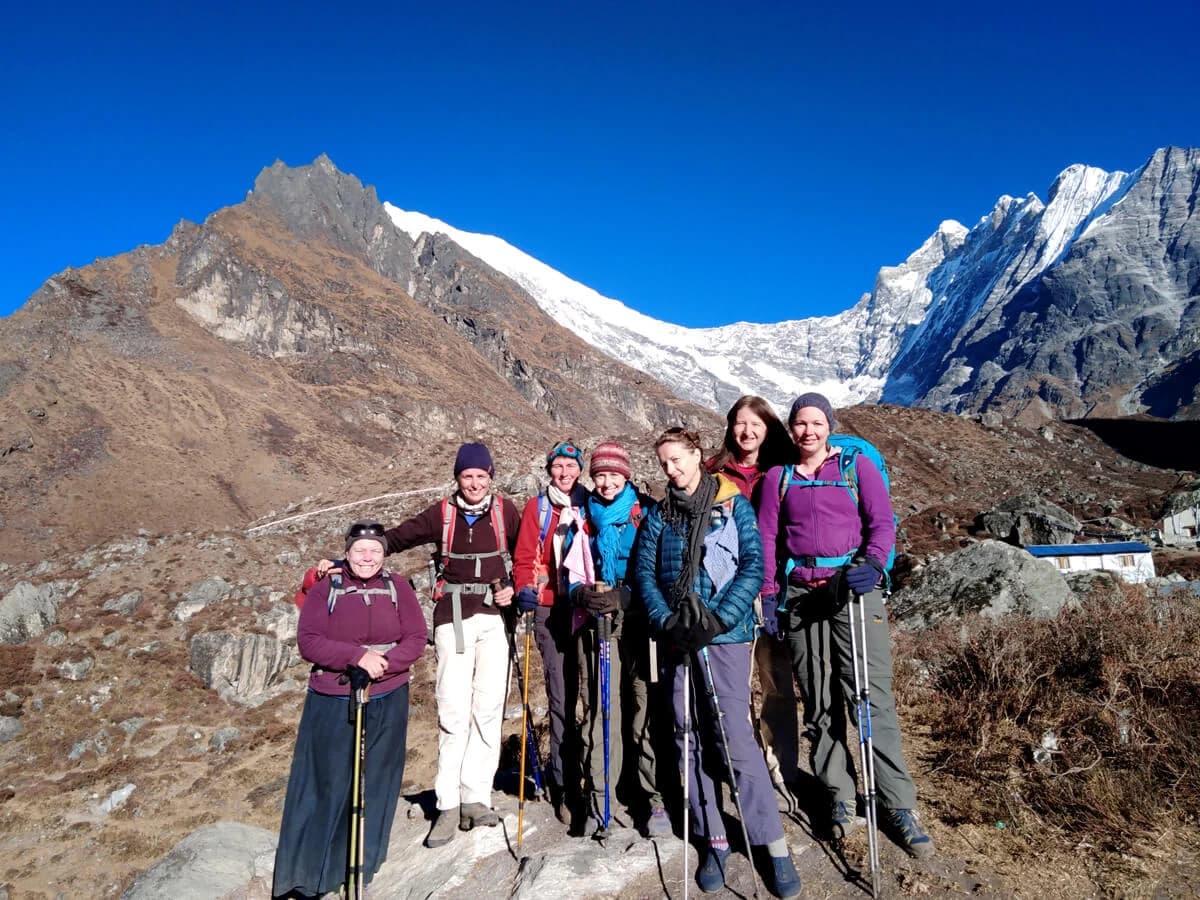
The Langtang Valley Trek 8-day package page thoroughly explains what the package contains and what benefits you get when booking with Wilderness Excursion. The page contains visual images of Langtang and brief itineraries for what you’re buying. If you are looking for guided information, you can read our blog, Langtang Trek detailed guide, which covers every topic for independent trekking.
Last Updated: 08/10/2026


Langtang Valley Trek - 8 Days
Duration
8 Days
Trip Grade
Medium Hard
Maximum Altitude
4985 Meters
Group Size
Min 2 People
Activities
Trekking
Starts
Kathmandu
Ends
Kathmandu
Best Time
March-June, September-November
Photos
Prelude to Langtang Trek: A brief overview.
The Langtang Valley Trek is one of the shortest and most accessible trekking routes near Kathmandu, reaching a maximum altitude of 4,770 meters. Located in northern Nepal, within Langtang National Park in Rasuwa District, this trek offers a rewarding Himalayan experience in a relatively short time.
The trail passes through a unique blend of ecosystems, where each stage of acclimatisation reveals noticeable changes in vegetation—from lush green forests to alpine landscapes. The Valley is rich in biodiversity and home to rare and beautiful wildlife, including red pandas, Himalayan tahr, musk deer, langurs, and a variety of bird species. This natural diversity makes the trek especially appealing to nature lovers and wildlife enthusiasts.
Walking through quiet mountain villages where life moves at its own pace, the Langtang Valley Trek offers a close and personal experience of the Himalayas just north of Kathmandu. This journey follows forested trails, glacial rivers, and high alpine landscapes to Kyanjin Gompa, combining natural beauty with the rich culture of the Tamang community.
Between you and me, Langtang Valley is the only trek that is renowned for its astonishing views, with fewer crowds and more local adventure.
Is the 8-day Langtang Trek right for you?
Before moving to booking and payment, you might want to know whether this trek is right for you. Of course, since you’re looking for the Langtang Valley Trek, you might already know that Langtang is a cultural trek, easily accessible from Kathmandu, and a beginner's trek.
Although it is a beginner trek, Langtang does have multiple route options for professionals as well, linking the Langtang Trail with Gosaikunda or the Tamang Heritage Trails. But the traditional Langtang Valley Trek also requires professionalism since the itinerary also covers a hike to Kyanjin Ri or Tsergo Ri; both are prominent short hiking peaks from Kyanjin Gompa.
Now, to know if the 8-day Langtang Trek is right for you, first you might want to know what you want to experience. Obviously, you can’t experience the thrill of the Mardi Himal Trek in Langtang Valley, since it is in a different trekking region. Langtang Valley is a moderate-difficulty trek that offers both professional and beginner trekking experiences. Although the trails mostly are on river valleys, they gradually transition to alpine ridges, showcasing the natural beauty of Langtang.
Langtang is protected by Langtang National Park, so you see more animal activity along the route. In short, the trek is known for beginners and professionals and offers dynamic trails, scenic views, and cultural and religious experiences. But if you find the 8-day package too long, you can check out our 7-day Langtang trek, but only if you’re confident in your ability, since a day short can also have a huge impact on overall hiking abilities.
What are the highlights of the Langtang Valley Trek?
- Tamang villages with strong Tibetan Buddhist culture and traditional Himalayan mountain lifestyle.
- Ancient Buddhist traditions preserved near the Tibetan border.
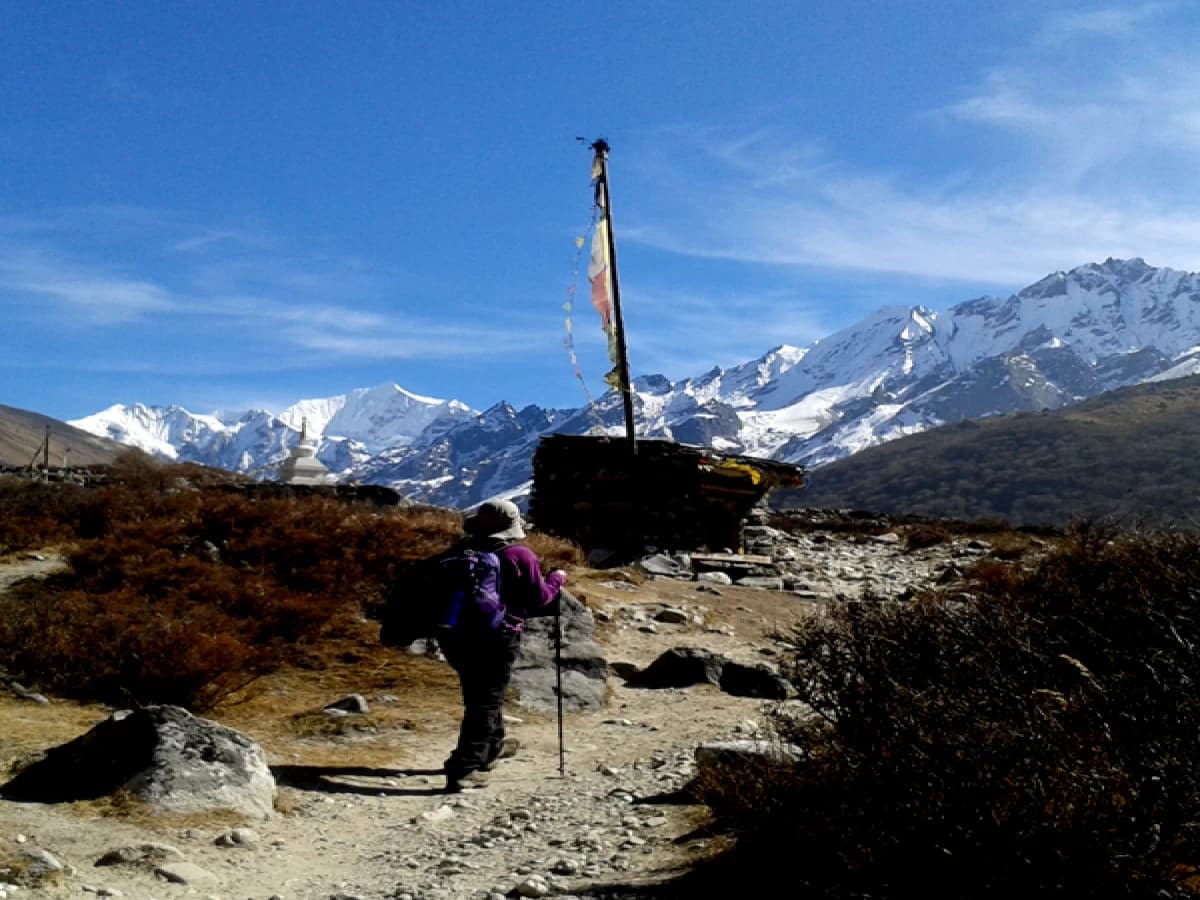
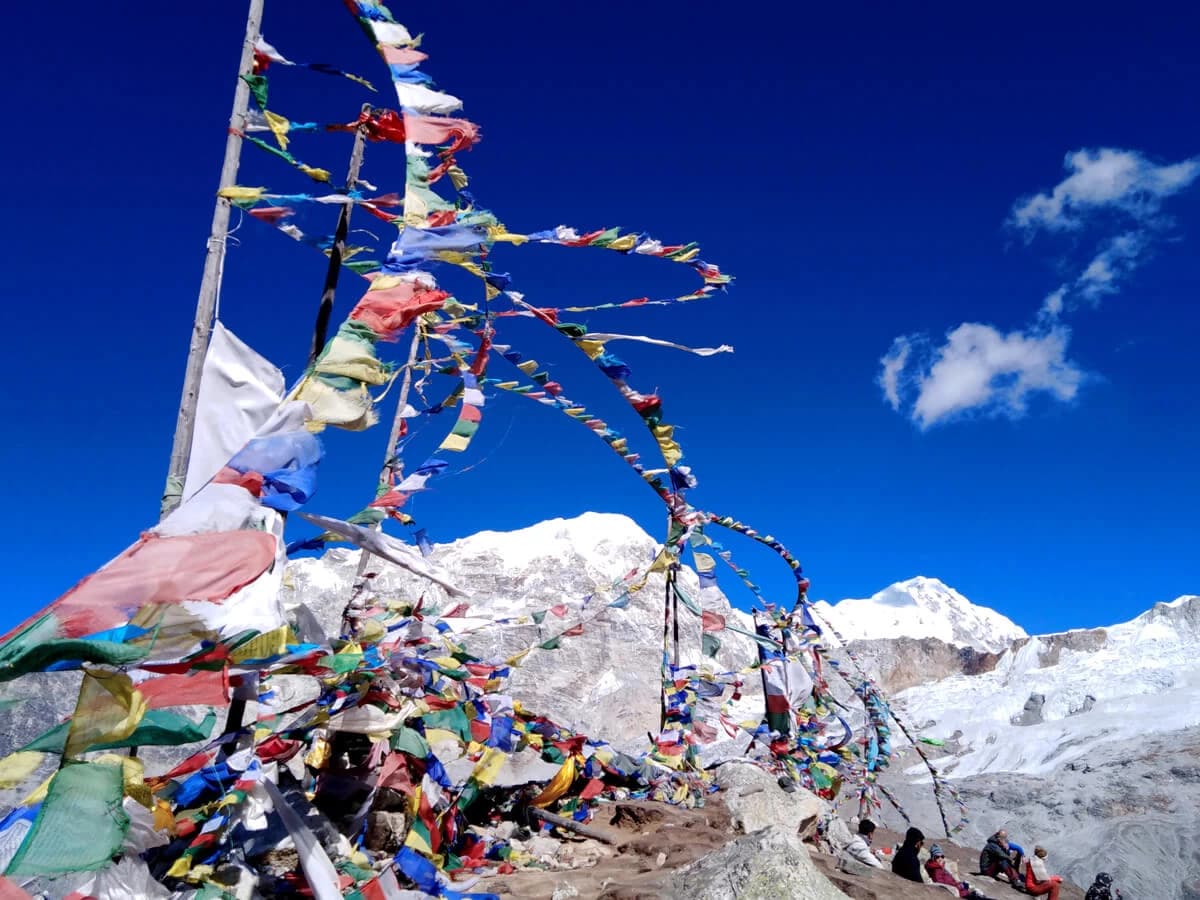
- Spiritual atmosphere with monasteries, prayer flags, mani walls, and prayer wheels.
- Visit to the historic Kyanjin Gompa monastery surrounded by Himalayan peaks.
- Traditional mountain festivals and indigenous Tamang cultural practices.
- Rich Buddhist heritage reflected in local architecture, rituals, and daily life.
- Protected landscapes inside Langtang National Park, established in 1976.
- Diverse Himalayan scenery ranging from green forests to rocky alpine valleys and glaciers.
- Dense rhododendron, pine, bamboo, and alpine forests throughout the trail.
- One of Nepal’s important habitats for the rare Red Panda.
- Remote alpine regions inhabited by the elusive snow leopard.
- Wildlife sightings may include Himalayan Tahr, musk deer, ghoral, and Himalayan black bears.
- Frequent sightings of langur monkeys and diverse Himalayan bird species.
- Beautiful glacier valleys, alpine rivers, waterfalls, yak pastures, and snow-covered peaks.
- Less commercialised trekking experience with peaceful nature trails and authentic mountain settlements.
Why book the Langtang Valley Trek with Wilderness Excursion?
- We handle all required Langtang Valley Trek permits and TIMS registration, making your trek preparation smooth and stress-free.
- We are also an authorised, trusted, and well-documented trekking agency associated with TAAN, NMA, Tripadvisor, and NTB. You can find the respective legal documents in the agency profile.
- Our experienced local trekking guides are familiar with Langtang’s mountain trails, weather conditions, and Himalayan terrain.
- All accommodation, meals, and transportation are arranged in advance for a comfortable and well-organised trekking experience.
- No need to manage complicated planning or logistics—we take care of every detail so you can fully enjoy the Langtang Valley journey.
- Our itinerary includes proper acclimatisation and gradual altitude gain, helping ensure a safer and more enjoyable high-altitude trek.
- Our guides help you connect with local Tamang communities, Buddhist traditions, and the Himalayan village lifestyle throughout the trek.
- All of our guides and porters are insured, trained, and properly equipped for trekking in remote mountain regions.
- We manage all required national park permits and official paperwork needed for trekking in the Langtang region.
- With our reliable porter support, you can trek comfortably without carrying heavy backpacks during the journey.
- Our experienced team shares deeper insights into Buddhist culture, local traditions, monasteries, and Himalayan life along the trail.
- Trek through the protected landscapes of Langtang National Park with the support of a professional and safety-focused local team.
- Wilderness Excursion also provides a special free-of-cost policy under specific conditions, offering additional flexibility and value for trekkers.
- We also specialise and arrange bookings for single travellers as well and arrange or include your trip with other bookings if you require it and the other party also accepts it.
Special benefits and tiered discounts when booking with Wilderness Excursion?
We offer various package levels that have their own hidden perks. From simple discounts on group bookings to tiered benefits of complimentary services and FOC (Free of Cost) benefits. You do not have to pay any additional sub-charges or buy other special products of ours to qualify for the mentioned benefits. Now, what are these benefits, and how do you qualify for them?
The tiered benefits of complimentary services and FOC are something that is provided to a level of booking, or when you reach a certain number of trekkers booking in a group at once. It's simple as that: the more trekkers you have, and the larger the group is, the more benefits you enjoy and the more you’re qualified for.
But it doesn’t mean a private booking for 1-3 pax won’t have fairness; of course, a private booking with us has its pros. For instance, a private booking will have more versatile or flexible bookings and itineraries, which is important in fast and crucial decision-making. Can freely extend your itinerary and coordinate with your assigned main guide properly.
Group discount price and benefits
|
No. of Travellers |
Price per person |
Discounts |
Tiered benefits |
|
1 Pax |
USD 535 |
N/A |
Complimentary services: teas and fresh fruits |
|
2-3 Pax |
USD 485 |
USD 50 |
Complimentary services: teas and fresh fruits, discounts |
|
4-6 Pax |
USD 465 |
USD 70 |
Complimentary services: teas and fresh fruits, discounts |
|
7-12 Pax |
USD 435 |
USD100 |
Complimentary services: teas and fresh fruits, discounts, FOC benefits |
FOC (Free of Cost) benefits:
Our FOC benefits require a different qualification from the progressive discounts. But it is also simple and doesn’t require additional service purchases. The FOC benefits also have two tiers to it:
- Small group from 7-9 Pax: A small group booking from 7 to 10 travellers in a group can get a massive 50% discount, but of course not on the total booking cost. The 50% discount is given to the trek leader of the respective group, meaning a single leader of the group gets 50% off the per-person price.
- Large group above 10: Starting from the group booking above 10 travellers in a group, the respective trek leader of the group gets a free booking. Meaning, the leader gets 100% off the per-person cost of a trekking package.
How to book your Langtang Valley trek with Wilderness Excursion?
Booking your Langtang Valley trip with us is simple; our package on the website already supports booking and payment options. These payments are safe, and you will receive a receipt for your advance payment. We require some personal information and legal documents for each trekker for the registration and booking completion process. Although not every document is required at once, it should be provided before the date of departure. We will also notify you about the legal documents we need and why. We currently accept both online and physical bookings, where you visit our agency at our registered location. Booking procedures are slightly different for online and physical visits.
Online booking using our booking panel:
The floating panel on the right-hand side, where group pricing is listed, is also a booking panel for your own customised booking. Click on the button, and it will redirect you to a booking page. Now follow the steps mentioned:
- After proper redirection, select your date and number of travellers. The price will automatically sum up for the number of travellers and notify you if there are any discount coupons on the selected date.
Note: Do not enter your travel date from your home country, but the date when you want to start your trek in Nepal. - Select any additional services you require that are not included in the cost, such as porters, private jeeps, and hotel bookings. If there aren’t any services you may require in the add-ons, you can enquire with us directly, and we will arrange it for you.
- Fill in the trek leader details in the lead traveler details; a single traveler's information is enough for booking.
- Proceed to payment and select the payment option.
- You can pay 15% of the total cost as an advance payment, and your booking will be confirmed. You can pay the rest after your flight is confirmed or when you arrive in Nepal.
- Once the payment goes through, do not close the screen or page immediately; wait till it redirects you again to the main page and notifies you about the payment.
Physical visit to our agency office
Visiting us physically is also possible. You can find our current address on Google Maps and visit us to confirm your booking or make a booking. If you have a booking, you can also pay the rest upfront in cash or by card.
What legal documents are required when booking?
Once the booking and flight are confirmed, we will require clean photos, your visa, and a passport copy of each trekker. Why? It is mainly required for legal documentation and obtaining your permits and any other documents
We will notify you about the documents and your trek departure date once the booking is confirmed.
How will your package trek proceed after the booking?
After the necessary advance payment is complete and the booking is successfully confirmed, we will arrange all the mentioned and needed documentation and logistics arrangements. We will also be in contact with you constantly and remind you about your booking with us before the departure date. Staying in contact is necessary if you have airport pick-up services with us.
Before the trek departure, we will email you about the booking and request the necessary legal documents like passport and Visa, which are required for legal documentation and obtaining respective permits.
If you have time, we can also arrange a meeting with an agency staff member; it is suggested to meet with your guides and operator before departing. Meeting at your hotel is also possible. During the meeting, we hand you an official receipt for your purchase of our service, an outline itinerary copy to check during the trek, and a brief about the package tour and trekking information, and introduce your assigned trekking guide. We will also inform you how your itinerary will proceed before departure, and our guide will also inform you about it during the trek.
Trip Gallery
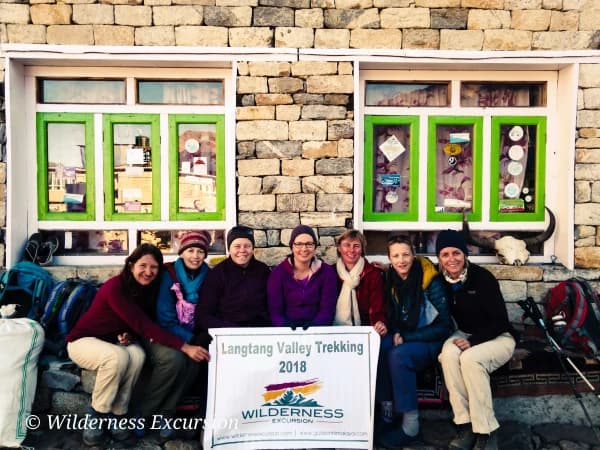
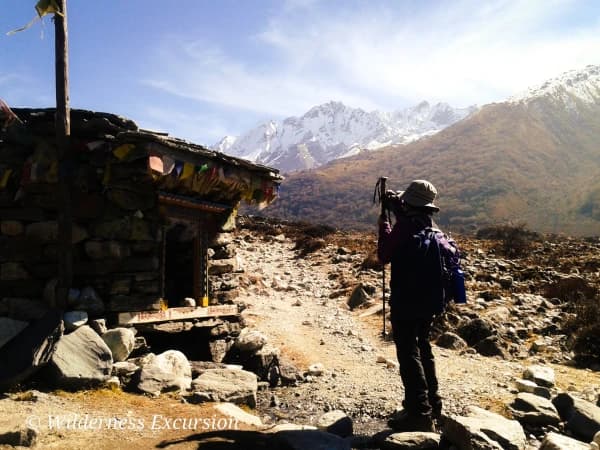
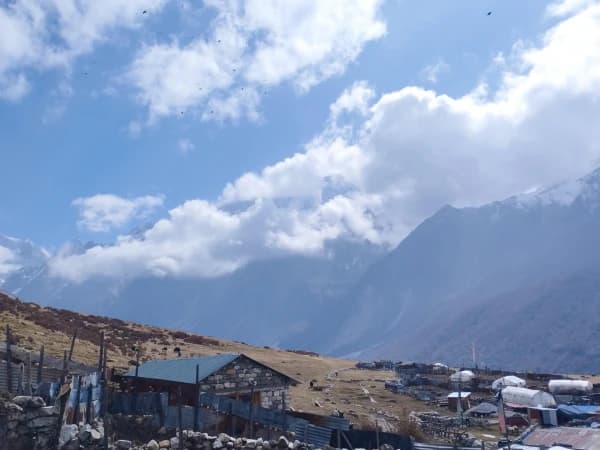
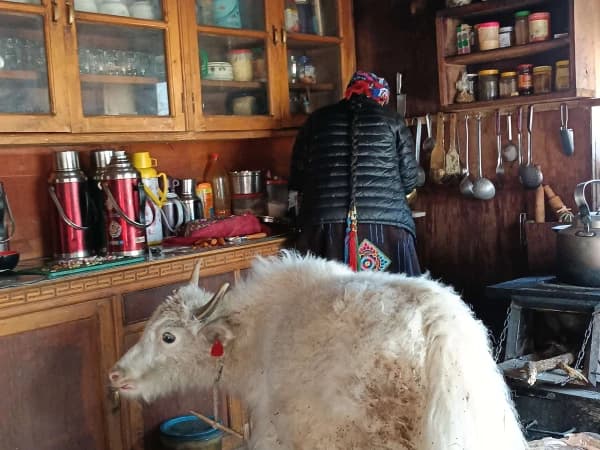
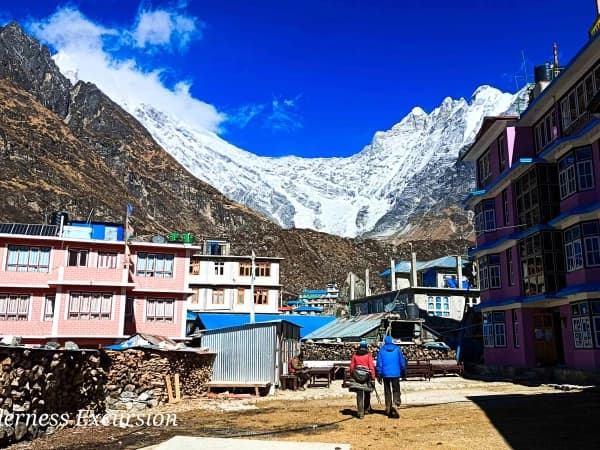
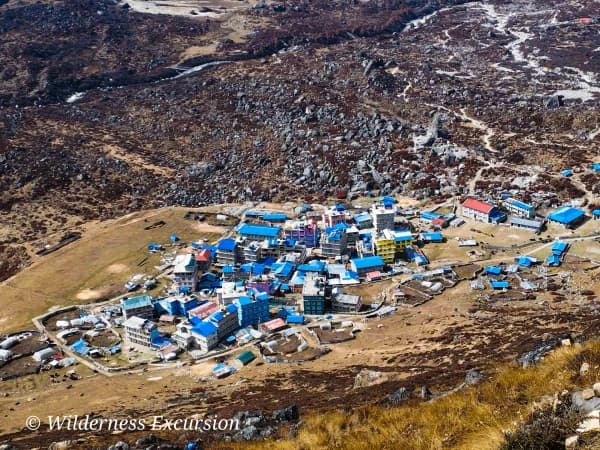
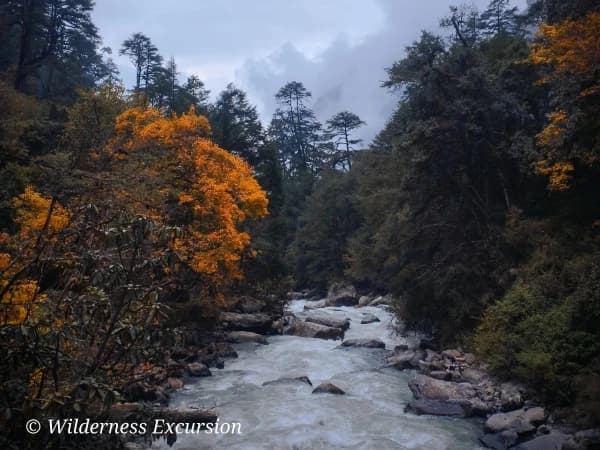
Itinerary
Expand allYour first day of the trek with us begins with a long, scenic drive along the Bidur-Trisuli Road and Pashang Lhamu Highway until you reach Syafrubesi, the starting point for the Langtang Valley Trek.
Your assigned trek guide will pick you up from your stay in Kathmandu. If you have a private transportation booking, a comfortable jeep will pick you up straight from your hotel and begin the long journey. For local transportation, our guide will still pick you up from the hotel; it is much better if the location is near Thamel or central Kathmandu. Take a cab to the bus station, and take an early bus at 7:00 AM to Syafrubesi.
Once the bus or jeep departs on time from Kathmandu, you will be spending the first day driving. Lunch will be provided at Trisuli Bazar, but you can also take tea breaks and short breaks during the whole ride if you have a private jeep. Local buses also stop for tea breaks, lunch breaks, and short stretch breaks.
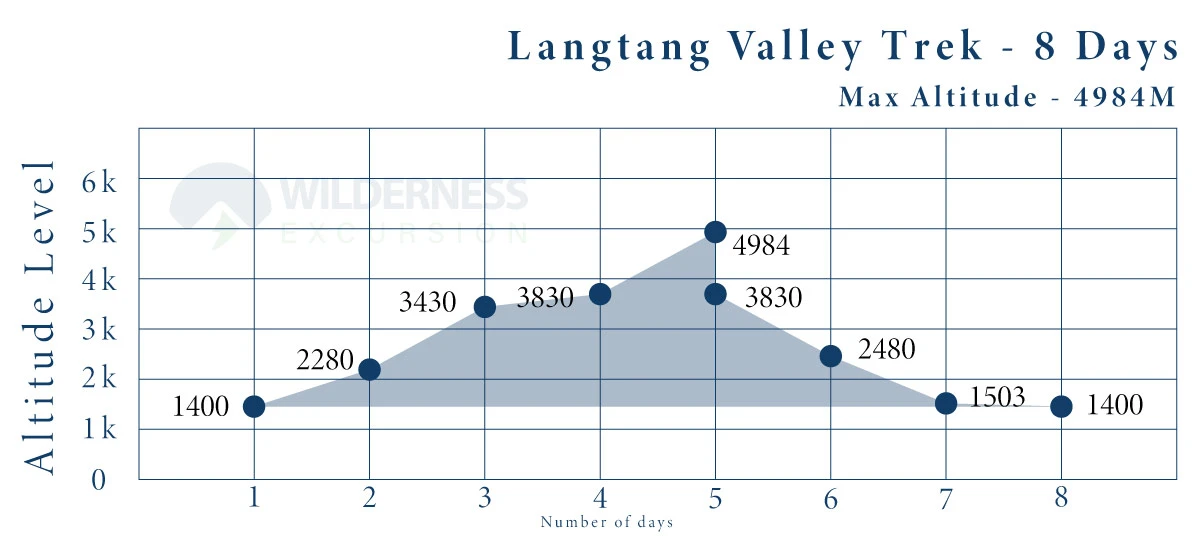
Overnight at Syafrubesi, 1503 meters
About Syafrubesi
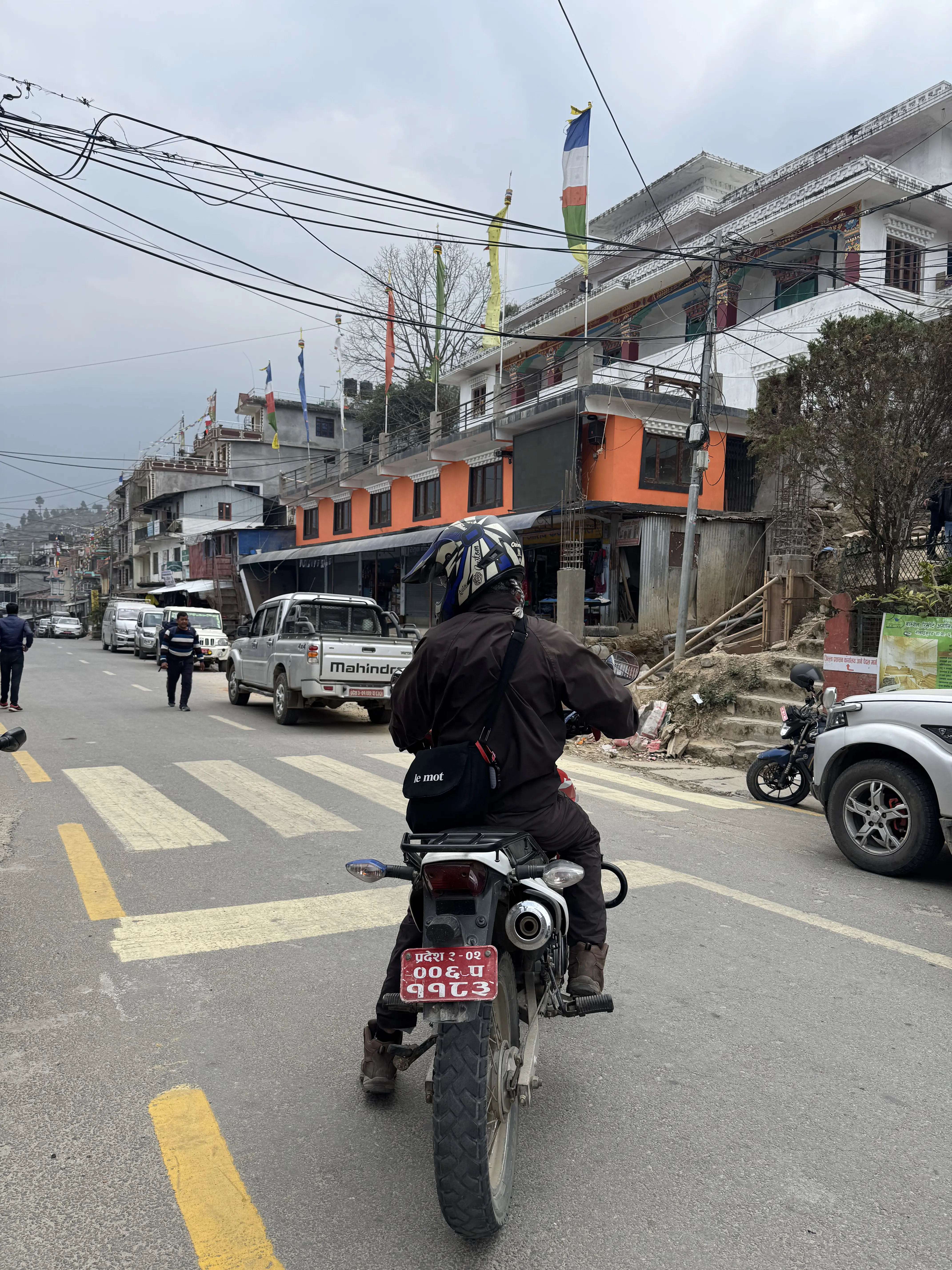
At an elevation of approximately 1700 meters above sea level, Syafrubesi is a small riverside town near the Tibet-Nepal border side of Rasuwa district. The town serves as a major starting point for the Langtang Valley Trek, Tamang heritage trails, and Ruby Valley Trek.
The main highlight of the place is the Buddha statue placed at a high elevation, from where you can see the whole town and the routes you possibly take the next day.
Now, your trek officially starts from Kathmandu, but the actual trekking starts from Syafrubesi, since you will spend your first day on a drive. Before starting the trek, breakfast will be provided at the same lodge where you will be staying, and orders are taken after the dinner to prepare faster. Since most lodges follow the same practices, your guide him/herself will take your order, which is also more convenient for you.
Breakfast will be served between 7 and 8 in the morning, or you can set a time, but it's much better to have breakfast before 8. After breakfast, you have to pack your bags yourself and also pack the porter bags, separate what you need, and start trekking with your guide. Today's lunch break will be in Khanjim.
Once you reach the lodge or teahouse for lunch, you can take a rest. Your guide will bring the menu, take your orders, and serve it once it is ready. After lunch, you again trek towards your destination, Sherpagaon.
In Sherpagaon, you can either take a walk around or have a nice tea break in the dining hall. Your trek guide will assign your room, so you don’t have to worry about booking lodges. Your extra luggage with porters will also be delivered to your room when you reach Sherpa Gaon.
Overnight at Sherpa Gaon, 2563 meters.
About Sherpa Gaon
At the hillside above Langtang Khola, Sherpa Gaon is a small settlement focused on commercial trekking. Influenced by the tourism industry, the village is mostly teahouses and lodges, not like a remote village that runs as a community, but a small settlement of lodges.
The village is between hills, so mountains are not visible, but the natural scenery of Langtang Khola flowing from the hills and the surrounding peaceful environment is calming and perfect for resting.
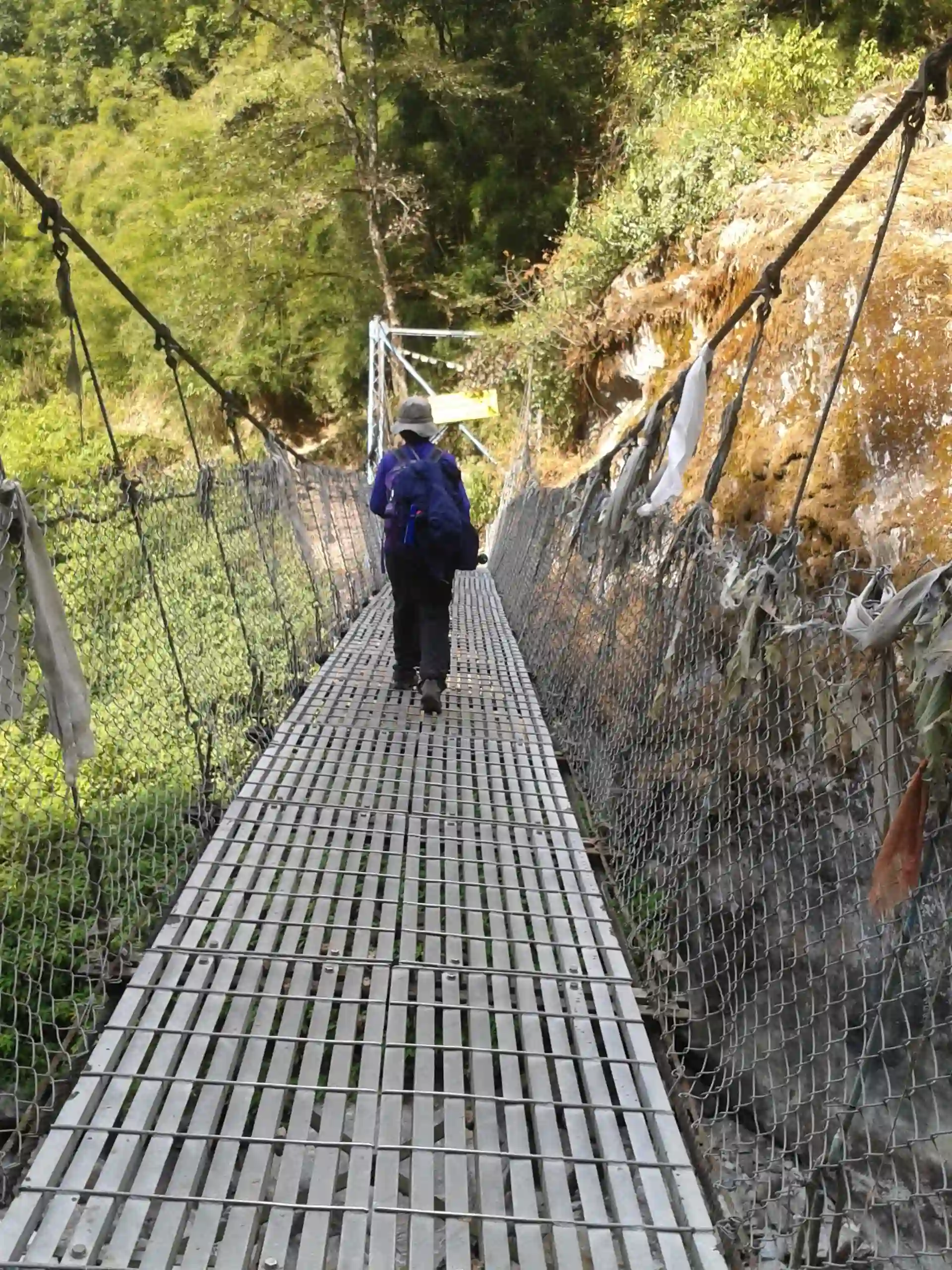
You might already be familiar with the trek procedures, like breakfast order. So, breakfast will again be served before 8. You must pack for the porters yourself, so it's better if you wake up around 6. When breakfast is ready, your assigned guide will inform you.
Have your breakfast calmly; no need to rush, and once you’re ready to start the day, your guide will lead you. From Sherpagaon, it's mostly downhill and along the rivers, so no need to stress. There is a small uphill before reaching the Thangsyap, and after the riverside, the rest of the trails are knee-friendly. Dinner will be served in Riverside or at Chunnama, depending on the trek pacing.
When you reach the teahouse at Riverside, you can take rest; your guide will bring the menu and take orders. When your order is ready, your guide will inform you and bring it over. So, you can take a rest and enjoy the scenery.
After lunch, you slowly start hiking to Thangsyap. You can also take short tea breaks along the trails and enjoy peaceful times; there is no need to rush. During such breaks, your guide will again take care of the ordering and serving.
At Ghodatabela, there is a small checkpoint for Langtang National Park; we request that you take a break and not hike ahead alone before entry, as it might complicate things. Once the entry is successful, you can hike towards Thangsyap with your guide.
Overnight in Thangsyap, 3140 meters.
About Thangsyap
Thangsyap is a trekking stop, a place with lodges made for trekkers’ ease. Since there are no villages between Sherpagaon and Langtang, places like Thangsyap, Riverside, and Lama Hotel serve as a resting point before trekking further. The place has a few lodges and teahouses, sitting at mid-hill. From Thangsyap, you can actualy do see a glimpse of the mountains and the Himalayan ecosystem.
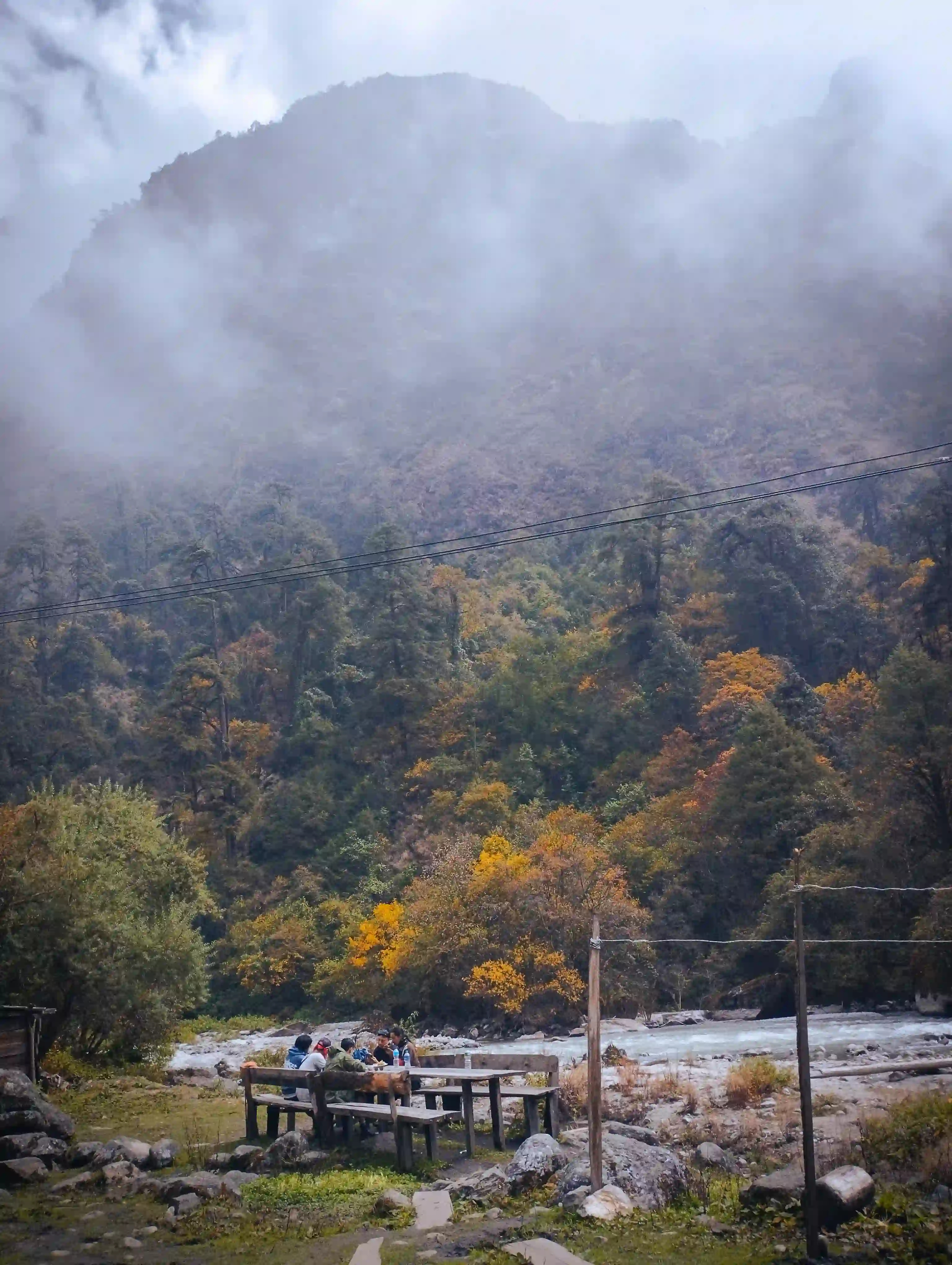
You might already be familiar with how breakfast will be served in the morning; as usual, your guide will take care of it for you, so you can have time to pack your bags and separate for the porter as well.
Today’s hike will begin after you’re ready. With guidance from your guide, the trek will maintain a gradual pace, trails goes along the hills, with scenic teahouses along the trail for small tea breaks.
Lunch will be provided at Langtang Village, a long way away, so always pack energy bars and quick snacks. Although Langtang Village was once destroyed by an earthquake, the remaining villagers are continuing to live beside the old village ruins. After lunch, you will continue to Kyanjin Gompa, which is approximately 2 hours of walking distance from Langtang Village.
Overnight at Kyanjin Gompa, 3870 meters.
About Kyanjin Gompa
Originally a pastureland, Kyanjin Gompa used to be a yak and sheep herding and ritual ground. After the establishment of Kyanjin Gompa in the said location and an increase in commercial trekking, the place now has tens of lodges and is an important resting place before hiking to Kyanjin Ri or Tsergo Ri.
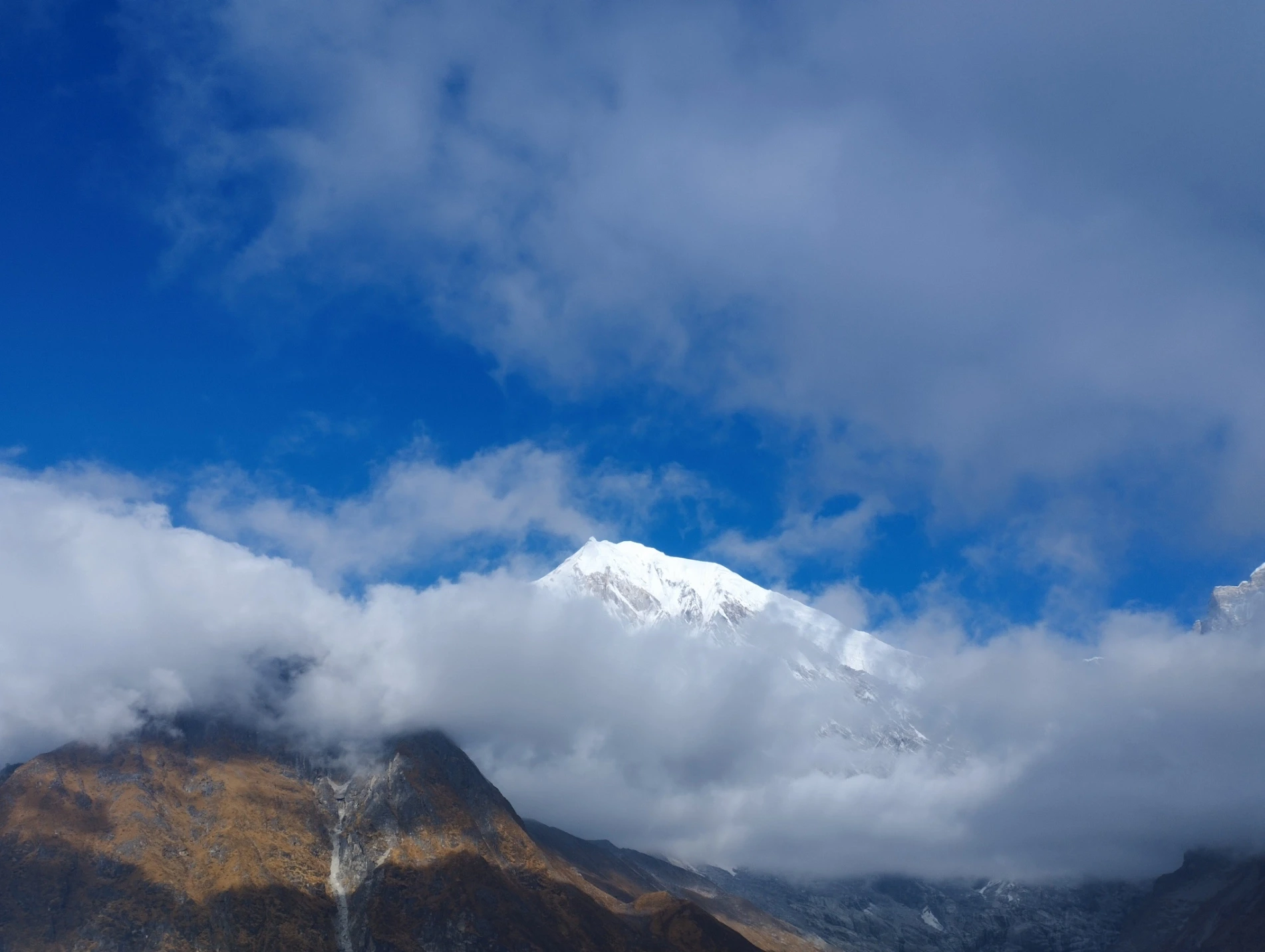
The fifth day of the trek is the most important and tiring day of the whole trek. You will probably have to wake up between 5 and 7, depending on your hiking ability and choice of scenery. Most trekkers hike early to catch the sunrise, hitting the mountains and getting a clear view of the Himalayas. From the altitude of 3830m, you will hike up to 4770m to Kyanjin Ri II and trek back to Langtang.
After hiking Kyanjin Ri, lunch will be at Kyanjin Gompa. Once everything is ready, you bid farewell to your dream and what you came for and trace back to Langtang. Overnight in Langtang.
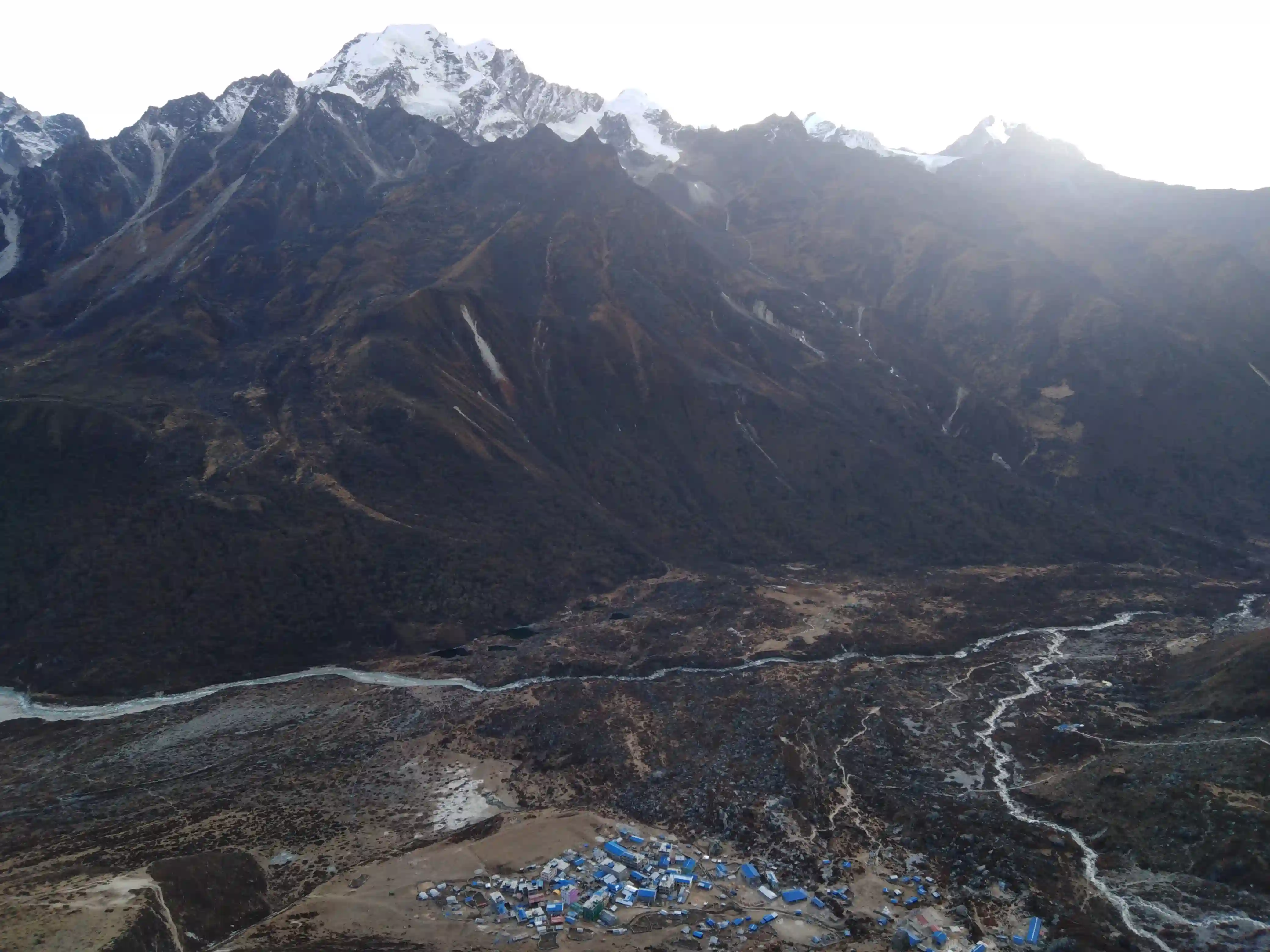
Now, most short treks do not always take round or circling trails but trace back the same trail, and it is the same for the Langtang Trek. Starting from Langtang Village, you retrace the same trails with your assigned guide still leading you.
Lunches are provided in the same place, Chunnama or riverside, or somewhere else, depending on the pace; if you want to eat somewhere early, it can be managed as well. With that, you will be spending the night at Lamahotel.
At Lamahotel, there are a lot of lodges, but the problem is that it also serves the camp for both trek starters and those ending it, so the place is really congested. The lodges are also not well-developed or focused on luxury comfort, so you may not find attached bathrooms and spacious dining halls. From Lama Hotel to Syafrubesi on the riverside trail, it's the same, so it can’t be avoided.
Overnight at Lamahotel, 2480 meters.
About Lamahotel
Lamahotel is the main junction for the Langtang trek; it's not a highlight like Langtang village but an important resting point for both those who are starting the trek from the river trails and those who are ending the trek. Geographically, it's located inside the rainforest and near the Langtang River, and is always packed with trekkers
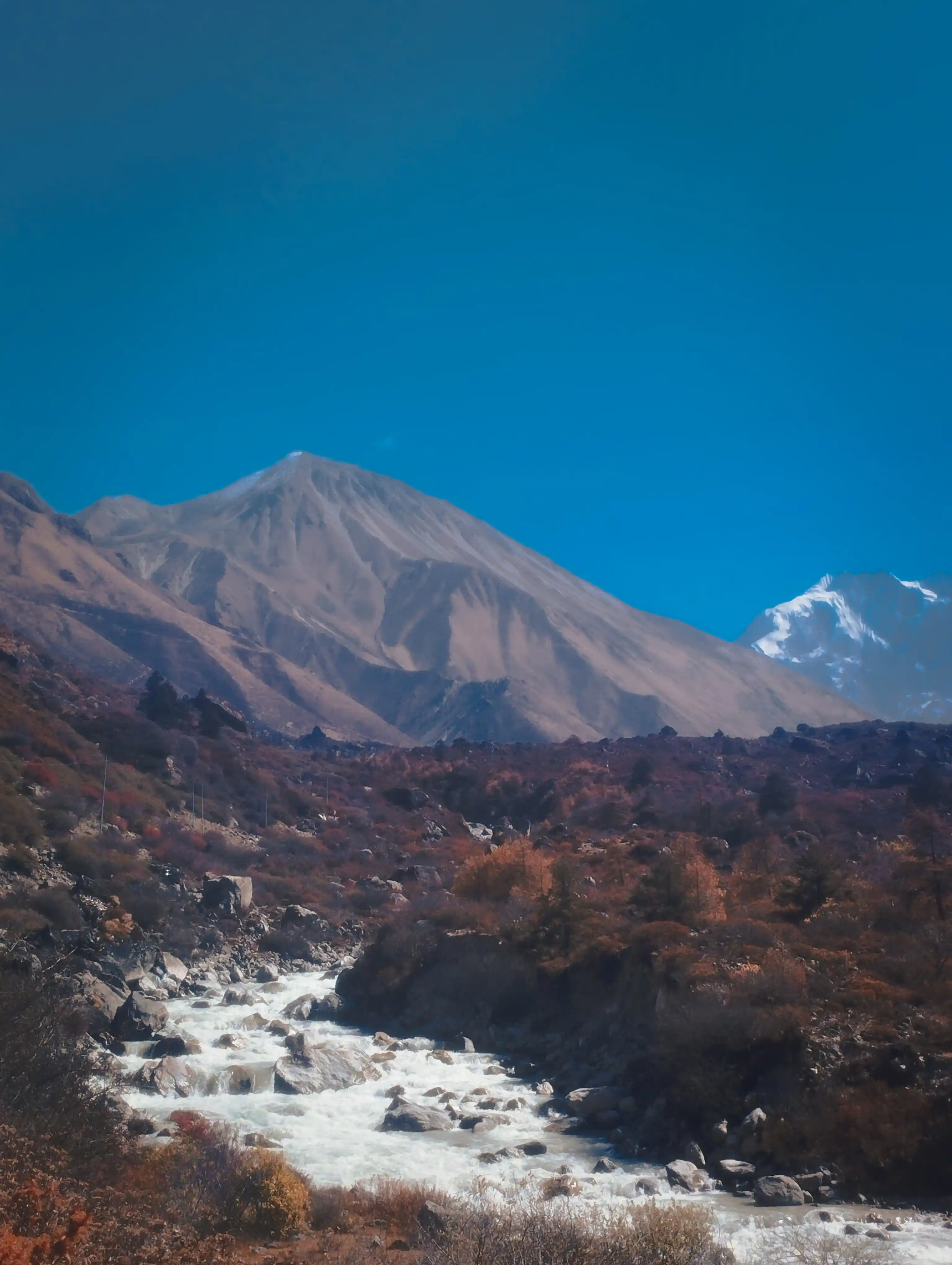
It’s the last day of the trek, not by the itinerary, but the last day you will be walking for hours. With a quick breakfast at Lamahotel, you will start the trek from a different route. On day two, you will reach Lamahotel after a downhill near Rimche, but this time you will take a detour at Rimche and keep on continuing downhill along the river. This trail makes it much easier and more interesting than retracing the trail via Khanjim.
Lunch will be provided at Bamboo or Pahiro, from where you will continue along the river until you reach Syafrubesi. As usual you room will already be booked and ready for check-in. As it is the last day you will be spending with your guides and porters, you can enjoy the last dinner with them together, if you feel like it.
Overnight at Syafrubesi, 1503 meters.
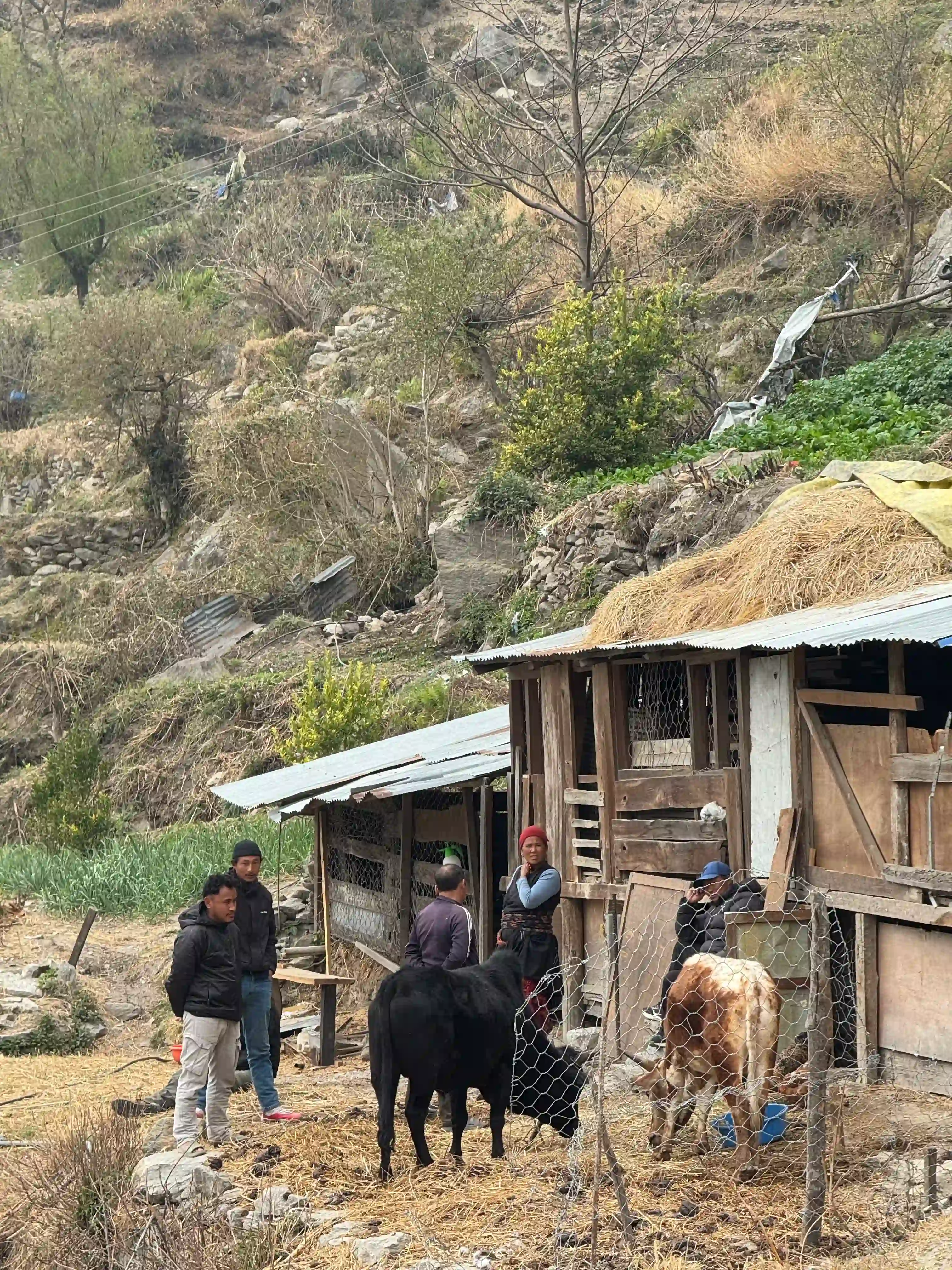
For today, you can have breakfast at your own time, but not too late, and pack everything you have. Breakfast will still be provided at the same lodge, and if you have a private jeep booking, it will pick you up from the lodge.
For local buses and jeeps, you will have to walk a short distance and reach the bus stop before the departure time. Buses leave as early as 7:00 in the morning, so you might be provided with a packed breakfast. Lunch is provided at the same place near Trisuli Bazaar.
Once you arrive in Kathmandu, your guide will transport you to your destination hotel from the Bus station; a private jeep will head straight to your hotel in Kathmandu. With that, your Langtang Trek with us comes to an end. If you have anything left or want to visit us, you can reach out to our staff and visit our office in Thamel, Kathmandu.
Itinerary Note: This is a standard itinerary followed by Wilderness Excursion and describes how we operate your package trek with us. If you want to learn more about the 8-day itinerary or get detailed information, you can read our 8-day Langtang Trek itinerary blog, which covers every detail, from trails, scenery, lodges, and tips.
Want to get a shorter version of the Langtang Trek? Check out our 7-day Langtang Valley Trek.
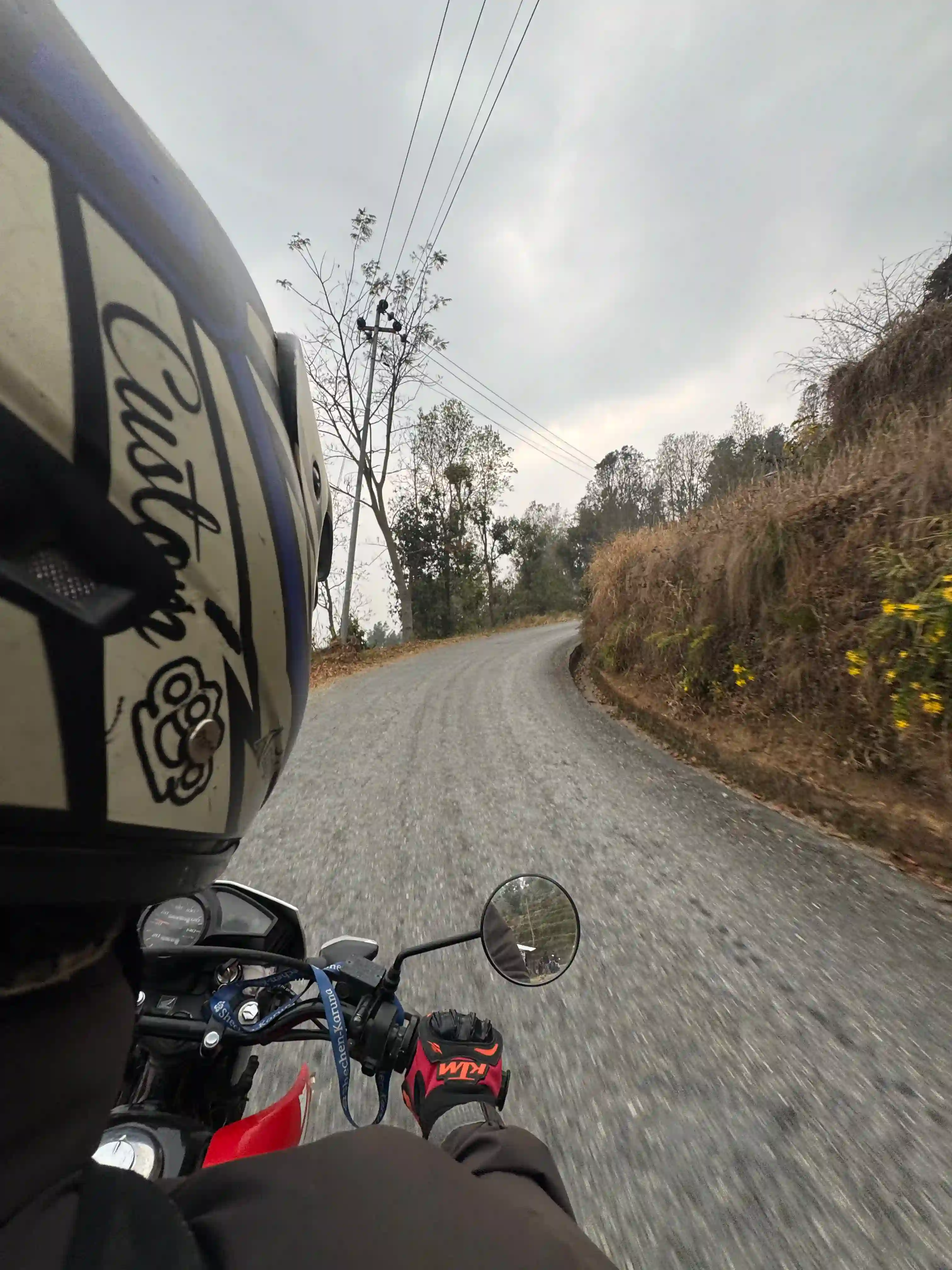
Through decades of experience, the 8-day itinerary to the Langtang Valley and its surrounding peak hiking activities came to be. The itinerary is fully focused on a comfortable trekking experience for all ages. For a shorter trekking experience, a week-long vacation to Langtang is also possible, since our itineraries are flexible and can be customised to trekker's need. To know more about the 8-day itinerary to Langtang, you can check our detailed blog, which is really helpful to both independent and agency-based trekkers.
Note: Currently this very same itinerary is not possible due to flash flood damage in Syafrubesi. Another roundabout from Dunche is possible, so please contact us before booking immediately.
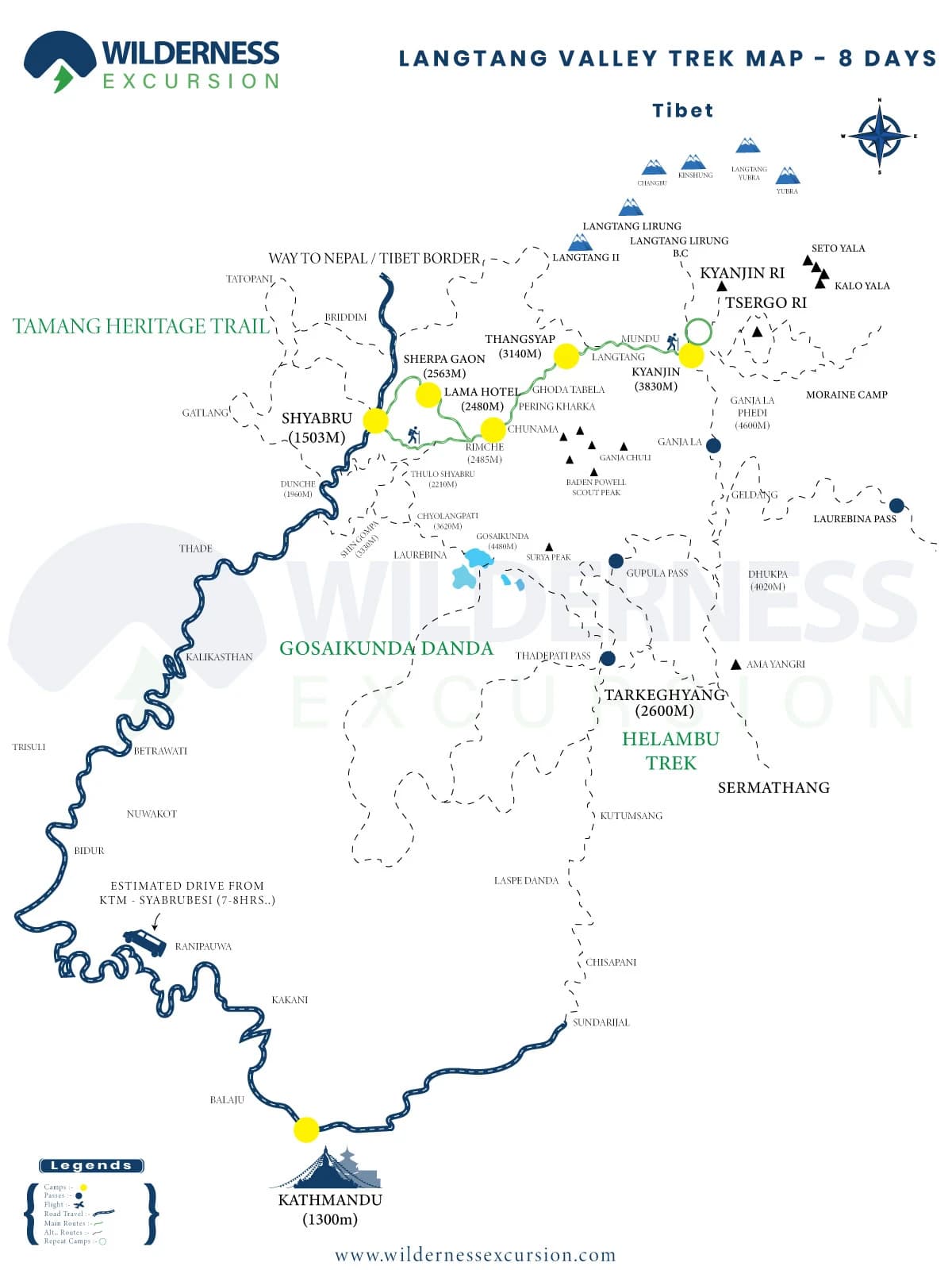
Route Map
Altitude Chart
Still Confuse?
Download brochure or customize your trip.
Cost Details
Includes
Guides and Trek staff
- An experienced and licensed Langtang Valley Trek guide.
- Guide fees and all his/her expenses.
- Insurance and trekking gear for your trekking crew.
Food and Accommodation
- Meals: 7 breakfasts, 8 lunches, and 7 dinners during the trek.
- Complimentary seasonal fruits and a cup of tea.
- Accommodation during the trek is on a double-shared basis.
Transportation and permits
- Kathmandu-Syabrubesi – Kathmandu by public bus or local shared Jeep (less legroom)
- Necessary Langtang Valley trekking permits.
- Documentation fee and all local taxes.
Excludes
Porters and Trek staff
- Porter to carry main pack (US$ 20 per day per porter)
Transportation and accommodation
- Transfers, accommodation in Kathmandu.
Bars, Beverages, Meals
- Any table drinks.
- Meals in Kathmandu
Essentials during the trek
- Hot shower and hot water, laundry, and toiletries.
- Personal travel insurance, internet, phone calls.
Rescue and operation
- Rescue operation charge in case of emergency.
Others
- Guided sightseeing and monument entrance fees in Kathmandu.
- Tipping your guide/driver.
Add-ons & Options
At Wilderness Excursions, we have 13 years of excellent operation and decades of expertise in leading the Langtang Valley Trek in Nepal. To further enhance your trip, we are pleased to introduce exclusive add-on options for even more exceptional choices.
- Porter Service USD 160: Travel lighter, explore further. Let our porter carry your gear (up to 23 kg, shared between two), which helps you easily conquer the Langtang Trek.
- Private Jeep Service USD 165: Upgrade your land transportation to a private Jeep for a more comfortable and personalized travel experience. The cost is shared among participants or adjusted based on group size.
Dates & Availability
Select Departure Dates
Oct 2026
Nov 2026
Dec 2026
Check our dates published to see if it matches your time. The current standard itinerary of the Langtang Valley Trek has few minor changes due to the aftermath of the Flash flood. We kindly request all visitors to check availability and enquire us before booking the trek and making full payments.
Essential Information
Things to know about the Langtang Valley Trek
Before trekking to Langtang Valley, there is some crucial information that is beneficial to know early. We will keep it brief, but if you require full details of the trek, you can read our article on the ultimate guide to Langtang Valley, which covers all information on the Langtang Trek, where it is and how you can trek it.
Important notes you need to know before trekking Langtang Valley
Every trekking destination is similar yet features distinct characteristics, and each journey is unique in its own way. Before trekking the Langtang Valley, there are some useful facts about the trek that are important before and during the trek.
Langtang trek difficulty: One of the most important factors when planning the Langtang Valley Trek is understanding its difficulty level. Trek difficulty depends on daily walking hours, overall trek duration, altitude gain, trail conditions, acclimatisation, and even factors such as rest, food, and recovery.
Overall, the Langtang Valley Trek is considered a beginner-friendly Himalayan trek that combines stunning mountain scenery with rich Tamang culture. The route passes through dense forests, river valleys, hillside trails, and alpine pasturelands, with generally moderate ascents and descents. We will explore the trek’s difficulty in greater detail below.
Accommodation during the trek: Compared to many remote trekking regions in Nepal, the Langtang Valley Trek offers some of the best teahouse accommodations and dining facilities available on a Himalayan trekking route. While services become more basic at higher elevations, most lodges provide comfortable twin-sharing rooms, common dining halls, and essential amenities.
Your first night is typically spent in Syabrubesi, followed by teahouse stays in mountain villages along the trail. Lodges in Langtang Village and Kyanjin Gompa are among the most comfortable on the trek, often featuring improved facilities, excellent dining areas, and spectacular Himalayan views. Busy sections such as Lama Hotel, Bamboo, Riverside, and nearby settlements serve as key resting points for trekkers travelling both to and from Langtang Valley.
Permits for Langtang Valley: The Langtang trekking region falls under the jurisdiction of Langtang National Park, so every trekker is required to obtain the Langtang National Park permit, including the TIMS Card. The checkpoint is at Ghodatabela, but there are multiple necessary checkpoints and entry points since the Rasuwa district is close to the border.
For trekkers booking with us, all the permits and necessary documents are covered by the package cost, and your assigned trek guide is responsible for checking you in and out during the trek.
Weather and seasonal conditions: Unexpected weather is a natural phenomenon in the Himalayas. One moment, you may see the whole Himalayan range with neighbouring peaks, and in another hour, covered in heavy mist. So, the best practice is to trek during the seasonal time when the weather is stable and clear most of the time.
Best season and month to trek: There is a standard practice for trekking season in Nepal, and the same applies to most adventure activities. Nepal experiences such a peak season twice a year. From March to May and September to November is the best time to trek the Langtang Valley. Each season also features its own distinct beauty and experiences of the overall trek. Read our article for the best time to visit Langtang Valley from month to month and seasonal experiences.
ATMs and Banks: There are no ATM or bank facilities for money exchange and withdrawals. So, for extra money, you will have to exchange for local currency while you’re still in Kathmandu.
Hot showers: Hot showers depend on where you are when trekking. Most of the lodges do support hot showers, but it will cost you extra.
Charging, mobile towers, and Wi-Fi: Surprisingly, some parts of the Langtang Valley trek have mobile towers for calls and data use. Although it may not be stable and consistent, it is still useful during emergencies. Charging is a bit different; you may already know that charging any devices on a trek costs you extra, and the same goes for internet services.
Food and drinking water in the Langtang Valley
What most trekkers don’t realise is the food variety provided by the lodges and teahouses of every trekking region. Every camp in the trekking region is far from developed markets and is far from transportation access, which drastically increases the challenge of transporting fresh ingredients. But despite such challenges, lodges always provide a variety of food options and hot drink options.
Honestly, the items are local dishes and some common international dishes made locally, but they are fulfilling and satisfying. The food items are mainly categorised into three main meals: breakfast sets, lunch, and dinner, with hot drink options. This varies from lodges to teahouses.
Common food items found in trekking lodges and teahouses
|
|
Food Items |
|
Breakfast |
Tibetan bread, chapati, fried potatoes, bread, jam, honey |
|
Lunch |
Dal Bhat, spring rolls, soups, fried noodles, momo, thukpa, rice items |
|
Dinner |
Same as lunch |
|
Hot drinks |
Black tea, black coffee, yak milk, hot chocolate, powdered milk |
Drinking water is different from food items. The majority of trekking lodges and teahouses survive on nearby water sources. Water is channelled from the source to water tanks and taps without or with a less filtration process. Sometimes it may not suit foreigners and result in stomachache and diarrhoea. So the best possible option is to boil the water or filter it.
How to prepare for the Langtang Valley Trek
The trails and routes of Langtang Valley are well-suited to beginner trekkers, but there are some minor challenges to overcome before trekking there. Although insignificant in general trekking regions, it can pose extreme importance in the Langtang Valley. Despite being known as a beginner trekking region, Langtang Valley actually passes some high-altitude viewpoints, Kyanjin Ri and Tsergo Ri, which are easily over 4500 metres. And truthfully, some parts of the Langtang Valley are not as well-developed as higher regions of the valley, which requires prior awareness and proper preparation.
Underdeveloped areas of the Langtang Valley trek
There are a few places along the Langtang route that are highly congested and unavoidable, where facilities can be harsh for beginner trekkers. The surrounding areas around Lamahotel are always packed with trekkers; rooms and restrooms can be a bit challenging. Although it's only for a night, there are some preparations you can do for a comfortable night.
- Lodges do provide blankets and a quilt, but for more comfort, you can always pack a sleeping bag.
- The area is under a dense forest, so nights can be a bit chillier; it's better to pack extra woollen socks and hats during winter.
- Electricity can be scarce, so pack a few backups and power banks or charge beforehand.
How to prepare for high altitudes in Langtang Valley?
While our final sleeping base is at Kyanjin Gompa (3,830 m), the optional acclimatisation hikes scale prominent viewpoints like Kyanjin Ri (4,770 m) and Tsergo Ri (4,984 m). Thus, beginner trekkers are advised to have proper hiking experience beforehand. Our standard itinerary does include gradual ascent and proper acclimatisation, but physical capabilities differ a lot depending on the individual; some might adapt quickly, whereas it may take time for others. Here’s what you can actually do before and during the trek:
- Build stamina and hiking experience at high altitudes.
- Make a weighted comparison of your physical capabilities.
- When trekking, hike slowly and steadily.
- Always complete your diet and do not miss any meals.
- Pack oral rehydration sachets and Diamox.
Packing list for the Langtang Valley Trek – What should you wear on daily hikes?
The Langtang Valley trek may be short, but because of the higher-altitude ascent and week-long journey across different environments, you need a solid packing plan based on the season you’re trekking. September-November can be cold and harsh in the Himalayas. So, let’s look into what you really need to pack when trekking to Langtang.
Daily wear during the trek
A simple fit is the key to a comfortable trip. Here are some items you will probably need for the Langtang Valley trek.
- Down jacket for the cold mornings and nights in the higher regions.
- Fleece or windbreaker for the day hikes and peak hikes.
- Moisture-wicking shirts and trekking pants for the day hike.
- Trekking boots or hiking shoes; they should be in good condition.
- Sun hats, glasses, buff, and gloves – useful to avoid sunburn.
Gear, electronics, and other necessary items:
- Trekking bags and additional duffle bags for a porter to carry if you have porter service as well.
- Mobile and camera chargers, along with additional headlamps.
- A pair of trekking poles and optional crampons; we will inform you if crampons are necessary during the hike to Tsergo Ri or Kyanjin Ri.
- Sleeping bags, water bottles, and rain essentials: the April to June season can be tricky; it is better to prepare in advance than regret it later.
- Sanitary items: toothbrush, toothpaste, sanitiser, first aid, moisturiser, and sunscreen.
Langtang Valley Trek - 8 Days FAQs
Trekking in an unknown region is hard with every small task of finding the trails, knowing where to stop, and coordinating with teahouses and lodges. Having a guide is like having a local AI who can do all these tasks for you and accompany you all the time.
The porters and guides of Wilderness Excursion are well-trained and properly insured before any departures.
The trekking region is protected by the Langtang National Park, so trekkers are legally required to obtain a national park permit and TIMS from the respective offices.
The Government of Nepal doesn’t allow solo travel for trekkers' personal safety without trekking guides. The NTB has strongly mentioned and released a press release that every foreign trekker in Nepal must book through a registered agency or hire a licensed guide. So, you’re legally required to hire trekking guides.
Booking the Langtang Valley trek package with Wilderness Excursion is easy and simple. In a few steps, you can book your next trip to Langtang with us. Follow these simple steps to book your trip:
- Click “ Book this Trip”.
- Fill out the form.
- Select required additional services.
- Pay the 15% advance deposits.
- Your booking is confirmed.
The cancellation policy for any trekking packages with us differs depending on the situation and the time period of booking. So, check out the Booking and Cancellation page for updated information.
Yes, you may reschedule your trekking dates if any preparation for your departure hasn’t been made.
We accept 15% advance payment as a deposit for booking the trek
The standard package of USD 485 includes your daily 3 melas, transportation, guides, accommodation, and necessary permits.
Personal expenses, such as bar bills and any other expenses not included in the cost details, are not covered by the package cost.
Carrying at least Nrs 2000 for daily extra expenses is enough to cover one person.
You will be spending two nights in a hotel in Syafrubesi, while the rest of the days during the trek will be in trekking lodges and teahouses.
Fresh meats are hard to store at higher altitudes, so for sustainability, lodges mostly include items that are suitable for vegetarians, and for special dietary needs, there are options for fresh fruit food items, such as pancakes.
Yes, most teahouses and lodges also sell filtered sealed water bottles at different prices. But if such options are not available, you can always filter the tap water.
If you have any extra luggage that needs to be stored in Kathmandu, hotels have plenty of storage facilities, but in case of hotel changes and instant departure, you can contact us to keep your luggage safe until you return.
The legal weight limit for one porter is 20-25 kg max. Any more than that is not legally and morally acceptable.
Leave only such things as you may not require during the trek, such as extra clothing, gear, and suitcases.
Altitude sickness is due to low oxygen levels, so the best possible option is to hike down as quickly as possible.
Yes, emergency rescue support is available. Leave your insurance paperwork copy with the agency, and in case of emergency, the agency will arrange the rescue.
Sorry, but we do not provide personal first aid and medical kits. Our guides do carry one for emergencies, but it's best to carry your own as well, depending on what you need currently and what you might need.
Langtang Valley is relatively safe when compared to other treks. The valley is protected under the national park, so there are scheduled army patrols near the Langtang Village.
The best precaution for high-altitude risk is to hike gradually and acclimatize to the changing environment slowly.
Basic gear like trekking boots and previously mentioned clothing is enough for the trek. Although during winter in Tsergo Ri, you might need crampons for the ice and heavy snow.
Yes, travel insurance is highly advised and suggested before trekking in Nepal.
There are multiple cultural practices in Nepal, so the most basic is that Nepali people always keep their shoes and sandals outside when entering a room. Most lodges let you keep your sandals on due to cold and comfort, but it's best to consult with your guide if you encounter any unfamiliar practices.
Yes, you can interact and communicate with local villagers, learn about their lifestyle, and participate if they let you. But it’s always best to ask for consent before jumping to action.
The major cultural sites are the mani walls, prayer flags, and chortens along the trails, which show the importance of culture and religion. There also few monasteries along the route, and the most important one is the Kyanjin Gompa.
The local lifestyle in trekking regions has always been agricultural and animal herding, but due to the growing tourism industry, the village no longer depends on the lodges and teahouse income while also continuing their farming.
The Langtang Valley is located in Nepal's Rasuwa District, part of Bagmati Province. Approximately 80 kilometers north of Kathmandu Valley, it falls within the boundaries of Langtang National Park, which shares a border with China's Tibet Autonomous Region to the southwest.
Sadly, on the 26th of August 2026, a major flash flood hit the Rasuwagadhi border post, which resulted in hundreds of deaths and missing, according to the official news channel of Nepal. The flood hit a major checking point (Syafrubesi), which was crucial for trekking to Langtang Valley. Although other alternate routes from Dunche are available, the highway leading to Rasuwa district along with connecting bridges was also damaged by the flood.
Authorities have found alternate roadways to reach towns in Rasuwa up to Dunche, from where you can continue your trek to Langtang Valley. The drive will take an hour or more depending on the traffic, and another day or two will be added to the standard itinerary we have provided.
Anything that is not included in the cost details will have to be personally covered. For example, bars and beverages, other essential things like toiletries, insurance, internet, and so on, which you can check in the cost details.
Our website prices cover essential parts, but additional services can be added as well, which are not included, like vehicle transportation, private jeeps, hotel booking in Kathmandu, and yes, prices will also differ based on the services selected. Payment for such services will be mentioned on the booking receipt you receive.
Yes, we offer our booking to every range of groups, including solo trekkers. The 8-day Langtang Valley Trek package also supports advance booking for solo trekkers.
The standard Langtang Valley Trek is 8 days, for more comfortable hiking days and acclimatization plans, but if you’re short on time, you can check our 7-day Langtang Valley trek for more hyper pacing.
The Pikey Peak trek is another trekking route in the SoluKhumbu district known for short and cultural trips like Langtang Valley. But the clear difference between them is the close Himalayan experience and a 360-degree panoramic view of the Himalayas from major peaks. For more comparative details, visit our blog page on Langtang vs Pikey Peak
Langtang Valley is primarily known for its astounding views of the Himalayan Range in Langtang, but the trek also highlights cultural significance along the trails: Mani walls, Prayer flags, and Chortens.
Yes, since both peak exceeds above4500 meters, it is best to have prior trekking experience for a successful ascent.
Truthfully, it is possible to have altitude sickness when hiking Kyanjin Ri or Tsergo Ri. Both peaks pass an altitude above 4500 meters, which is hard for trekkers who have never been above 3500 meters.
Langtang Valley Trek is typically regarded as a good introduction to high-altitude trekking in the Himalayas. Even though it is categorized as moderately demanding, it offers a balanced mix of adventure and accessibility, making it suitable for trekkers of different skill levels and experience. Please be informed that all treks in Nepal involve walking up and downhill on the mountain trail.
Langtang Valley trek cost generally varies between US$ 450 to 900, depending on factors such as trek duration, mode of services, and group size. Extended itineraries and more comprehensive packages typically command higher prices
The Langtang Valley Trek goes up to 3,830 meters (12,566 feet) high at Kyanjin Gompa, where you sleep at the highest altitude, and if you take a detour to Tsergo Ri, then it is 4,995 meters (16,352 feet) high. For those who can not hike to Tsergo Ri can hike to Kyanjin Ri its height is 4500 meters above sea level.
While hiring a porter for the Langtang Valley Trek is not legally required, it is strongly advised—particularly for trekkers carrying heavy equipment or those seeking a more comfortable and stress-free journey. Porters can assist with luggage transport and provide valuable support throughout the trek. It will cost USD 20 per porter and can be shared between two trekkers. One porter can carry 25kg maximum.
Yes, it is advisable to bring a warm sleeping bag, as teahouses often lack proper insulation and nighttime temperatures can drop considerably, particularly at elevations above 3,000 meters in old months.
Yes, every teahouse you will spend a night have WiFi service though it is not fast. You can subscribe a 4G data if you buy an NTC SIM card which is much cheaper and faster Internet ptopm.
Nepal has 129 ethnic groups in the country and Tamang is one of the biggest ethnic groups among them. Langtang Valley is home to Tamangs and other Tibetan-like cultured in Langtang they claim themself as Tamang having similar language and tradition to Tibetan in the north.
Yes, one can complete this trek walking via Sherpa Gaun and Khanjim this provides you with a loop /small circuit trekking expereince rather than the same way down to Syabrubesi.
Yes, you can combine this trek with following short treks still within the Langftang region:
1) the Gosaikunda Trek
2) the Tamang Heritage Trek,
3) Tilaman Pass Trek,
4) Ganjala Pass Trek
The Langtang Valley Trek is a safe and rewarding experience for solo female travelers, particularly when undertaken with a guide. Nepal is widely regarded as a secure destination for women traveling alone, and the Langtang region is a well-established and accessible trekking route. Wilderness Excursion also has female guide if solo female trekkers.
We received an official email from TAAN (Trekking Agencies Association of Nepal (TAAN) in February 2025, that an official letter from Langtang National Park was sent to TAAN and other related authorities. The park officials requested that all trekkers, foreign and Nepali, should no longer trek solo and should have a trekking guide for the Langtang trek

To fly a drone in the Langtang Valley trek area, you must first register your drone with the Civil Aviation Authority of Nepal (CAAN), acquire the required permits, and obtain prior authorization from the Department of National Parks and Wildlife Conservation. Compliance with all regulatory procedures is mandatory.
(Note: Regulations may change, so verifying with the relevant authorities before your flight is recommended.)
No, It is not necessary but it is your choice whether to tip or not. Your crew directly involved in your service during the adventure tour expect tips from you at the end of the trek. How much to tip. Here is an article that may help you with tipping your guide and porters in Nepal.
The Langtang Valley Trek is suitable for all age groups and is an excellent choice for beginner trekkers. Known as one of Nepal's easiest and most accessible Himalaya treks, it features a relatively low altitude, making it ideal for those seeking a less strenuous adventure.
During the trek, the highest point reached is 3,830 meters at Kyanjin Gompa, with optional detours to Kyanjin Ri (4,380m) and Tserko Ri (4995m) for those looking for additional challenges. If you prefer a scenic and manageable trek without extreme altitudes, the Langtang Valley Trek is a highly recommended option.
Best Time for the Langtang Valley Trek
The ideal trekking seasons for Langtang Valley are typically March to May (spring) and September to November (autumn), offering stable weather and clear mountain views. However, the trek is feasible year-round, with each season presenting unique advantages.
During the monsoon season (June to August), rainfall may obscure some views, but the lush green landscapes and tranquil trails—free from crowds—create a serene trekking experience.
The primary mode of transportation to access the Langtang region is the public bus, which departs daily from Kathmandu in the morning. For a more comfortable journey, travelers may choose to rent a 4x4 vehicle, particularly suitable for groups of four or more. Wilderness Excursion can facilitate private jeep arrangements upon request.
In the Langtang Valley, both Ncell and Nepal Telecom (NTC) provide mobile coverage, though NTC is often favored for its stronger signal. it can be limited and unreliable on bad weather days, particularly in higher altitude areas above Langtang. NCELL doesn't work in higher places.
What Our Clients are Saying?
based on 7 reviews
Langtang Valley Trek second time!
I recently returned from an incredible trek to Langtang Valley with Wilderness Excursion, and I cannot recommend them enough for anyone looking to explore Nepal’s breathtaking Himalayan landscapes. From start to finish, the experience was seamless, memorable, and filled with...
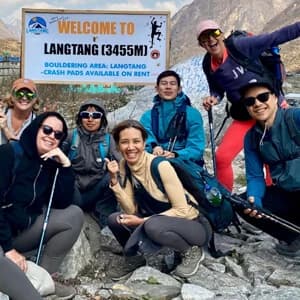
Ampinee Suwunsawet- Thailand
June 10, 2025Langtang Valley Trek (May 2025)
Langtang Valley Trek - an amazing trip!
My partner and I had an amazing first trek in Nepal, creating memories we’ll treasure forever. The Langtang Valley offered some of the most stunning landscapes we’ve ever seen, and the Tsergo Ri...
A
Amy Anderson- Ireland
May 30, 2025Langtang Valley Trek (April 2025)
Langtang Valley Trek – Absolutely amazing hike!
Our first-ever trek in Nepal was Langtang Langtang Valley Trek recently. It was absolutely amazing experience. Once you are above...
P
Pamela H.- Singapore
May 01, 2025Adventures Tailored for You

Need Help? Call Us+977 9851042153