The Ruby Valley Trek in central Nepal, near Kathmandu, is a less-touristic trail offering authentic cultural experiences with the Tamang, Gurung, and Magar communities. It features stunning Himalayan views, terraced farmlands, and high-altitude passes like Pangsang (3850 m), showcasing the Ganesh Himal and Langtang ranges.


Ruby Valley Trek - An off the beaten trekking trail
Duration
6 Days
Trip Grade
Medium Hard
Maximum Altitude
4045 Meter
Group Size
Min 2 Pax
Activities
Trekking
Starts
Kathmandu
Ends
Kathmandu
Best Time
Mar-May, Sep-Nov
Ruby Valley Trek Overview
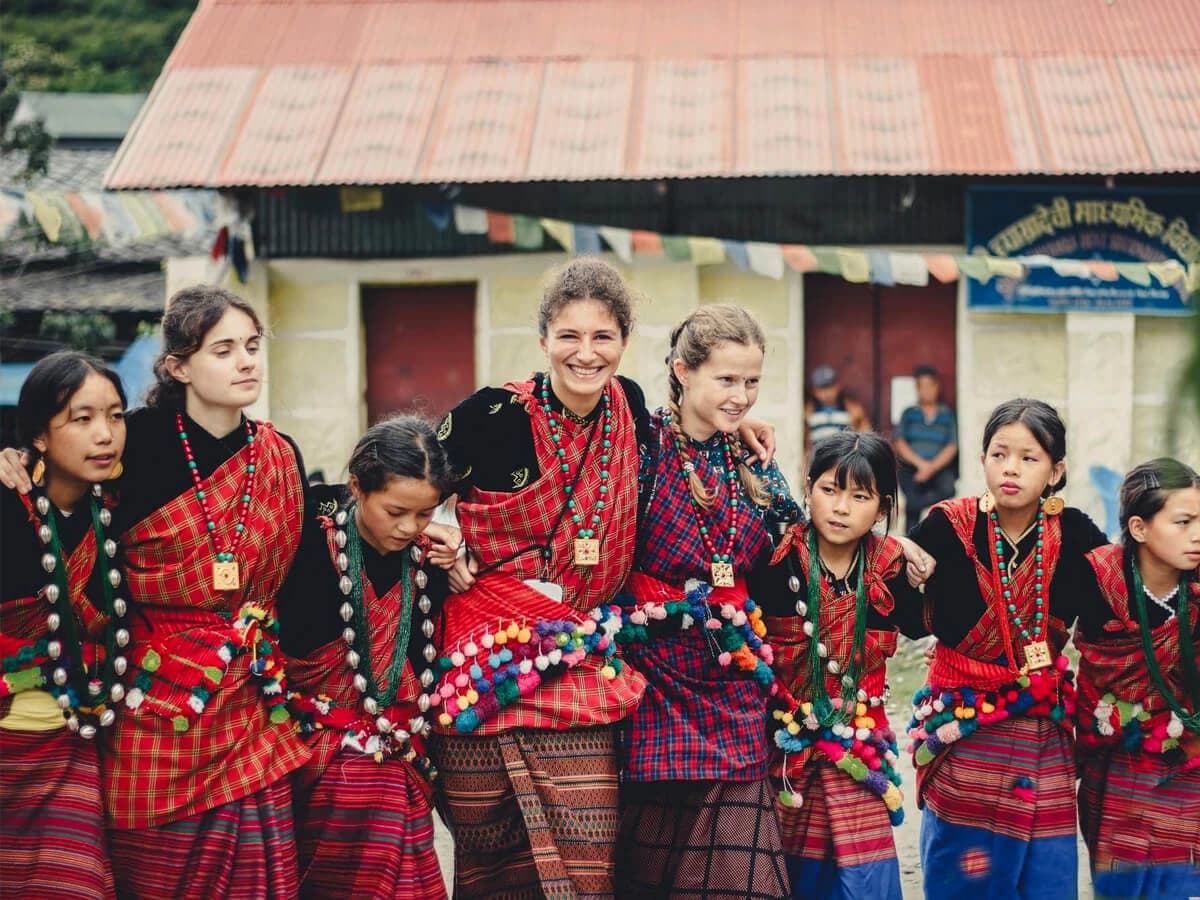
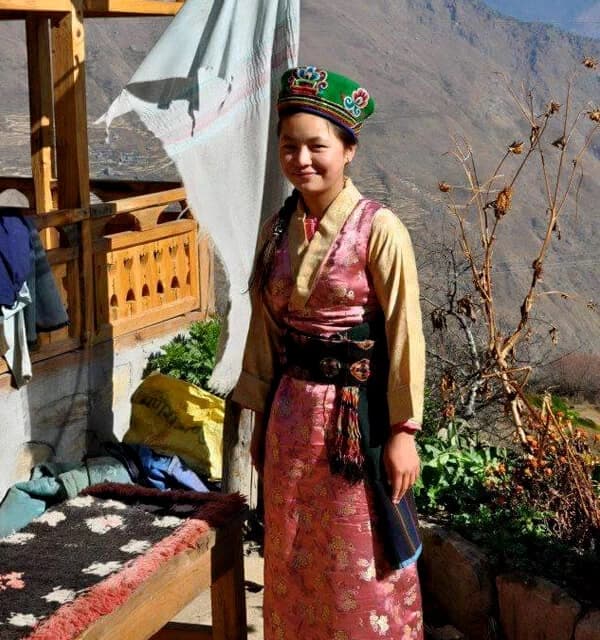
Ruby Valley Trek, formerly known as Ganesh Himal Region, is one of the best, least touristy hiking trails in central Nepal. It is a hidden valley between the Langtang and Manaslu trails. This newly proposed trekking destination is close to the capital city of Kathmandu, is best for those who like to trek in very little-touristed areas to experience authentic local culture, stay at home, and interact with locals residing in the region. The main ethnic groups are Tamang, Gurung, Magar, and Dalit. Tamang is the majority ethnic group in the upper part of Ganesh Himal in villages like Sertung, Tipling, and Jharlang, whereas there are Brahmans, Kshetris, and Dalits (considered to be low caste) in the lower part of Ruby Valley. The scenery is splendid, from Pangsang Pass to Singla Pass.
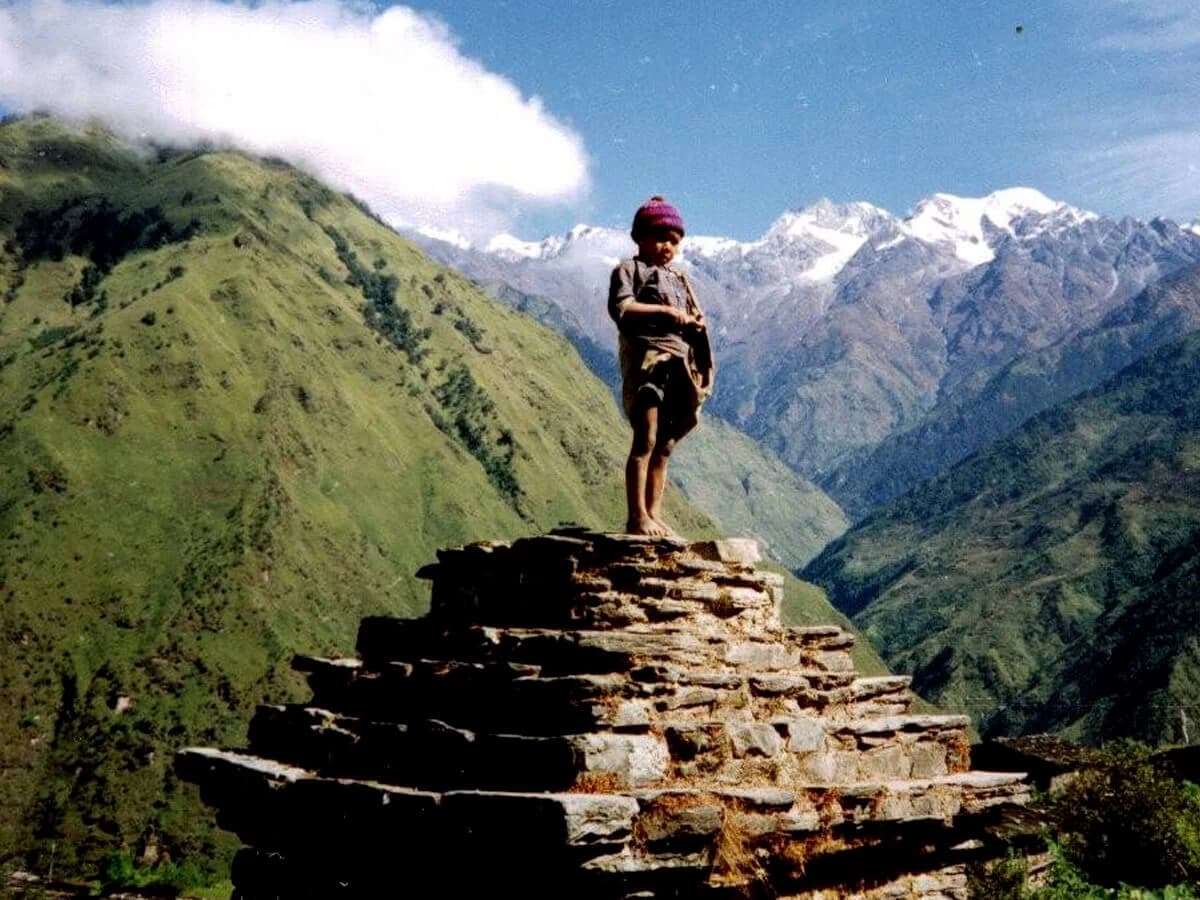
The trek goes through foothills and lowland terraced farmlands to ethnic Tamang villages at higher altitudes. Along the trail, the trek offers splendid close views of Ganesh Himal, Langtang, Bouddha Himal, Hiunchuli, and other peaks of the central Himalayas. The highest altitude on this trek is the Pangsang Pass, at an altitude of 3850 m above sea level. Pangsang Pass offers one of the finest views on this trek.
Getting There and Various Routes to Start The Trekking
There are multiple ways to get around it. The trek can be started from Syabrubesi, some 150 km from Kathmandu. Syabrubesi is also the main gateway to the Classic Langtang Valley Trek. Alternatively, this trek can be started from Sertung Village - the biggest Tamang people settlement (155 km) from Kathmandu via Dhading Besi.
Many people start the trek from Bhalche in Nuwakot and trek via Sing La Pass (4045 m). Daily local buses are available to Bhalche, Syabrubesi, or a public shared jeep to Borang from Kathmandu, which is directly connected to Ruby Valley via Dhading Besi. Our original itinerary starts from Bhalche village; the longer version trek begins at Arkhet, following the Manaslu Circuit Trekking trail for the first day.
Ruby Valley Trekking Permit and Regulation
Yet, Ruby Valley is neither a conservation area nor a national park, so this trek doesn’t require a specific trekking permit. As the TIMS Card is compulsory for all the treks in Nepal, it is necessary for this trek too. If you are starting a trek or ending this trek in Syabrubesi, you will need to purchase a Langtang National Park entrance permit, which can be obtained in Kathmandu. Wilderness Excursion included the trekking permit as part of your Ruby Valley Trek Package. For more information, read on about the Nepal Trekking Permit.
Facilities in Ruby Valley and Trip Cost
Ruby Valley Trek in the Ganesh Himal region is not facilitated like other major trekking trails, such as Everest Base Camp or Annapurna Trek Route; basic lodges and homestay facilities are available. Home stay trek is comparatively low-cost, so it is affordable for most wilderness lovers on a budget. If you are looking for a comfortable trek with good accommodations and a variety of food options, then this trek may not be ideal for you.
At Wilderness Excursion, we crafted this 6-day package trek with a combination of camping nights in the wilderness and a homestay experience in Gatlang and Sertung Village. For those willing to extend this trek, we can tailor the itinerary from 7 to 12 days to explore Ruby Valley in depth. And the length of your trip affects the cost spontaneously. We are happy to customize your trip. Our updated cost for the 6-day Ruby Valley Trek is USD 575 per person, based on 4 to 6 adults in the group
Ruby Valley 7 Days Itinerary via Syabrubesi - Gatlang and traverse Pangsang Pass (3860 m).
Day 1: Pick up from the hotel and drive to Syabrubesi (1400m): 5-hour drive.
Day 2: Trek to Gatlang (2600m), 6 hours. Overnight in a Home stay / basic lodge.
Day 3: Trek to Somdang (3700m). Overnight in the teahouse
Day 4: Trek to Pangsang Pass (3800m), teahouse/camping if lodges are closed.
Day 5: Trek to Yak Kharka (3500 m) – Overnight in Camping
Day 6: Trek to Sertung (1900 m): The biggest Tamang settlement, homestay or basic teahouse.
Day 7: Drive from Sertung to Dhading Besi - Kathmandu by public shared jeep.
Ruby Valley Extended Itinerary to explore the area in depth (Cost USD 999 per adult, exclusive package).
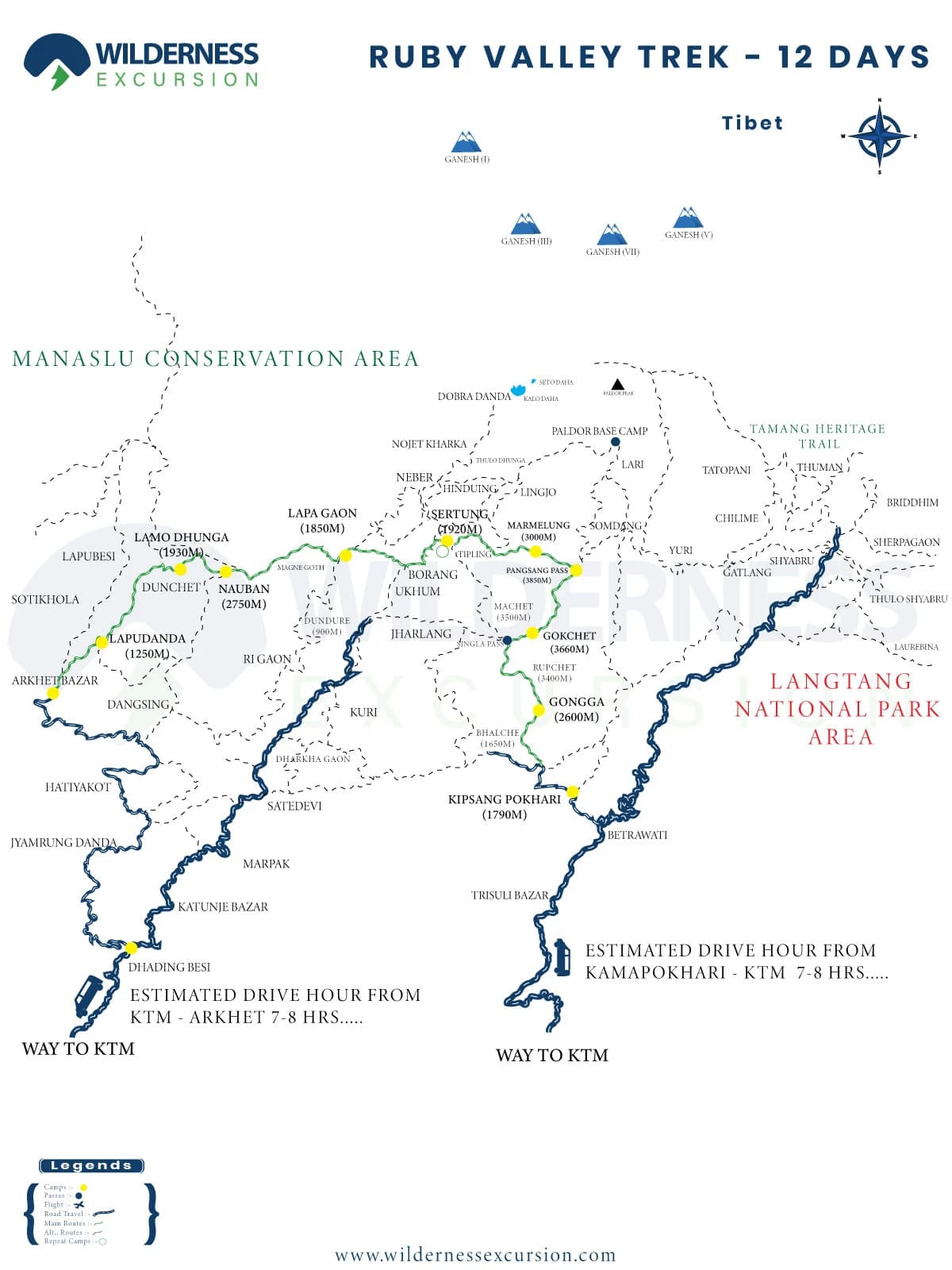
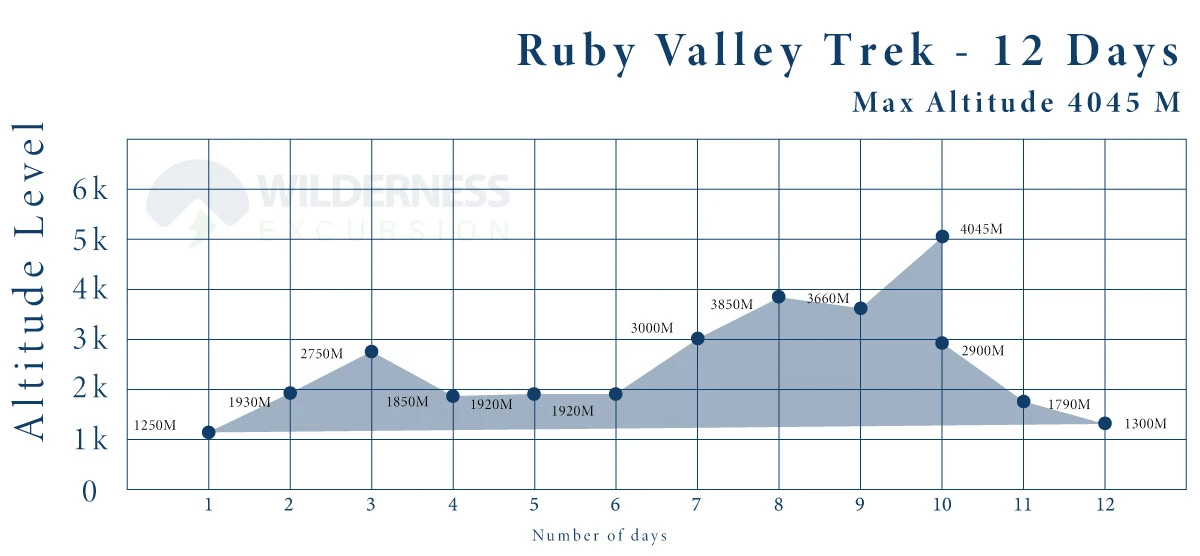
Day 01: Follow the Manaslu Circuit Trek Route to Arkhet, then cross the river and trek up to the Lapu Danda (1026 m).
Day 02: Trek via Dhunchet to Lamo Dhunga (1930 m).
Day 03: Mostly a forest walk today to our camp in a clearing at Nauban Kharka (2710 m).
Day 04: Cross the Myanghal Bhanjyang and descend to Lapagaon (1700 m).
Day 05: Descend to the river, cross 2 bridges, and stop for lunch at Borang (1425 m). Trek to Sertung(1900 m), our home village.
Day 06: Rest in Sertung and a Day Hike to Phyangchet Monastery and Buddha Statue.
Day 07: Trek via Tipling to Marmelung Kharka (3000 m).
Day 08: Ascend to the Pansang La (3850 m) and camp there.
Day 09: Trek south on the Tiru Danda to a camp at Gokchet (3660 m) below the Sing La.
Day 10: Cross the Sing La Pass (4000 m) and descend to Gongam Bhanjyang (2900 m).
Day 11: Descend through the forest and then the farmland to Kipsang Pokhari (1790 m).
Day 12: Drive back to Kathmandu, where we check in at the group hotel.
Carrying tents and light meals is necessary for trekking through Singla Pass or Mangni Pass (2975 m), though yak huts are available. Ruby Valley Trek can be combined with the Tamang Heritage Trail Trek, Langtang Trek, Gosaikunda Trek, and the famous Manaslu trekking route.
What side trips are recommended while doing the Ruby Valley Trek
The Ruby Valley Trek offers stunning Himalayan scenery and unique Tamang and Gurung culture, with some side trip options to enhance your trekking experience.
- Kalo Daha Side Trek: Kalo Daha is a holy and isolated lake situated in the very lap of the Ganesh Himal, surrounded by breathtaking scenery and folk tales. This Side Trip to Kalo Daha will require + 5 days from Sertung. You can arrange local porter cum guides at Sertung if you are trekking independently. However, there are no teahouse facilities on the route, and you need to supply your necessities yourself. We recommend hiring a properly experienced guide to enhance your trekking experience in depth.
- Tatopani (Natural Hot Spring): Tatopani, meaning “hot water” in Nepali, is a day hike destination for a natural hot spa. Nepalese believe that illnesses such as arthritis and other body ache-related diseases can be healed by soaking in a natural hot spa, which is some 2 to 2.5 hours downhill walk from Sertung and 3 hours to return, based at the Sertung camp.
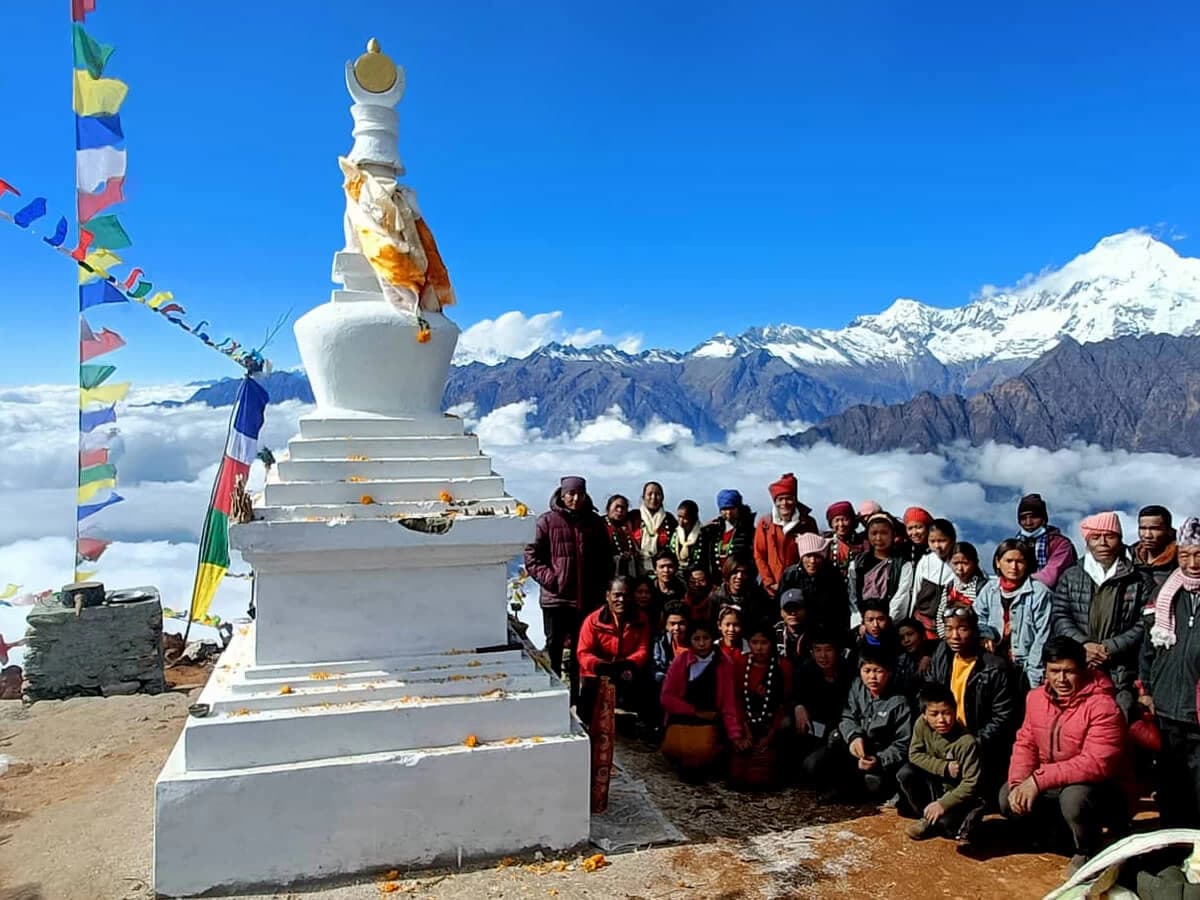
- Brakar Jo: From Sertung, you can hike to Brakar Jo, the distance is some 500 meters up. There is a huge newly built Buddha Statue and the Phenchet Gompa. Buddhist monastery of the Nyingma Tradition that holds important religious and historical significance. The shrines were renovated after the deadly earthquake in April 2015. The place provides a spectacular view of the Ganesh Himal range and the Ruby Valley itself.
-
The Pangsang View Point (often called Pangsang La Pass or Pangsang Danda) is a stunning 3,842-meter vantage point in Nepal's Ruby Valley. It serves as one of the major attractions of the Ruby Valley Trek, providing expansive 360-degree panoramas of the Ganesh Himal, Langtang, and Manaslu ranges. Since you are doing Singla Pass (the best viewpoint in the region), then Pangsang View Point is subsidiary.
-
Paldor Peak Base Camp: Paldor, also called Brankay Peak (5896 m), is located in the remote Ganesh Himal region north of Somdang. Paldor Base Camp, situated at an approximate elevation of 4500m, provides trekking in a wilderness area where hardly any people trek. This off-the-beaten-path side trek is prized for its spectacular views of the Ganesh Himal range, Langtang Lirung, and the Tibetan peaks. This side trek requires 3 to 4 extra days with camping gear. Check our Paldor Peak Climbing for a crowd-free Himalayan experience
Itinerary
Expand allOn the first day of the Ruby Valley Trek itinerary, your guide and porter assigned by Wilderness Excursion for your trip will arrive at your accommodation at around 6:00 AM to pick you up from the hotel. Drive from Kathmandu to a trailhead – the village called Bhalche and a traditional Tamang Village, which serves as the start of the Ruby Valley Trek in the Ganesh Himal region that links a segment of the Great Himalaya Trail, the Langtang Trek, and the popular Manaslu Route. It will take 6 to 7 hours by Public Bus Transportation from Kathmandu.
Upon arrival, we can take a ramble around this Tamang settlement to explore their culture and lifestyle. Overnight stay in a homestay or basic lodge accommodation.
After breakfast, we leave Bhalche behind and embark on our journey. The trek from Bhalche to Gongaga is pleasant, a walk through lush green, scenic, gradual uphill journey through the subtropical jungle, passing through several seasonal herding places in the region. It is often the second day of longer treks, toward our Ruby Valley Trek in the Ganesh Himal region.
Overnight in a tented camp or basic lodge at Gonga Kharka. This meadow is beautifully nestled in the middle of the forest, rewarding tranquility and calmness.
Today, the trail from Gongka to Rupchet (also spelled Rupchyat) is a steady, scenic, and continuous uphill hike in the remote Ganesh Himal region. This usually acts as the second day of the classic Ruby Valley wilderness segment route, transitioning you from lush, low-altitude jungles into high-altitude alpine meadows.
Ruchet is a local people’s seasonal (June to August) herding slope meadow that offers serenity and a peaceful camping experience away from busy and crowded trekking routes like Langtang. Overnight in a Yak Hut or Camping.
Leaving Rupchet Kharka behind, we climb to Singla Pass (4000 m), which provides a mesmerizing mountain view including Langtang, Ganesh Himal, Pabil Himal, Yangra Peak, Boudha Himal, Mount Manaslu, Himalchuli, Lamjung Himal, and prominent landscape down to Ruby Valley and Gosaikunda area to the east. From Singla Pass Top, the trail goes through the ridge and descends downhill for about 2 hours to Machet Kharka - one of the biggest, peaceful, and scenic alpine pastures that is used by local people as a summer herding place from June to August. We set a camp here for an overnight peaceful night stay.
This is the most beautiful and remarkable day of the Ruby Valley Trek, regarding the mountain view and the landscape that offers a great photo opportunity.
Trekking from Machet Kharka (approx. 3,500 m) to Sertung (1,900 m) is a very scenic hike for about a 5 to 6-hour continuous downhill walk through alpine and rhododendron forest. You will pass multiple herding places with seasonal cow-huts.
On the way down, you will have an opportunity to visit “Phenchet Monastery” and the Buddha Statue. The place is actually an ideal place for peaceful and serene camping. You have an excellent view of Ganesh IV, Yangra Peak, and Paldor Peak. And overlooking view of Sertung Village – the biggest settlement in the region, the majority is the Tamang ethnic group and Gurung people, some Newar and Kami (blacksmith) are considered as low caste.
The route takes you from high-altitude alpine pastures through lush forests and down to the region's largest Tamang settlement situated at an altitude of 1965 meters, so this day is also significantly meaning day today in our Ruby Valley Trekking. Overnight in Sertung homestay
Today, this is our last day of the Ruby Valley Trek will drive to Kathmandu Sertung via Dhanding Besi. The drive is scenic and thrilling. The road is bumpy as it is unpaved until Dhadingbesi, the drive is smooth as we reach via Malekhu – Kathmandu in Prithvi Highway. The drive will take about 6 to 7 hours, crossing the Ankhu Khola (river) as well as Kimdang Phedi, Katunje, and Jyamrung villages. On the drive, you will be able to take in the surrounding scenery.
Our guide will transfer you to your selected accommodation. Our trek concludes in Kathmandu. Farewell friend!
PS: You can order a private jeep for comfortable travel at an extra cost.
Embark on our standard 5 Nights 6 Days Ruby Valley Trek Itinerary that leads you to the unexplored gem of a hidden paradise, beautifully nestled between the Langtang Region and the famous Manaslu Trek Route.Contact our expert for a tailored itinerary if our standard itinerary doesn't match your needs. WhatsApp: +977 9851042153
Route Map
Altitude Chart
Still Confuse?
Download brochure or customize your trip.
Cost Details
Includes
- A registered English-speaking local Ruby Valley trekking guide.
- Porter to carry your main pack and basic camping gear.
- Meals: 5 Breakfasts, 6 Lunches, and 5 Dinners during the trek.
- Tea, coffee, cookies, and fresh fruits during the trek.
- Local shared ground transportation
- Tent and home stay accommodation during the trek
- Guide and porter fee with all their expenses for the trek.
- Ruby Valley Trek Permit, if applicable.
- Local taxes and documentation charges.
Excludes
- Transfers, accommodation, meals, and guided tours in Kathmandu.
- Bar and beverages during the trek.
- Personal travel insurance and trekking gear,
- Rescue operation charge in case of emergency.
- Extra expenses if the trip is extended.
- Tipping guide and porter.
Dates & Availability
Select Departure Dates
Oct 2026
Nov 2026
Dec 2026
Choose a scheduled date or contact us to set up private dates or a bespoke itinerary. The minimum deposit is 15% of the total value, and the balance due is payable upon arrival.
Ruby Valley Trek - An off the beaten trekking trail FAQs
The Ruby Valley trek is situated in the Ganesh Himal region of Nepal, which includes the Langtang and Manaslu Conservation Area in the Rasuwa and Dhading districts. This comparatively less-trafficked trail offers trekkers a chance to experience Nepalese rural life, unique cultures, and spectacular mountain views of the Ganesh Himal range.
Like other treks in Nepal, the very best time for this wonderful adventure is the spring and autumn seasons. From March to May when days are sunny most of the months and chances of light rain and snow sometimes in the late afternoon. Trekking from mid-March to April provides rhododendron blooming time and Autumn (Sept to November) is best time of the year to trek to Ruby Valley
Yes, Ruby Valley Trekking is a very safe trek through the foothills of Ganesh Himal. Walking and exploring the traditional Tamang and Gurung Villages provides an opportunity to interact region's most welcoming locals traversing the 4000-meter Sing La Pass, which is a safe and marvelous trek without a technical climb.
Ruby Valley got its name from the range of crystals existing in the area, comprising ruby. In Ruby Valley, you can find rare flora and fauna, and minerals, including ruby, crystal, and zinc. Ruby Valley is located at the base of Ganesh Himal, which is beautifully nestled between Langtang National Park and the famous Manalasu Conservation area.
It is possible to trek independently on major routes like Syabrubesi – Somdang – Pangsang and Sertung via Tipling, which is very easy to navigate, but when it is full of snow covering the trail makes it difficult to find the direct route may lead trekkers to miss. In 2017, a Taiwanese couple went missing for 45 days, and the girlfriend died when the rescue team found them one day later. Other routes like Singla Pass, Kalo Daha, and Paldor Base Camp, the Ganesh Himal trail is difficult to navigate, and the chances of getting confused with the Yak trail lead trekkers into danger on steep slopes, causing accidents. So a Guide and advised for a safe and sound trek
Yes, one can easily combine the Ruby Valley Trek with Langtang Trek. You can either start the Ruby Valley trek continue to Langtang route to east or go to Langtang Tamang Heritage first and then complete the trek via Ruby Valley.
Yes, you can combine the Ruby Valley Trek with the Manaslu and Tsum Valley Trek. Ruby Valley is situated between Langtang and Manaslu, os it can easily be combined extended trek
Ruby Valley has good mobile reception. Wilderness Excursion suggests carrying an NTC SIM card. NTC SIM has a 4G network, and one can access a flawless data internet
The highest point of the Ruby Valley Trek is Singla La Pass at a height of 4045 meters ( 13267 ft.) above sea level. This high pass is the ultimate destination of the Ruby Valley Trek. It marks the maximum height reached on the trail, offering a magnificent view of the surrounding Himalayan peaks in Ruby Valley.
What Our Clients are Saying?
based on 6 reviews
Great experience with Ruby Valley Trek, hidden gem in Nepal!
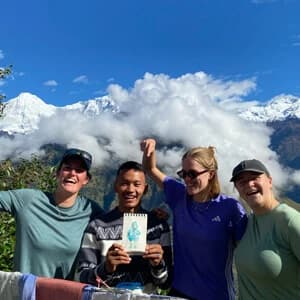
I did the Ruby Valley Trek last week, with 3 of my friends, and completed the incredible trek arranged by Wilderness Excursion, starting in Syabru Besi and finishing in the beautiful village of Sertung. It was an absolutely fantastic experience.
Our...
Charlotte Kaanen- Netherlands
November 04, 2025Ruby Valley Trek (October 2025)
We, friends of four young girls, trekked to Ruby Valley recently. Because of unusual rain for 3 days, our first trek was affected. We started the trip from Syabrubesi – Gatlang, and Somdang was totally wet for 3 days (October...

Ella K- Netherlands
November 03, 2025Ruby Valley Trek with Wilderness Excursion
Ruby Valley Trek - My fifth Trekking in Nepal
My 5th time trekking in Nepal, and I took the Ruby ValleyTrek this time. I selected Wilderness Excursion as I can rely on them, and all four previous trekking trips were...
L
Laurent F- Belgium
June 06, 2025Adventures Tailored for You
Need Help? Call Us+977 9851042153