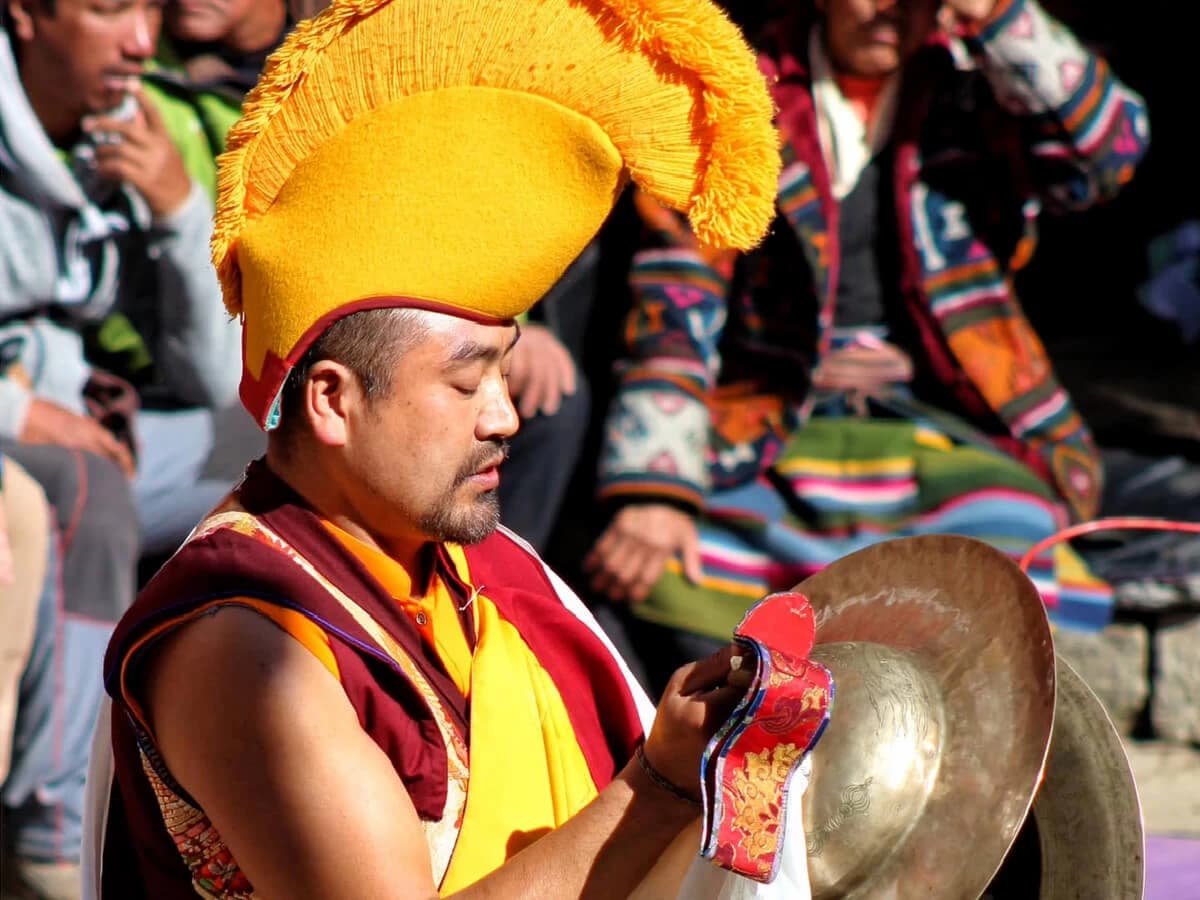
The Mani Rimdu Festival, celebrated in Solukhumbu, Nepal, is a 19-day sacred ceremony ending with a 3-day public event. Sherpas and lamas gather for prayers, lama dances, and rituals symbolizing Buddhism's triumph over Bon, attracting locals and tourists to experience Sherpa culture and Himalayan views.


Mani Rimdu Festival Trek in Tengboche - 10 Days
Duration
10 Days
Trip Grade
Moderate
Maximum Altitude
3870 Meter
Group Size
Min 2 Pax
Activities
Trekking, Cultural Exploration
Starts
Kathmandu
Ends
Kathmandu
Best Time
November 5, 6 and 7
Mani Rimdu Festival Trek Overview
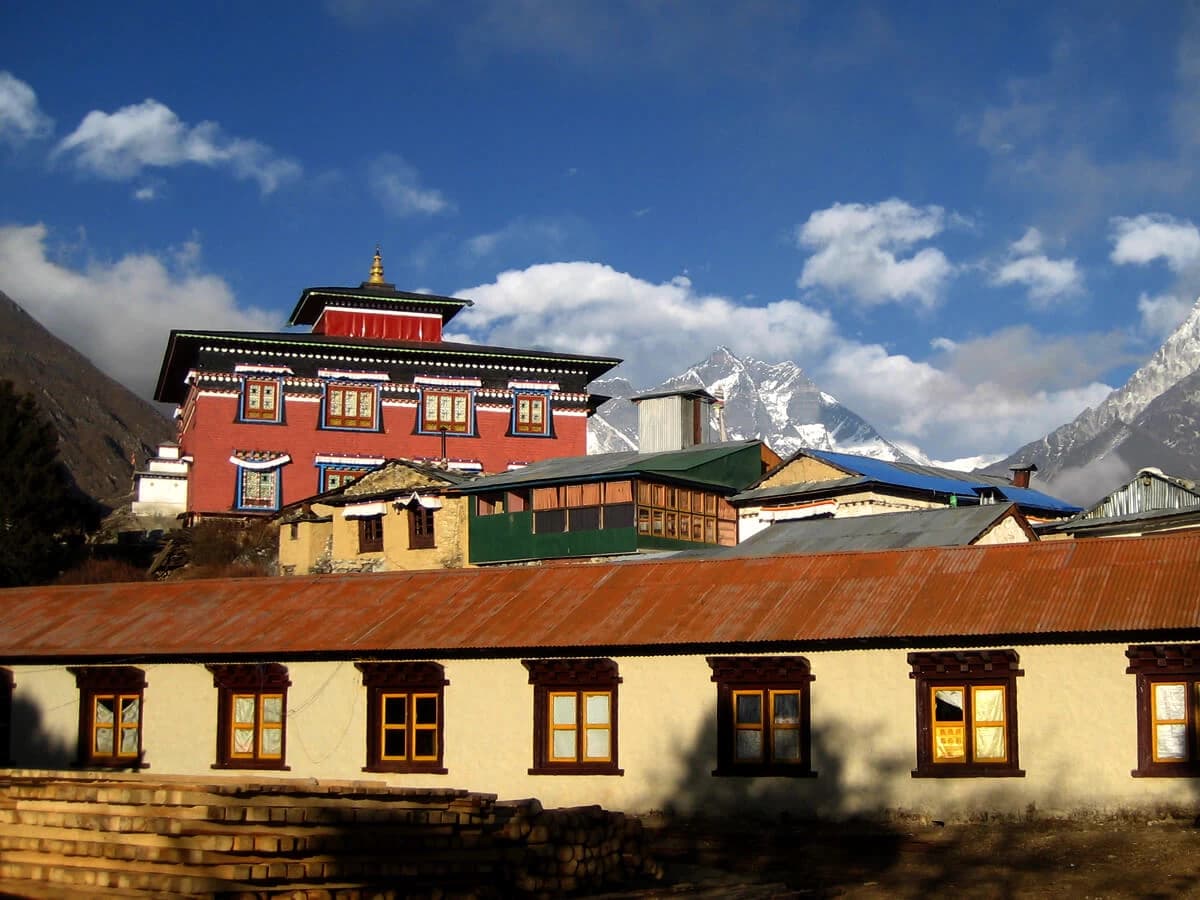
Mani Rimdu Festival is celebrated at Tengboche, Thame, and Chiwong Monastery of Solukhumbu, Nepal. This is a sacred ceremony and a series of events of empowerment. It is a sequence of nineteen days of celebration, which concludes with a three-day public festival. Sherpa gets time to gather and celebrate this festival with the monastic community. Lamas and Sherpa gather at the monastery for five days for the welfare of the world. Demons are quelled, and the virtuous are rewarded. The monks wear elaborate masks and costumes and, through a series of ritualistic Lama dances, dramatize the triumph of Buddhism over Bon. The first days of the festival involve prayers; the second day is for colorful lama dancing; they wear brocade gowns and wonderfully painted papier-mâché masks. The last day is for some humorous dances and chanting prayers. Hundreds of locals and foreign tourists attend the performance. This trek rewards you for seeing the real and ideal culture of the Sherpa people and the great Himalayan picturesque views.
When is Mani Rimdu for the year 2026?
The date of the Mani Rimdu festival is fixed according to the Tibetan lunar calendar. The head lama at the Tyangboche Monastery announces the dates after the Tibetan New Year. In Tengboche, the Mani Rimdu is performed in the 9th Tibetan month, which usually falls in October or November. For the year 2026, the festival will be celebrated on the 26th, 27th, and 28th of October at Chiwong Monastery and Tengboche Monastery. The date has been fixed for the celebration of this religious festival at Tengboche Monastery.
Mani Ramdu is divided into six preparations:
Construction of the Sand Mandala
The sand mandala is constructed step by step. Colored sand is used to build complicated and symbolic designs. Sand mandalas take many days to complete. Defensive blades, symbolizing deities, are placed around the Mandala. The bowl of Mani Rilwu pills (spiritual medicine) is placed above the center. The Mandala symbolizes the palace of Garwang Thoze Chenpo (Lord of the Dance). Creation of the Buddha of Kindness, the main idol of Mani Rimdu. The mantra "OM AH HUNG RHI, OM MANI PADME HUMG” is repeated thousands of times by the monks during the weeks of ceremony before the public festival. During meditation, they imagine kindness flowing in the form of the mantra into the Mandala and the Mani Rilwu pills. Kindness then releases out from the Mandala, blessing all those who attend the Mani Rimdu festival.
Wong (The Empowerment)
The Wong is the opening day of the public ceremony. It´s performed on the full moon day of the tenth month in the Tibetan lunar calendar. The sacred Mani Rilwu (sacred or blessed pills) and Tshereel (pills for long life), are given to everyone attending.
Chham (The Mask Dances)
The dances take place on the second day of Mani Rimdu. Symbolic demons are conquered, chased away, or transformed into Protectors of Dharma. As the theme of the dance, positive forces fight against those of disorder through the dances. The dances convey Buddhist teaching on many levels, from the simplest to the most philosophical. During the dance, the monks are believed to become divine beings. The dances are only performed during Mani Rimdu because they are considered sacred and not for ordinary entertainment.
Ser-Kyem
Ser-Kyem is most commonly used to make tea offerings to Dharma guards such as Mahakala. It has two pieces: a larger, raised dish-shaped bowl and a smaller, raised offering bowl. The smaller is placed in an upright position in the larger dish when the offering is being made. When not in use, the smaller offering bowl is placed upside down in the larger bowl. The food offerings can also be placed in the larger dish when in use. This offering of spiritual nectar is made in many ceremonies. The six dancers represent Ngag-pa, Tantric magicians.
They make offerings of alcohol from silver vessels and small tormas to the Lama, Yidam, Khandro, and Shi-Dak (the Earth deities). A Buddhist consultant takes ‘refuge’ in the Lama (spiritual guide), Yidam (personal deity), and Khandro (wisdom dakini). A central theme in Tibetan Buddhist practice is to make offerings to these beings so that they will help with the virtuous actions that lead to Buddhahood.
The Fire Puja (Jinsak)
The Fire Puja is performed in the yard the day after the dances. The Fire Puja is an offering to Agni (the god of fire) and to the gods of the mandala, to allay all harm in the world. The harm is visualized as dissolving into the grain, and butter is burned.
Afterward, the sand mandala in the temple is pulled to pieces, and the sand is given as an offering to the serpent gods (Nagas).
Chhingpa
The next dance portrays the Four Protecting Deities, defending the Buddhist faith against attack by demons. Shining paper masks hide the faces of the dancers, each a different color and each displaying a constant smile. The dancers´ hops are rhythmically accompanied by the beating of cymbals. The dancers charge at children in the audience and scare them for fun.
The Dakini dance is performed gently. Slow-motion dance steps, keeping perfect time with the soft tinkle and slow beat of bells and drums, are performed by five young priests. The dancers are without masks and portray female spiritual figures, the partners of Padmasambhava. It is believed that they come from his pure land of Shangdok Palri, where they live within his mandala. They herald the imminent arrival of Guru Rinpoche at the Mani Rimdu. Two of the Ghing are male and carry cymbals, while the two females carry drums. The males represent skillful means, and the females represent wisdom; these two aspects of the path. The torma is made from barley flour and decorated with colored butter. It begins by symbolizing the body of the deity, and by the end of the ceremony, it symbolizes enlightenment itself. It stands in front of the mandala on its shrine, at the very heart of the temple.
This trek can be combined with the Everest treks such as EBC Trek, the Everest View Trek also known as Everest Panorama Trek, the Everest Base Camp Trek via Gokyo,
And the Ultimate Everest Circuit Trek, which is also known as the Everest Three High Passes Trek. Mani Rimdu festival is also celebrated in Chiwong Monastery in the lower Everest region of Solukhumbu
Itinerary
Expand allThis is our standard itinerary. It can be customized or slightly changed if required considering your pace and trekking habit that cause a change of day-to-day plan.
Still Confuse?
Download brochure or customize your trip.
Cost Details
Includes
- A registered and experienced local trekking guide.
- 1 Sharing porter between 2 clients to carry your main pack (weight limit: 25 kg)
- Daily three meals: breakfast, lunch, and dinner during the trek.
- Lukla round-trip flight with airport taxes.
- Necessary trekking permits for the Mani Rimdu festival trek.
- Guides and porters charge for all of their expenditures.
- Insurance for guides and porters as per state law.
- All local taxes, office service charges.
Excludes
- Accommodation, meals, and transfers in Kathmandu.
- Guided tour and monument entrance fees in Kathmandu.
- Bar drinks, beverages such as coke, fanta, and mineral water
- Hot shower, hot water, internet, and personal nature expenses.
- Personal trekking gear, travel insurance,.
- Rescue evacuation fees in case of emergency.
- Tips for guide and porters.
Add-ons & Options
With decades of experience and expertise, Wilderness Excursion always focuses on trip enhancement and guest satisfaction. As we endeavor to constantly elevate the trekking experience, we are happy to offer a series of special add-ons designed to make your Sherpa Culture Trek truly unique.
- Upgraded Accommodation at USD 175: Elevate your well-being with elevated lodgings that include attached bathrooms at Tengboche for 3 nights for a comfortable stay. Cost USD 175 per adult per night. Enjoy a more luxurious experience in the Himalaya Luxury Lodge.
- Kathmandu to Lukla Transfers by Helicopter at USD 450: Begin your journey in spectacular style with a helicopter transfer from Kathmandu to Lukla. Soaring above the clouds, you’ll be treated to breathtaking, close-up views of the Himalayas, transforming the journey into an unforgettable part of your adventure.
Dates & Availability
Check our published date! If it doesn’t match, we are happy to customize your tour perfectly to suit your interests and needs. Contact us for creating a unique travel experience for you
Essential Information
Trip Note: The trip price will be according to Deluxe, Standard, Budget, and group size, and many people combine this trek with the legendary Everest Base Camp Trek and Everest Three High Passes Trek, so please kindly provide us your details for your customized tour package.
Mani Rimdu Festival Trek in Tengboche - 10 Days FAQs
The date of the Mani Rimdu festival is fixed according to the Tibetan Lunar calendar. In Tengboche, the Mani Rimdu is performed in the 9th Tibetan month on the full moon day, which usually falls at the end of October or the beginning of November. Mani Rimdu Festival date for the year 2026 is fixed on 26th, 27th, and 28th October.
This is a sacred ceremonies and series of events of empowerment celebrated in Tengboche Monastery, Thame Monastery and in Chiwong Monastery. It is a sequence of nineteen days celebration, which concludes with three days public festival that is on 31st Oct, 1st and 2nd November this year 2020.
This festival is celebrated in Tengboche Monastery, Thame Monastery at Thame and in Chiwong Monastery in Phapu near Junbesi
sure! we are happy to upgrade your accommodation to the luxury lodges with extra cost. There are Yeti Mountain Homes and Himalaya Luxury Lodges at additional fees.
Trekking to Tengboche Monastery for the Mani Rimdu Festival (usually held in October/November) is considered moderately challenging rather than highly difficult, as it sits below 4,000m (3,860m). While it requires good stamina for steep uphill walks and high-altitude trekking, it is physically manageable for most, and allows time for safe acclimatization before the festival celebrations.
Yes, sure! Wilderness Excursion is happy to book a solo private trek with single supplement change. Contact our expert trip planner so single guest private trek.
Yes, at least a normal sleeping bag is necessary for the Mani Rimdu Festival Trek. The festival takes place in the Everest region at the end of October or the beginning of November each year. While teahouses provide blankets, they are not sufficient for freezing or sub-freezing night temperatures. You can rent or buy one in Kathmandu or Namche Bazaar.
Yes, there is internet available in the Everest region during the Mani Rimdu festival though connectivity varies by altitude. Wi-Fi is good in lower villages like Lukla, strong in Namche Bazaar, and moderate to weak in higher villages like Tengboche, often provided by Everest Link. Alternatively you can purchase NTC SIM card and subscribe the Data is way faster.
You have 15 kg of free baggage allowed and 5KG of free hand luggage, combining 10kg of baggage and 5 kg of hand luggage allowed. Anything exceeding 15 kg will cost USD 1 per kg.
What Our Clients are Saying?
based on 3 reviews
Adventures Tailored for You
Need Help? Call Us+977 9851042153
-in-tengboche.webp&w=3840&q=75&dpl=dpl_HCc9D1rQjzpLEeq9FyyGvkGQtxh8)