What if one of Nepal's most famous trekking destinations wasn't just a valley but a hidden sanctuary waiting to reveal itself? Discover the lost story of Langtang, the journey of Guru Rinpoche, traditions of Dhomares, and tertöns.


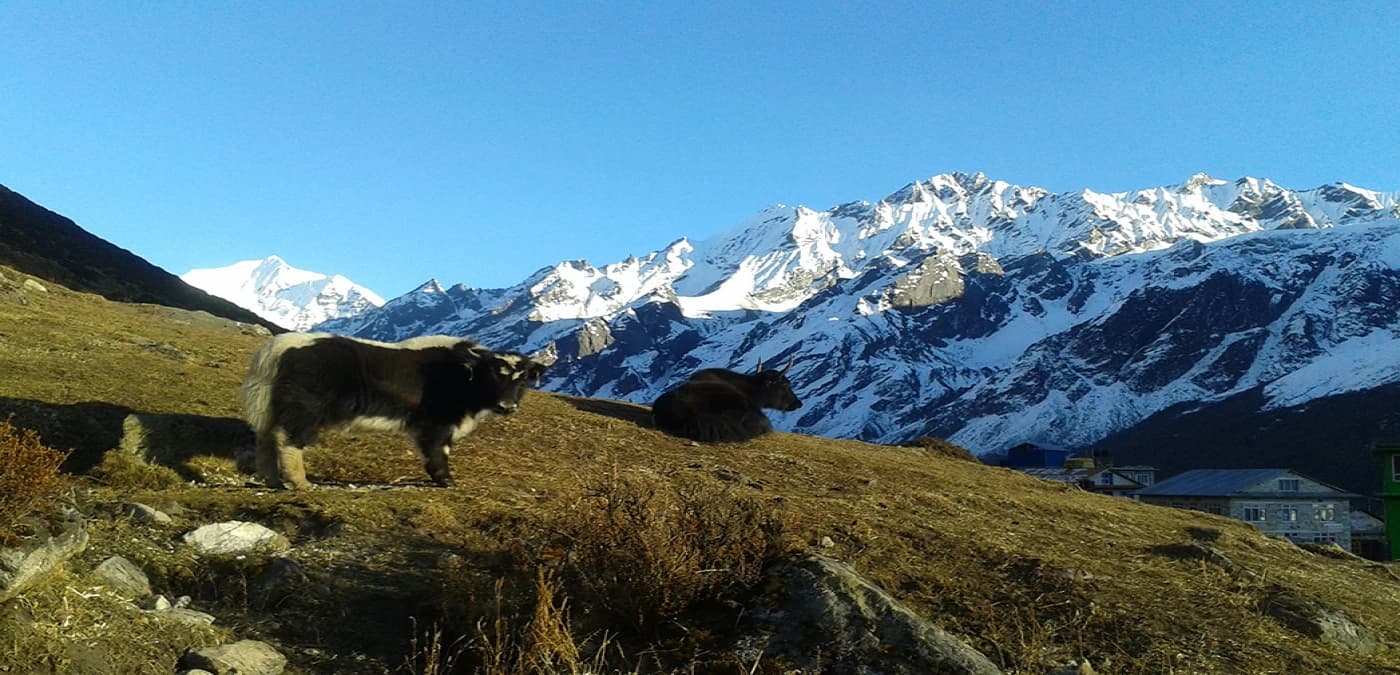
Beyul Dagam Namgo: The hidden valley of Langtang blessed by Guru Padmasambhava
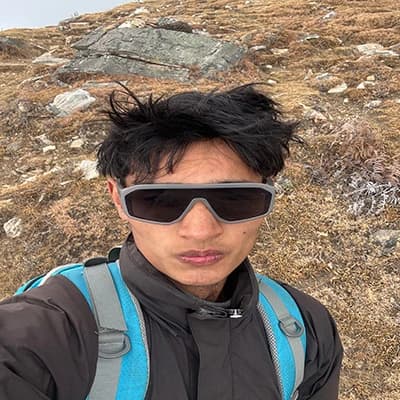
Oct 30th, 2024: Winter was on the verge of breaking through the hills of Kathmandu when we set off for the Langtang Valley, the long-awaited journey towards an unknown land that was attracting visitors solely with its beauty. I had heard stories, tales, seen photographs, and watched short clips, all of which praised how beautiful and captivating the whole Langtang Valley was. And finally, that awaited journey made its first step towards the years of hope and expectations.
The jeep departed from the heart of the Kathmandu Valley and was headed towards Syafrubesi in Rasuwa District, which is the gateway to Langtang Valley. After the long, exhausting drive, the day ended in a small hotel near the Trishuli River. For the rest of the trekking days, the trails of Langtang kept on mesmerising us and surprising us at every turn. The beginning of the trek went through dense forests and river valleys between hills, and slowly the valley opened into wide meadows near Langtang, as if the forests, hills, and nature were hiding and revealing something at the same time while the river led the travellers.
Although the 2015 earthquake brought a devastating misfortune to the Langtang Valley, claiming the lives of 10 Nepali army soldiers; 201 Nepalese, including 175 residents of Langtang; and 38 foreigners, a memorial site can be seen below the remains of old Langtang. Below this rubble lie centuries of history, monuments, hidden stories, and traditions of old Langtang, which instantly made me research the Langtang village and its old geographical photos, and among this information, I found the stories of the ancient tradition of dhomares, tertöns, and Beyul.
The Buddhist tradition states that during Great Guru Rinpoche’s journey to Tibet, his holiness practised in many places, caves, and forests and even blessed some places, which are known as 'Beyul', and Langtang is also known as such a place, which is believed to have been blessed by Guru Rinpoche.
But the question arises: what is the purpose of beyul, why was it chosen, and how is it found later? So, let’s get deeper into the world of spiritual reality and know what Beyul is.
Beyul: A land hidden from great chaos
During the 8th century, King Trisong Detsen invited Guru Padmasambhava to establish Buddhism in Tibet, through the suggestion of Śāntarakṣita. It is believed that Guru Rinpoche possessed such spiritual powers that he could subdue spirits and fly and had great powers that left handprints on stones. Now, these are beliefs, but what remains factual is that Guru Rinpoche was indeed an influential tantric who was invited to Tibet by its 38th emperor and successfully built Tibet’s first monastery, Samye Monastery.
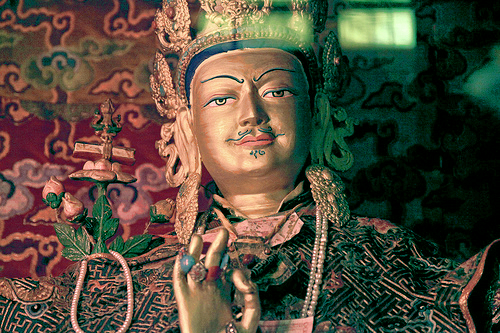
Photo: 38th emperor of Tibet Trisong Detsen—Wikipedia (source)
And during his journey to Tibet through current Nepal, he meditated in many places and blessed the lands, which are known as 'beyul' according to Buddhist traditions. Such places hold a great spiritual presence, and meditating or practising there when a person is ready leads to enlightenment.
The Beyul also holds another purpose; it is said that the places blessed by Guru Rinpoche are for sheltering lives during the great chaos and are kept hidden until discovered by the treasure revealers.
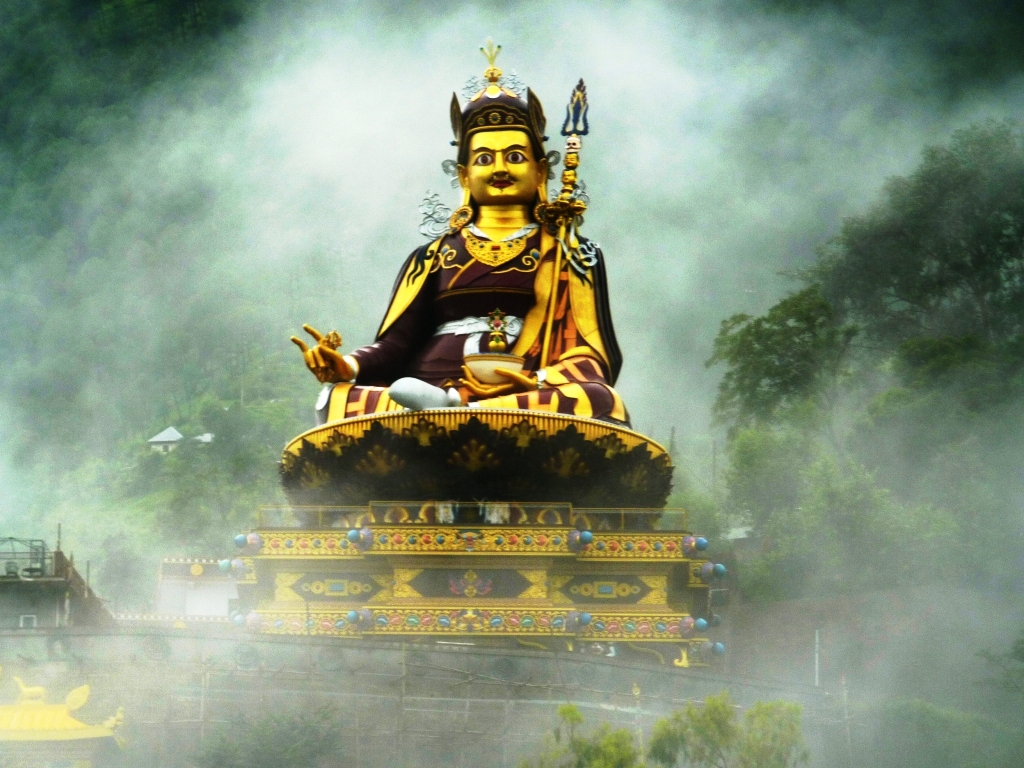
Photo: Statue of Guru Rinpoche (Pamasambhava) in Himachal Pradesh – Wikipedia (source)
So, what we know from the traditions is that a Beyul is a hidden valley or land blessed by the great tantric master Guru Padmasambhava, which holds great spiritual presence for meditating and sheltering during wars and times that threaten humanity itself.
Beyul Dagam Namgo: A hidden sky gate
According to Vajrayana Buddhist tradition, Langtang is known as Beyul Dagam Namgo—a sacred hidden land blessed by Guru Rinpoche, where the journey is said to lead toward a deeper spiritual reality. The name Dagam Namgo translates to a hidden sky gate or a concealed path that leads beyond the realm of mortals. The interpretation of Dagam Namgo differs with each author and narrator, but one thing is common: the name given to Langtang, Dagam Namgo, probably means it’s the gate to somewhere that is out of our reality.
But how did Langtang Valley become a hidden, blessed valley? Well, there are many interesting stories, oral histories, and interpretations from ancient Sanskrit. It is said that during his last journey to Tibet, Guru Rinpoche stayed in the Rasuwa district before crossing to Tibet, where he practised and meditated in many caves and blessed the entire district, and Langtang is particularly ripe with the blessing.
There is also another story of Dhomare traditions, which interprets the story with an ox and a nyak (female yak). And the ancestor of Dhomares, Mingyur Dorje Dhomare, who later solidified the story of Guru Rinpoche and Langtang as Beyul.
The story of Ox and Nyak
Centuries ago in Tibet, during a marriage ceremony, an ox and a nyak were to be sacrificed for the couple’s prosperity. The ox learned about the sacrifice and ran with Nyak from Tibet. While running away, Nyak disappeared near or around the Langtang region. To bring them back, Guru Rinpoche followed them and found the ox resting in the very place where the Langtang Valley used to be. The Guru found the place to be imbued with a strong spiritual presence and blessed the lands and prophesied it to be a sacred place for Dharma practitioners in the future. The ox later died at Langshisha Ri while returning to Tibet.
Now, according to the traditions, 'Lang' means 'ox' or 'bull', and 'Tang' means 'open lands' or 'meadows', which gave the village its name, 'Langtang'. Now, the tradition interprets the name in many ways. In sacred interpretation, Langtang is known as "the hidden land revealed by the ox", where the ox is not merely an animal; it is the guide that reveals the sacred valley.
So, what we do know is that Guru Rinpoche blessed the Langtang Valley during his visit to Tibet, or when he was in Tibet, or during his journey between Tibet and Nepal, according to tradition. But how will His Holiness's journey in Langtang and blessing the valley strengthen it? That’s where the history of the Dhomares and their ancestor, Mingyur Dorje Dhomare, comes into play.
The roles of tertön (Treasure revealers)
So far, we know what a beyul is and why Langtang is also known as a hidden valley, but the crucial information on how beyul lands are found is missing. The answer is 'tertön', or 'treasure revealers', who follow the prophecies and biography of Guru Rinpoche to discover the hidden lands.
According to the Terma tradition, a tertön is believed to be someone destined to uncover Guru Rinpoche's hidden treasures. The tradition is mainly centred on the Nyingma school of Tibetan Buddhism. The tertön who revealed the Dagam Namgo was a well-known, revered Tibetan Buddhist yogi and practitioner of the Nyingma lineage, Rigdzin Nyida Longsal, also known as Nyida Longsel (nyi zla klong gsal).
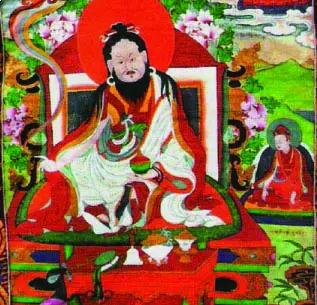
Photo: Great Terton Rigdzin Nyida Longsal - rywiki.tsadra (Source)
(In 1680, based on the guides first discovered around the 13th century, Rigdzin Nyida Longsal recognised the hidden valley of Langtang, where he saw the impression of Guru Rinpoche's dharma practices imprinted in the caves.) Upon his return from Langtang, he met a local named Domari and his son Mingyur Dorjé, who is important in the later stories of Dagam Namgo.
Source: (Nekhor, n.d.) - Nekhor
Dhomares of Langtang and their ancestor
Many centuries later, after the visit of Guru Rinpoche in Tibet, the ancestor of the Dhomares in Langtang, Mingyur Dorje Dhomare, had a terrible dream of a destructive war. To protect his family, Mingyur travelled in the plains of the Langtang region, where a small settlement of Tamangs existed.
(However, the tradition of Dhomares states that when he had a vision of the devastating wars, he threw his dagger into the air, which landed in the mountains of Langtang. Believing it to be a sign from his deities, Mingyur travelled with his family, a friend, and a mask of their deities. When Mingyur arrived in the plains of Langtang, a lama named Jho Rang Rik lived in Mundu, who tested the powers of Mingyur as a common practitioner and found out Mingyur was more powerful and fled the place. Locals later asked him to build a monastery there, but he refused to, and later his elder son built the Langtang monastery, and the younger one built the Kyanjin Monastery and gave the people of Langtang a means to pay tribute to their deities. Source: (Siwakoti, n.d.) – buddhistdoor.net
But how does this story solidify the claim of Langtang as a Beyul? Well, what we do know is that a beyul is a sacred hidden land with great spiritual presence, and the traditional story of Dhomares states that their ancestors threw their ritual dagger, which landed in the mountains of Langtang, which makes the story lean toward spirits and the supernatural. Now these are beliefs and oral traditions, but what remains factual is that Dhomares indeed came to Nepal from Tibet for shelter due to war, and it remains true to date, since there are many Tibetan refugee camps in Nepal and the existence of Kyanjin Gompa, which is the heart of modern Langtang trekking.
Kyanjin Gompa: The physical legacy of Dhomares
Approximately 6-7 kilometres from the Langtang village lies a forgotten historical monument and legacy of lost traditions, Kyanjin Gompa. Although the specific location is popular by its very name, most visitors focus on towering peaks, completely ignoring the centuries-old legacy that sits right beside them.
The trekking duration from the Langtang to Gompa was roughly 3-4 hours, and the landmark was a tall, dark, black rock. The Kyanjin Gompa had two other highlights aside from the two peaks: the cheese factory and the Kyanjin Gompa. For some reason, the cheese factory was more popular. Either way, I went to Gompa as well since the cheese factory was closed, and the monastery looked ordinary and worn down and had few to no artifacts. It was not properly maintained, and the main chamber was closed. I went back to my lodge without thinking about it much. Later, as I researched the Beyul, the chain of information made me instantly regret my stupidity. Here’s what I found about the Kyanjin, which actually does connect to the Dhomare traditions and Beyul.
Built by the younger son of Mingyur Dorje Dhomare, the monastery's exact foundation date is unknown. The clan artifacts, like sacred Thankas (scroll paintings) inside the monastery walls, are estimated to be roughly 400 years old. While the clan’s record dates the monastery at approximately 600 years old after the early generations of Mingyur Dorje Dhomare. What truly can be dated or considered as recorded history are the 13 clay statues of the Dhomare ancestors, who were the heads of the monastery in each generation.
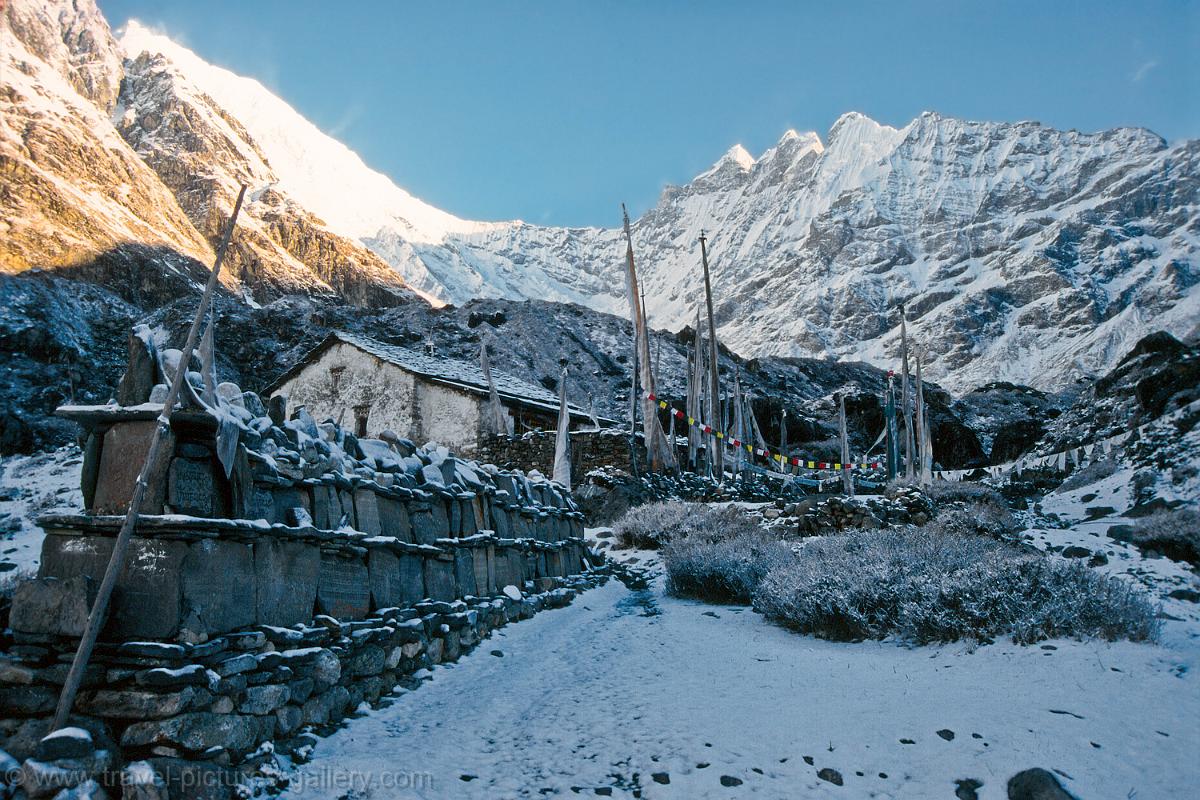
Photo: Kyanjin Gompa – Travel picture gallery (Source)
Although the monastery date is debatable, the existence of Dhomare traditions is factual and has been neglected. The monastery that has witnessed centuries and carries the history of generations, where the location itself is named Gompa (Monastery), is nearly in denial. Former heads of the monastery have also reported that sacred tools and artefacts of the monastery have been stolen and reconstruction is being neglected, which makes me wonder, for what exactly are we travelling to a sacred valley if the heritage itself is left to crumble on its own?
The irony of Langtang and the 2015 earthquake
In April 2015, at 11:56 AM on Saturday, when every Nepalese household was spending their weekend together, there was a massive earthquake of 7.8 magnitude. The aftershock of the earthquake hit multiple districts after April 25th.
On that very day, Langtang Village had a cruel fate tied to it. A massive avalanche from Langtang Lirung swept the whole village, leaving a single house on site. Since it was a trekking season in Nepal, hundreds of visitors were trekking in the Langtang region, some heading to Langtang, while others were returning, and unfortunately, hundreds of trekkers were staying at Langtang. The official memorial site in Langtang states, “The calamity entirely entombed the Nepal Army’s security base, claiming the lives of 10 valiant soldiers, while 201 Nepali people, including 175 residents of Langtang village and 38 international trekkers, lost their lives.”
As I crossed Mundu around 5 PM, the valley was covered in total mist, and my friends were still around Thangsyap. I looked at my digital map to know how much distance was left to reach Langtang and kept walking until I saw a huge landslide. It was raining at that time, and the stream from the Langtang Lirung made its way through the huge boulders and debris. The trail was rough and slippery, and I carefully made my way through the river and saw a small monument or mani-wall with flowers and inscriptions. I went there, rested my bag, and went to read; it was a memorial monument for the departed souls. It instantly hit me that this wasn’t any regular landslide but the very same avalanche that took hundreds of lives, and where I stood was once the bustling village of Langtang. What remained of centuries of history was a memorial stone and a single intact abandoned house, which was at the very top of the landslide under the hills. Maybe the cave-like structure above the house saved it from such calamity, and it makes me wonder now, was it the village that was beyul or that house under the cave-like structure?
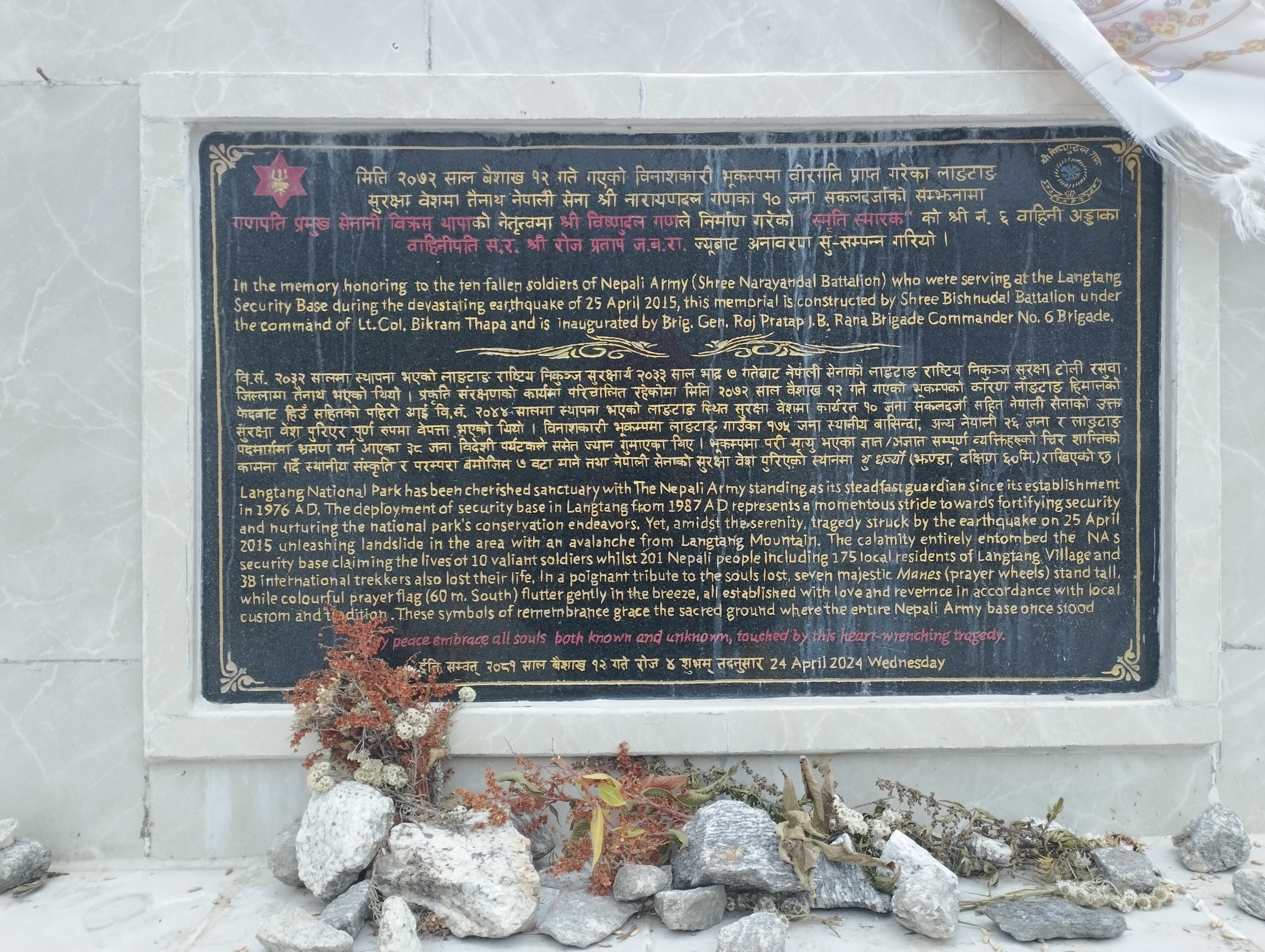
Photo: Memorial stone for the departed souls.
The very place, the village, and the land once blessed by the Guru Rinpoche, known as the safe place for Dharma practitioners and hidden from the great chaos, became the very tomb for people during the chaos.
On the drive back to Kathmandu, most people remember the snowy peaks and unique settlements of Langtang — and mostly, so did I. But my mind, for most of the time, was stuck on that single house, alone and abandoned, as if the time had stopped at that exact house. As I still didn’t know about Beyul and the journey of Guru Rinpoche from the Langtang Valley, that single house made me research the old village and find out the traditions and lost, forgotten histories. Maybe I still wonder; that house is the beyul which led to my finding.
How to get to Langtang Village and Kyanjin Gompa?
The Langtang trek is a moderate and most accessible trekking destination. The trek typically starts from Syafrubesi and follows the Langtang Khola upstream. Bus and EV vehicles for Syafrusbei depart from Machhapokhari, Kathmandu, as early as 7:00 AM. Once you reach Syafrubesi, follow the new trail of Langtang via Pahiro and Bamboo. The trails are easy to navigate since they are well maintained, popular, and carefully marked. Or you can use a navigation app (Osmand), which I personally used when travelling to Langtang.
If you’re looking for the Langtang Trek Package, you can also visit our page, which gives a detailed itinerary, cost inclusions, logistics and key information about the trek.

Need Help? Call Us+977 9851042153orChat with us on WhatsApp
Latest Travel Blogs
Need Help? Call Us+977 9851042153