Nepal Trekking Travel Insurance: A Complete Guide to Coverage and Cost
When planning a big trek in Nepal or climbing peaks, besides trip cost and round-trip flight fare, travel insurance is no longer optional if you choose a trek like Manaslu Circuit or Upper Mustang in Nepal’s restricted area; the Nepal Government has made it mandatory since March 2026. Before working with you for helicopter rescue services, a trustworthy and genuine trekking agency will ask you to check your policy.
And though it is still optional in trekking routes such as the Annapurna Circuit or Langtang Valley, having reliable travel insurance is important for peace of mind and trekking joyfully. What happens when altitude sickness strikes at 5,000 meters, and you're miles away from the closest clinic? A helicopter rescue from Everest Base Camp may cost USD 5,000 to USD 8,000 if you're paying out of pocket. That's not a hypothetical scenario. It's the reality many trekkers face when they don't have proper insurance coverage.
In this blog, we will explain everything you need to know about Nepal Trekking insurance before heading to the destination.
Nepal now requires proof of insurance to obtain trekking permits.
Yes, it is! The Nepal Department of Immigration (DOI) requires a travel insurance policy to get trekking permits. Your policy basically has to cover high-altitude emergency helicopter rescue (up to 6000 meters above sea level) and medical expenses. For the travel insurance, most trekkers pay USD 100 to USD 300, depending on trip length, altitude, and the age of the policyholder.
Enforcement at remote checkpoints varies, but that's not really the point. Helicopter rescue services and an honest trekking agency will ask to see your policy before they work with you. Without valid coverage, a single rescue flight can cost a considerable amount out of pocket.
And many people bring travel insurance, but they don't realize that having insurance and having the right one. Having the right insurance that must cover altitude requirements, which providers actually deliver when you need them, what you should expect to pay, and the specific coverage details that matter when you're days away from medical help.
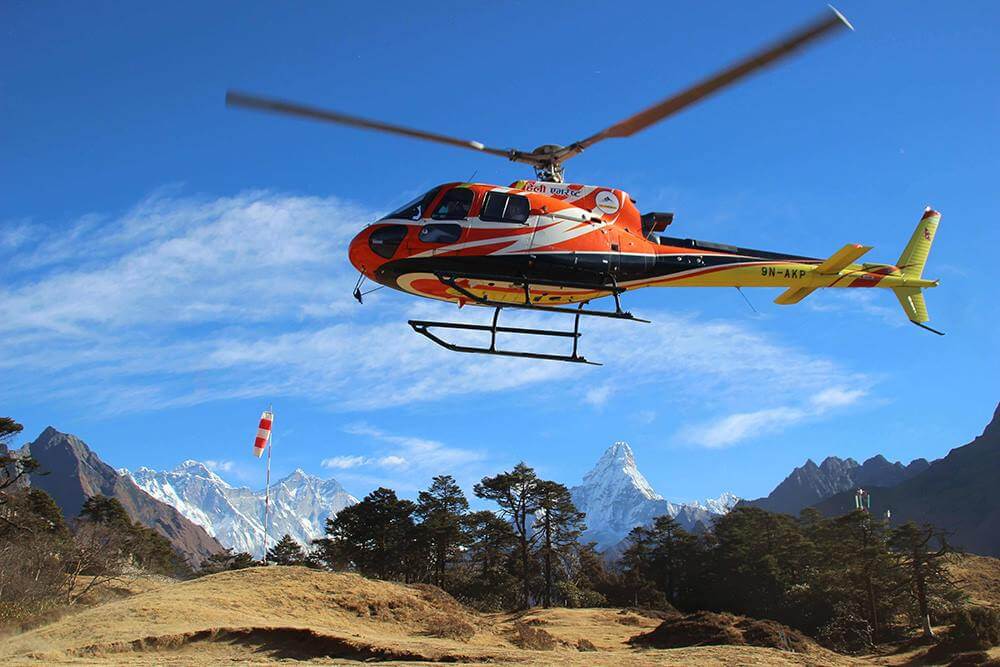
Nepal's trekking routes pass through some of the highest and most remote terrain on Earth. When altitude sickness strikes above 4,000m, or an injury occurs on some trail days from the nearest road, a helicopter evacuation is often the only safe option. Without proper coverage, the rescue costs range from USD 3500 to USD 10,000, which can be a really considerable amount when paid entirely out of pocket.
Why Standard Travel Insurance Fails for High-Altitude Nepal Treks
Standard travel insurance is often insufficient for high-altitude trekking in Nepal. Most basic policies exclude coverage above elevations of 3,000 to 4,000 meters, placing iconic treks such as Everest Base Camp, Annapurna Circuit, Manaslu Circuit, and other popular Himalayan routes beyond their scope of protection.
Once you exceed the policy's altitude limit, your coverage may no longer apply when you need it most. This can leave you responsible for helicopter evacuation costs that can exceed USD 8,000, emergency medical expenses, trip interruptions, and other unforeseen costs. Many trekkers discover these exclusions only after an emergency occurs.
For this reason, it is essential to purchase a policy that specifically covers high-altitude trekking, helicopter rescue and evacuation, and emergency medical treatment at the maximum altitude of your trek. The right insurance provides not only financial protection but also peace of mind while exploring Nepal's remote mountain regions.
Price From
US$1299
US$1430
The most searched trek in the world!
Helicopter Evacuation Coverage: What Nepal Trekkers Must Check Before Buying
Trekkers in Nepal must ensure their travel insurance explicitly covers high-altitude helicopter evacuation up to 6,000 meters and specifically names "trekking" as a permitted activity. Standard policies often cap coverage at 3,000 meters, leaving you personally liable for rescue bills that frequently exceed US$ 5,000. Always verify the following essential checkpoints with your provider before purchasing:
- Altitude Limits: Most basic travel insurance policies only cover up to 3,000 meters. Because popular routes like Everest Base Camp (5,364m) and Thorong La Pass (5,416m) sit well above this, you must select a specialized adventure sports or trekking add-on that covers elevations up to at least 6,000 meters.
"Trekking" vs. "Mountaineering": Confirm how your policy categorizes your adventure. Many insurers distinguish between trekking (walking on established trails) and mountaineering (requiring ropes, ice axes, or crampons). Ensure your policy defines your specific route as covered
- Evacuation Triggers & Direct Billing: A helicopter rescue in Nepal usually requires upfront cash or a payment guarantee before the aircraft takes off. Check if your insurer has a direct-billing agreement with local helicopter operators in Nepal. Clarify if the policy requires you to call their 24/7 emergency line for prior authorization before initiating a rescue, or if coverage applies automatically in life-threatening situations.
- Altitude Sickness (AMS)Treatment: Emergency treatment for Acute Mountain Sickness (AMS), High Altitude Pulmonary Edema (HAPE), and High Altitude Cerebral Edema (HACE) is common in the Himalayas. Verify that altitude-related illnesses are explicitly covered under emergency medical treatment.
- Policy Limits and Deductibles: Ensure the emergency medical and evacuation coverage minimum is at least $100,000 to $200,000. Be aware that many providers apply a separate deductible (often $500) specifically for helicopter airlifts.
- Mandatory Requirement for Permits: As a legal requirement, you must show proof of valid travel insurance covering medical evacuation and high-altitude trekking to obtain trekking permits in Nepal. Reputable local agencies will also verify this before taking you on a trek.
Comparing Nepal Trekking Insurance Providers: International vs Local Nepali Policies
When comparing policies, well-known providers highly recommended by the worldwide trekking community for Himalayan journeys and climbing expeditions include:
- World Nomads
- Global Rescue,
- True Traveller, and
- Battleface.
- Snow Card
Are the recommendations of the global trekking community high-priced? There are local low-priced insurance companies now based in Kathmandu that are getting popular among budget trekkers and adventurers:
- ASC360 & Nepal Trekking Insurance: ASC360 is a specialized travel insurance plan designed for trekkers and adventure travelers.
-
Himalayan Guardian Nepal Pvt. Ltd: Himalayan Guardian Nepal (HGN) offers travel safety, altitude-tiered insurance, and emergency rescue for trekkers and mountaineers. Its government-approved CTG system is Nepal’s first tourist-specific insurance program.
- Alpha Global Solution: Alpha Global Solution can be a good option if you consider local adventure trekking insurance for short-term trekking insurance in Nepal
These local insurance policies are said to be low-priced, so you can save a hundred bucks. You can explore the best policy at the best price guaranteed.
Note: Always read the exact policy wording in full before buying, as terms and geographic limitations are subject to change, and focus on the pros and cons of local vs international Insurance.
Price From
US$1799
US$1899
Remote Wilderness Trekking
How to File a Successful Claim After a Nepal Trekking Accident or Illness?
Focus: Step-by-step guide—documenting incidents, retaining receipts (hospital, helicopter), communicating with insurers from remote areas like Gorakshep or Manang in the Annapurna Circuit Route. Your touring agency will assist in claiming it right away.
High Altitude Trek in Nepal Coverage requirements:
Everest Trekking:
Any traditional Everest Trek that reaches above 5000 requires coverage in case of Kala Patthar, Everest Base Camp, or Gokyo Valley Trek for its oligotrophic lakes in Nepal's Sagarmatha National Park.
Everest Ultimate Trek, commonly known as the 3 Passes Trek, includes three high Passes (Renjo La, Chola Pass, and Kongma La Pass) all above 5000 meters, and the full route, with any side trips to viewpoints like Gokyo Ri and Kala Patthar, etc., above five thousand meters.
Round Manaslu trek in Gorkha
The Manaslu trek in the restricted area of the northern Gorkha route goes over 5160 meters high Larkya La Pass, requiring an insurance policy to obtain special permits. If you are considering the Manaslu Circuit trek, ensure your policy covers the full altitude range and that you've arranged the necessary permits well in advance.
Annapurna Region Routes:
The legendary Annapurna Circuit Trek crosses Thorong La Pass at 5,416m—one of the highest points on any standard trekking route—while the Annapurna Base Camp trek reaches a lower elevation of 4,130m. A 5,000m altitude policy comfortably covers both options.
Price From
US$1099
US$1200
Best monsoon trek
Book your dream trip with Wilderness Excursion or talk to our expert.
WhatsApp:+977 9851042153
Email: [email protected]