


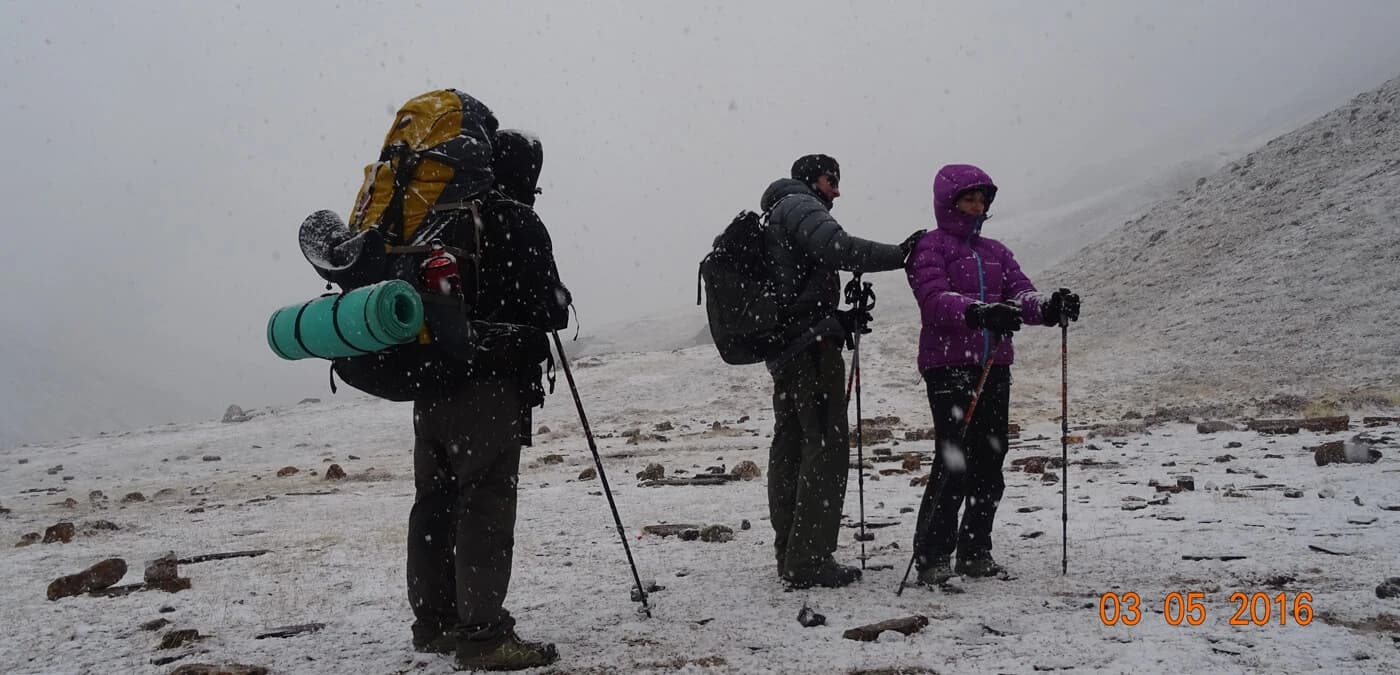
Trekking Guide and Porters

This Blog is intended for Mountain porters in Nepal, who are some of the strongest men and women on earth. These mountain heroes carry loads for the trekking and expedition industry, working for only a few dollars a day. Porters can be seen carrying loads of over 60 kg at altitudes exceeding 5,000 Meters. This is often done in cotton jackets and sandals. Porters are typically lowland farmers who migrate to the popular trekking routes in search of work. The money they earn while trekking is essential to the cash-starved local economies of rural Nepal.
Tragically, too many porters die every year while trekking from preventable altitude sickness, falls, and hypothermia. Still others are crippled by snow blindness and frostbite. Trekking porters, who are the real backbone of the trekking industry, are working under low basic rights and facilities. There is still a lack of appropriate clothing, shelter, a good wage, a load limit, and provision for treatment.
The problems faced by the trekking industry flow on to Nepal’s porters and guides, who have greatly decreased work opportunities. Porters and guides are struggling for survival of themselves and their families. This only adds to the long-term problems with which porters are faced daily: lack of recognition of basic human rights, including education, safe working environments, basic health care, living wages, and, perhaps simplest but most fundamental of all, a widely observed load limit.
Some trekking agencies are often unwilling or unable to provide their porters with even the most basic facilities, and many mountain porters have limited education, and some possess little or no literacy skills. Porters, being unorganized and desperate for work, are unable to speak out against those who exploit them. This is why they are often vulnerable to exploitation and lack the confidence to speak up for their rights.
As we understand and realize, porters are the real backbone of the Nepali trekking industry, and a weak backbone cannot carry a heavy load for very long. To improve the working conditions and to create a sustainable future for Nepali trekking porters, Nepalese trekking companies have the key responsibility and opportunities to create a brighter future for porters if we become interested in giving a small amount of care and commitment.
Considering this fact, dedicating ourselves to improving the guide and porters working conditions and dreaming to set an example to the trekking operators and trekkers, we have established a trekking company called Wilderness Excursion with the vision “A world in which trekkers experience the magnificence of the Nepali Himalaya and its people while porters and their families live with economic, social and environmental justice,” and our efforts are aimed at creating a strong backbone for the trekking industry.
Better working conditions and basic human rights of the porters and field staff are the cornerstone of the company.
1 review
22 Days
Price From
US$3699
US$3759
Wilderness Excursion follows these guidelines and encourages all stakeholders to follow them also:
- Porters must be hired through formal contracts with clear terms and conditions for insurance, wages, load limits, accident/disability treatment provisions, and other facilities. Before hiring porters and other staff, health checkups must be provided.
- Required equipment must be provided to porters and other field staff, for example, sleeping tents, protective clothing, carrying equipment, and kerosene for their own use.
- Porters and other field staff must be provided the same standard of medical care as the client will be provided. Porters and other field staff must not be paid off because of illness, and the staff leader must have the authority to use the medical expenses for porters while they are sick.
- Porters must not be allowed to carry more than 30 kg loads at low altitude and 25 kg in high altitude, including personal allowance.
- Guides and other field staff must be provided at least 1600 to 1800 NPR per day in the teahouse trek and 1800 to 2000 NPR per day and food in camping treks and adventure high altitude treks.
- Porters should be provided training in first aid, health and safety issues, altitude sickness, management of emergency situations, general health and hygiene, reproductive health education (HIV/AIDS/STI), English language, local flora and fauna, and history. Focus will be given to those porters who are interested in higher career and personal development in the Nepal Trekking Industry.
- Membership in porter unions and associations should be encouraged and supported, allowing porters to voice their own needs and concerns.
- Wilderness Excursion empowers women by providing jobs and training as porters, porter cum guides, and guides.
- We say "no" to labor exploitation.
As equal to the Trekking Company, foreign trekkers also have a strong role and opportunities for the well-being of Nepali trekking guides and porters. Hiring a guide and porter is the most direct means a foreign trekker has of contributing to the rural economies of Nepal. Over time, portering has fed more people in Nepal than any other industry, and porters need employment now more than ever.
Also, as a valued paying client, you possess a great opportunity to advocate for the rights of the porters you hire. By employing guides and porters and taking direct steps to ensure that they are given a standard of treatment that you would expect for yourself, you will be setting a strong example for other trekkers and tour operators to follow.
7 reviews
14 Days
Price From
US$999
US$1099
Top-Rated Trekking Experience
Talk openly with your trekking company about porter treatment standards. Place yourself in Porter's shoes (or sandals), and make sure they are being properly provided for. Some appropriate questions may be:
- Where will the porters sleep?
- Will they be provided with adequate clothing?
- Are they provided with adequate rescue and medical insurance?
- Are they provided with food? If not, are they paid enough to ensure proper nutrition on the trail?
- How much weight will they be required to carry?
Providing for your porters costs money, so don’t be stingy. A few dollars per day can make a great difference in the facilities available to your porters. Make sure your porters will be taken care of before you leave on your trek, and if your company cannot provide what you ask, find another company. Also, when it comes time to tip your guide and porter (generally around 25% of their wage), be sure to tip them directly. Unneeded clothing and equipment make a nice addition to your tip as well. Overall, set an example for other trekkers to follow. Treat your porters well, and spend time with them sometimes. Get the addresses of your porters after the trek and send them photographs; they will appreciate the gesture more than you can imagine. Lastly, try picking up a load yourself during your trek—it won’t take long to see how amazing these men and women truly are.
Need Help? Call Us+977 9851042153orChat with us on WhatsApp
Latest Travel Blogs
Need Help? Call Us+977 9851042153