The story of the sleeping beauty of Everest is a tragic story of Francys and Sergie Arsentiev, mainly focused on Francys Arsentiev. A 40-year-old American woman set to accomplish an unprecedented achievement, and the tragedy that followed.


Sleeping Beauty of Everest: A tragic story of Francys Arsentiev
The 1998 Northeast Ridge Everest Expedition
In May 1998, a historic achievement was unfolding: Francys Arsentiev set the record by summiting Everest without supplemental oxygen, a dedicated expedition team, and Sherpa assistance. But a twist of fate allowed Melissa Arnot Reid to become the first American woman to successfully summit Everest and survive the descent without supplemental oxygen in 2016, a decade later.
But what happened at the 1998 summit that led to Francys being known as the “Sleeping Beauty of Everest” for decades after her death?
The Story of Francys Yarbro Distefano-Arsentievand Sergie Arsentiev
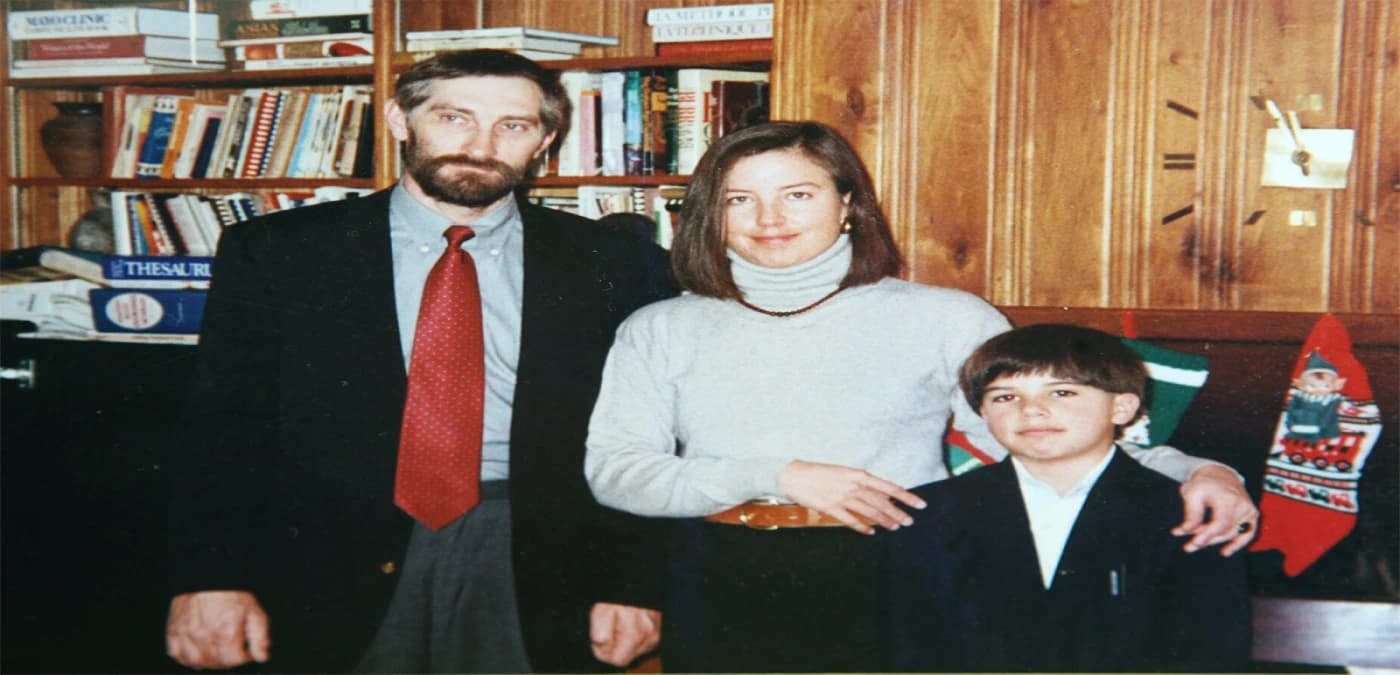
Francys Arsentiev, daughter of John Yarbro and Marina Garrett, was born on January 18, 1958, in Honolulu, Hawaii, USA. Grew up between the USA and Switzerland; she worked as an ordinary office worker (an accountant) in Telluride, Colorado, during the 1980s, where she later met Sergei.
Sergei Arsentiev was already an accomplished climber in his home country, Russia, where he was nicknamed the “Snow Leopard”. Having summited all the highest peaks of the former Soviet Union and made a notable no-oxygen ascent of the Annapurna’s north face, sources state that they also met on Annapurna I in 1991, though there is no definite source for where they met; they did marry in 1992.
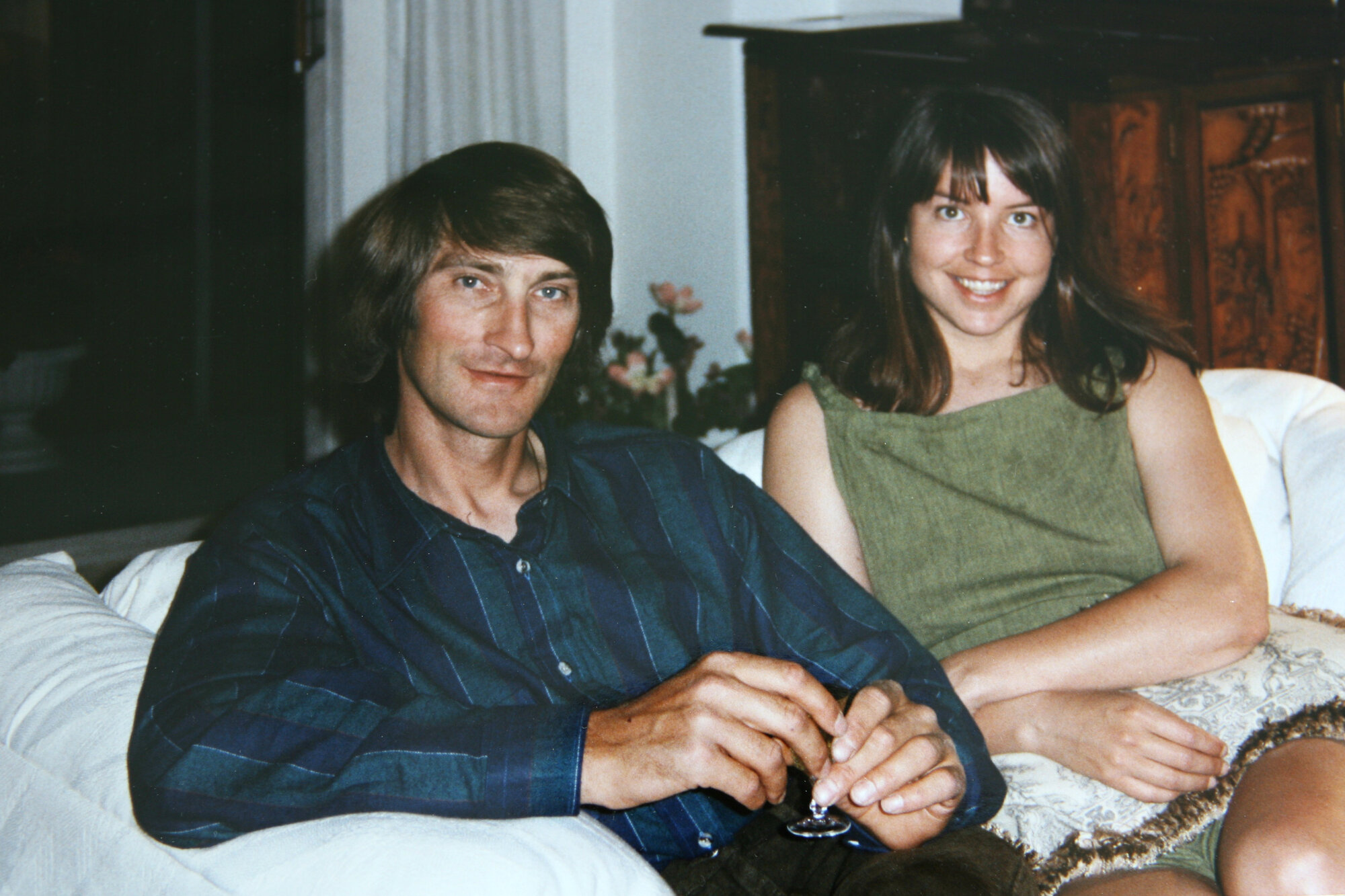
Photo: Francys and Sergie Arsentiev – Digitaldenverlibrary
Before marrying Sergie, Francys already had a son, Paul Distefano, from her previous marriage to Johan Abel. Paul was around 11 years old during her Everest expedition and has spoken publicly about his mother, including the quote: “I don't know why she decided she had to do it without oxygen, but I think she felt like she needed to prove something."
The couple climbed extensively together, including the first ascent of a 5,800-meter peak in Russia, which they named “Peak Goodwill”, and Denali via the West Buttress; the climb they used as a training ground for the Everest attempt. She also became the first US woman to ski down Elbrus and summited its East and West peaks.
Later, in May 1998, the couple arrived at Mount Everest Base Camp on the North side to achieve something far greater.
The 1998 Everest summit: What happened during the summit and the aftermath?
The summit attempt
In May 1998, Francys and Sergie Arsentiev arrived at the Everest Base Camp, and on May 17th they ascended from the Advanced Base Camp to the North Col and reached 7,700 meters. On May 19th, they climbed to near 8200 meters; Sergies reported that they were in good shape and were going to attempt the summit on May 20th at 1:00 AM.
On May 20th, after spending a night at Camp 4, they started their summit but turned around at First Step after a reported headlamp failure. On May 21, they again stayed at the Camp, after ascending only 50-100 meters before turning back.
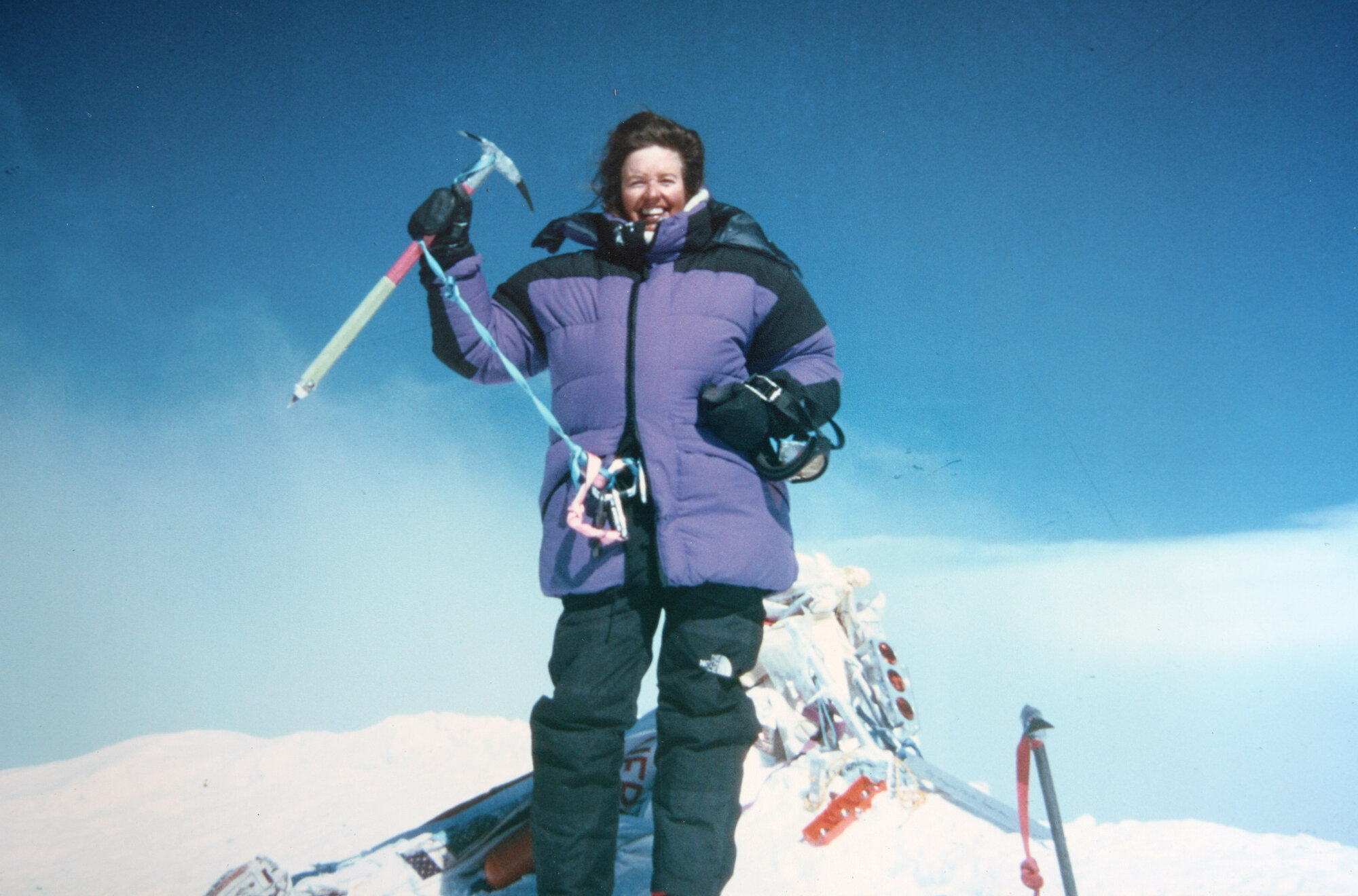
Photo: Francys Arsentiev - Digitaldenverlibrary
The summit and descent
On May 22, they finally began their ascent after two failed attempts. Due to the absence of supplemental oxygen, they moved slowly and reached the summit late in the day, which was the most dangerous time. Most Everest attempts are made early, not in the morning but in the middle of the night, not because it is preferred or easier at night, but because it’s the mathematical result of working backward from the “2 PM rule”. It needs you to be off the summit and start descending by early to mid-afternoon, and the round trip takes 10-14+ hours, so the start time is forced backward somewhere around midnight to 1 AM. But why start descending before the early afternoon? See, afternoon weather is unpredictable, winds intensify, visibility vanishes within a minute, and temperatures are already brutal. Over 80% of fatalities occur during the descent, not the climb.
In the Arsentiev cases, this exact rule went wrong. Since the couple had no supplemental oxygen, they began their ascent slowly to use as little oxygen as possible from their only oxygen tank. This attempt delayed their summit, which forced them to spend the night in the open death zone, and during the course of the evening descent, the couple was separated. Sergie made his way to camp the following morning but found that his wife hadn’t arrived yet. Knowing the emergency, Sergie immediately went for her rescue, carrying oxygen tanks and necessary medicines.
The following morning, May 23, an Uzbek team heading for the summit encountered Francys a few hundred meters from the summit. They abandoned their summit and assisted her; she was already half unconscious, affected by oxygen deprivation and frostbite. The team carried her down as far as they could, until they ran out of their own resources and were too fatigued to continue the rescue, which forced them to leave her there; she was still alive. During their descent to camp, they encountered Sergie, and it was also the last time he was seen alive.
The aftermath: What happened to Francys and Sergie?
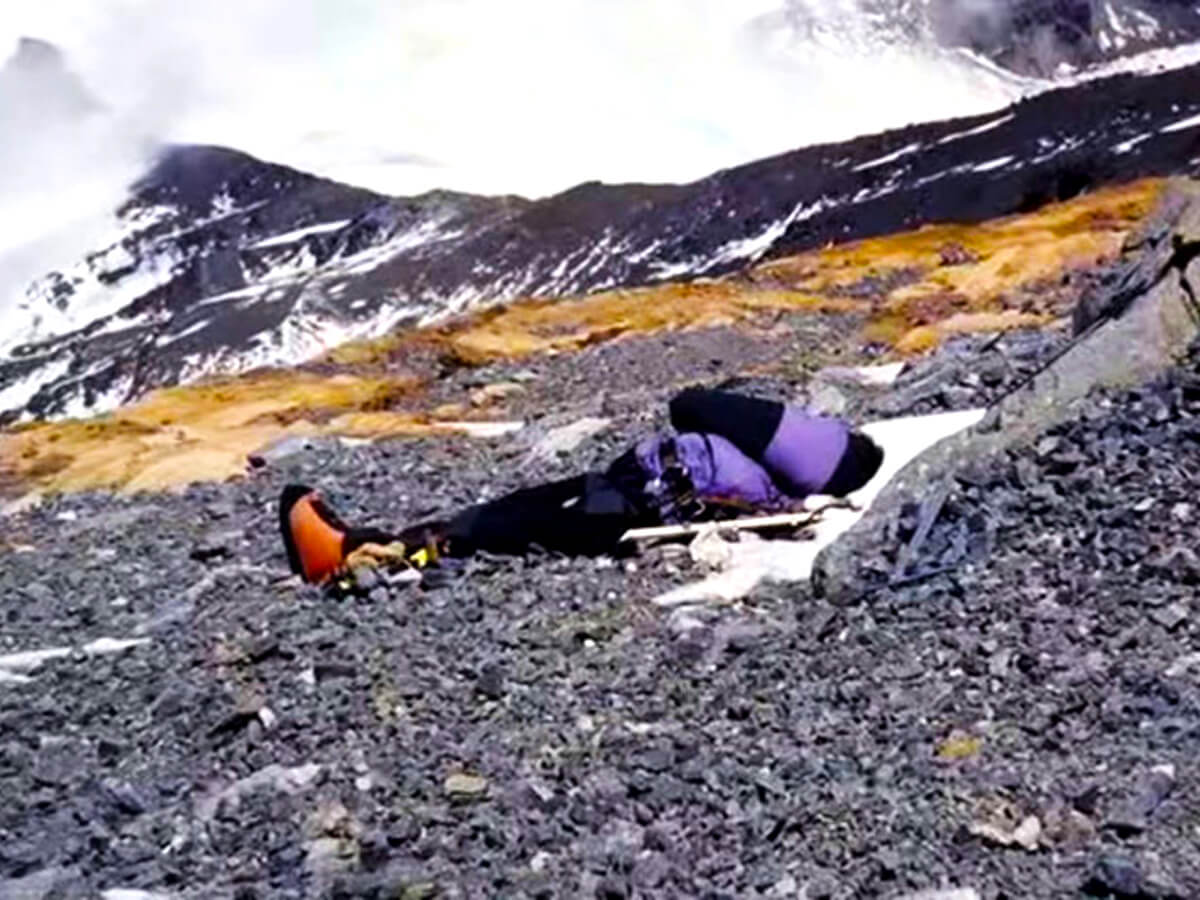
According to the source “The Guardian”, the following morning, May 24th, Ian Woodall and Cathy O'Dowd encountered Francys still clipped to the guide rope. After having multiple thoughts, O’Dowd decided to check up on her. As she knelt cautiously, Francys murmured: “Don’t leave me”. Next to her was an oxygen tank of Russian make and a mask, but the bottle was empty. She called her team back and tried to help her for more than an hour, but due to extreme frostbite and oxygen deprivation, Francys was beyond normal help. During the rescue attempt, the Uzbek team arrived back and asked them for help, but she was too far gone. She died as she found her, clipped to the guide rope, lying on her side, as she was just resting there, skin white and pale from frostbite, as if sleeping peacefully with a resting face. Climbers later gave her the nickname “Sleeping Beauty of Everest”.
In 1999, Jake Norton, a member of the “Mallory and Irvine” expedition, discovered Sergei's body lower on the mountain, apparently dead from a fall while rescuing his wife, solving the disappearance of her husband.
Why was she called “Sleeping Beauty of Everest”?
From the time of her death in 1998 until the humanitarian expedition in 2007, the body of Francys Arsentiev was visible from the route to climbers. To climbers, she looked like she was peacefully resting, probably because she died from oxygen deprivation and died after being unconscious for a while.
Climbers describe that she wasn’t dead but rather sleeping or resting there, with no visible pain in her expression, as she died while laying on her side, her posture made it seem like she was sleeping, which later earned her the nickname “Sleeping Beauty of Everest”.
What happened to Francys' body after her death?
From her death in 1998 to 2007, Francys' body was plainly visible to climbers for nine years. In 2007, Woodall led an expedition, “The Tao of Everest”, to bury the body of Francys Arsentiev and then the unidentified body of “Green Boots”, who were clearly visible from the climbing route. After a brief ritual, Francys' body was moved to a lower, out-of-the-way location.
Need Help? Call Us+977 9851042153orChat with us on WhatsApp
Latest Travel Blogs
Need Help? Call Us+977 9851042153