Want to plan your Langtang Valley Trek but don’t know where to start? This blog guides you through what you need to know about the Langtang Trek and logistics for trekking.


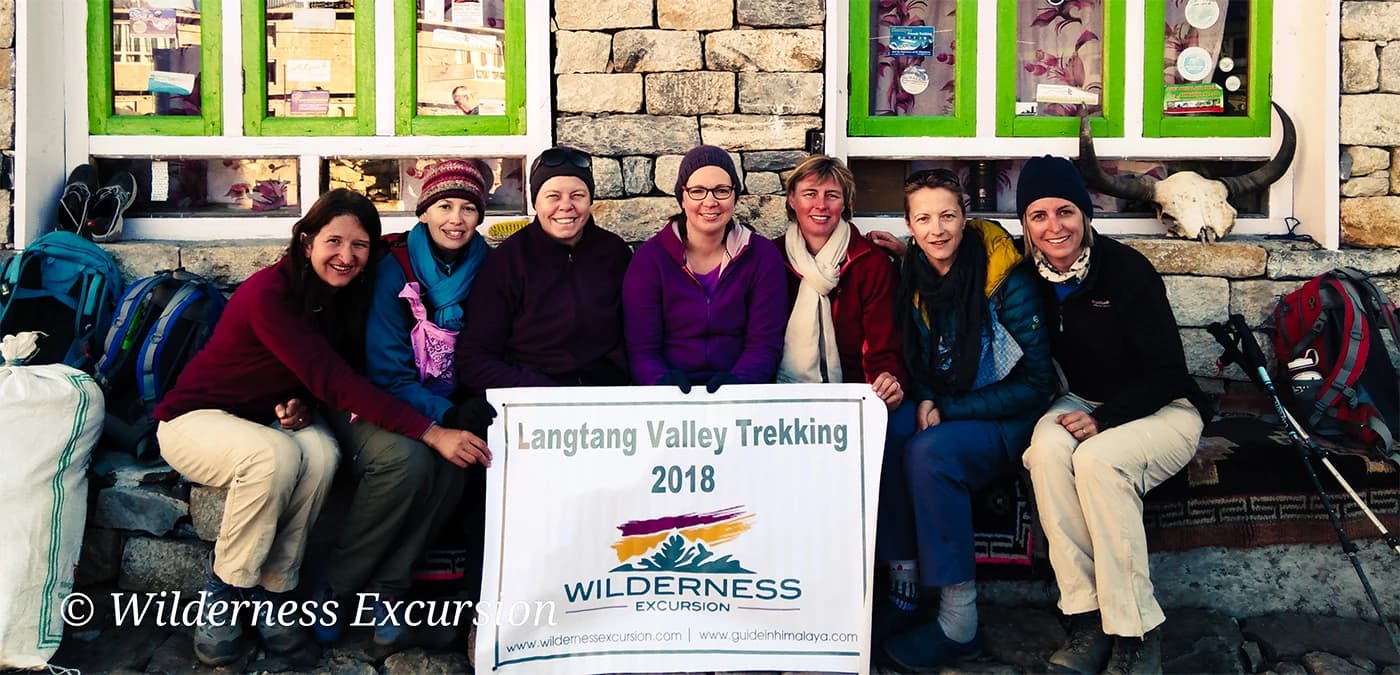
Complete guide to Langtang Valley: Everything you need to know about routes, itineraries, permits, and online bookings.
Introducing the Langtang Valley Trek
Tucked in the Himalayas of the Langtang Range, North of Nepal and northeast of Kathmandu, the Langtang Valley trek is a Himalayan adventure activity of traveling through the rainforest, rivers, hills, and glaciers of the Langtang region, where you walk for days to weeks and experience the authentic experience of travelling on foot. Okay, let’s not preach to you about trekking in general.
Langtang village is a large settlement of Tamangs (the tales in Beyul Dagam Namgo say that Dhomares migrated from Tibet, while there were already locals living where Langtang is), mixed with Dhomares, believed to have migrated from Tibet. A truly beautiful village, not just for its natural scenery but also for its hidden stories and cultural aspects of the village and the surroundings. The transition of vegetation from the lower regions in a short duration, and welcoming fluttering prayer flags with mani walls separating the trails like road signs, truly pique the curiosity of travelers.
To experience these authentic cultures and religions, trekkers flocked to the valley, and the place, Langtang, eventually became a commercial trekking hub that began as a rough foot-travelling activity. The trails that lead to the village and the years and centuries of history of indigenous peoples make Langtang Valley the most popular short trek from Kathmandu.
Protected by Langtang National Park, the region is rich in biodiversity; even on trails, you may spot rare and protected wildlife, while you can still see common langurs and blue sheep in the hills. But of course, being able to see these animals is also not common, which shows how you can truly experience the wilderness in Langtang.
Multiple trekking options have similar highlights since the major part of the Himalayas is occupied by Himalayan tribes like Sherpa and Tamang, who share similar religions and beliefs, and are mostly covered with wildlife, but Langtang also fulfills other important aspects, like accessibility and being wallet-friendly; you do not have to empty your pockets to visit Langtang.
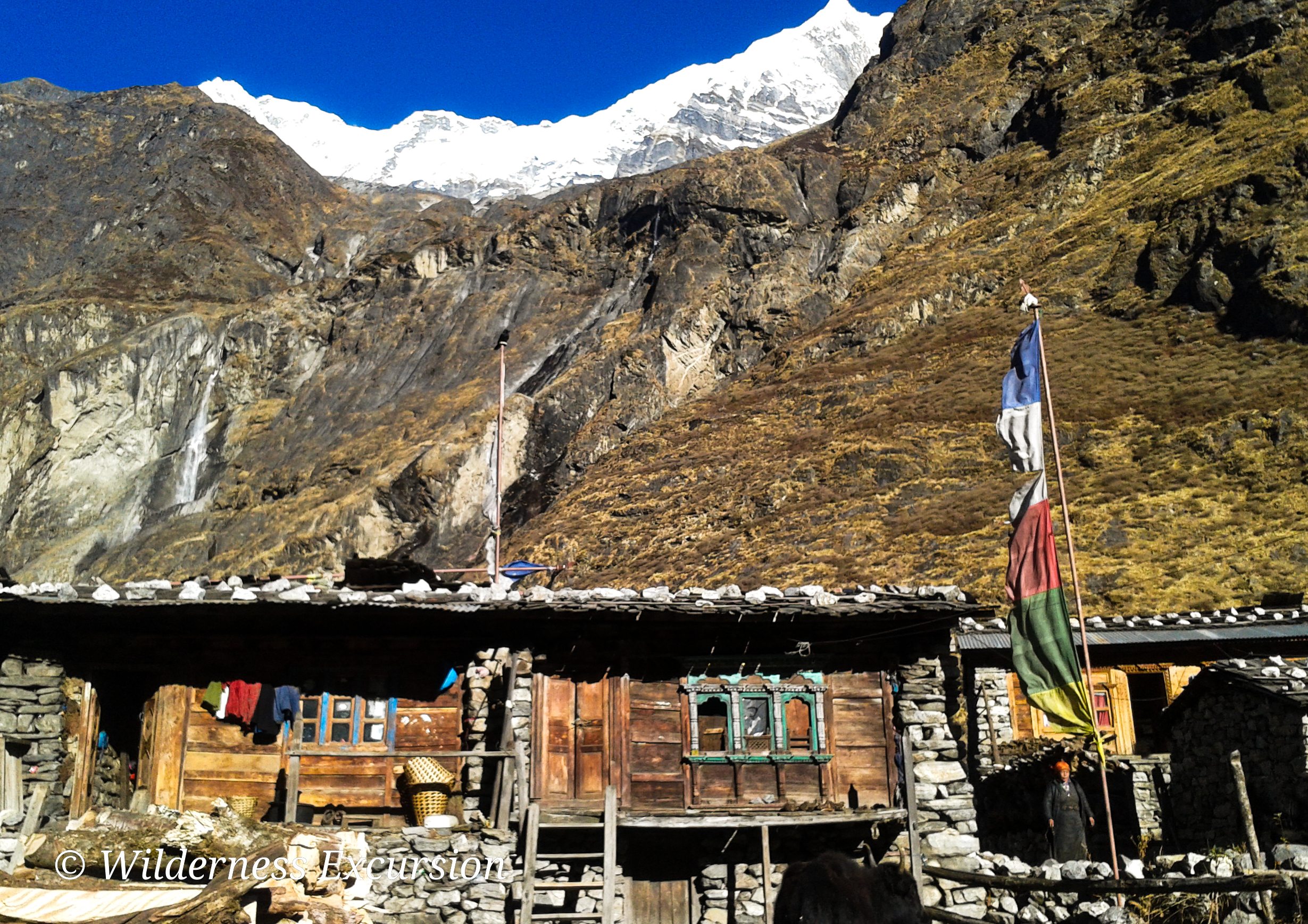
Photo: Langtang village below the Langtang Lirung
Is Langtang Valley Trek the right trek for you?
Now, this might be a stupid thing to ask if the Langtang Valley Trek is what you’re searching for as someone who is looking for a complete guide, but the question is for those who are still considering it. Are you sure about the Langtang Valley Trek?
Before booking or researching the whole route, cost breakdowns, and needs, you need to find out if the Langtang Valley Trek actually fulfills your goals and needs. If you’re someone expecting to experience something else, like being able to see Mount Fishtail close up, see Mount Everest, or experience Hindu festivals and programs, then you’re completely on another path.
Langtang Valley Trek falls between the Gaurisankhar conservation area and the Ganesh Himal region. The trail explores through the Langtang National Park, between the Langtang Lirung and Ganja La Pass side. The valley is mainly dominated by Tamangs of the Himalayas, so Tibetan Buddhism is the major religion there; you will see prayer flags, chortens, gumbas, and mani walls along the trail, which are symbols of Buddhism.
The traditional Langtang Valley Trek lasts 8 days but can be extended to other routes like Ganja La Pass or include Yala Peak climbing, which we'll explain further once you’re sure about the trek. So, Langtang is a week-long holiday, highlighting Tibetan Buddhism, Tamang culture, wildlife, and being budget-friendly. If these match your wish list, Langtang is the right trek for you: short, scenic, budget-friendly, and culturally rich.
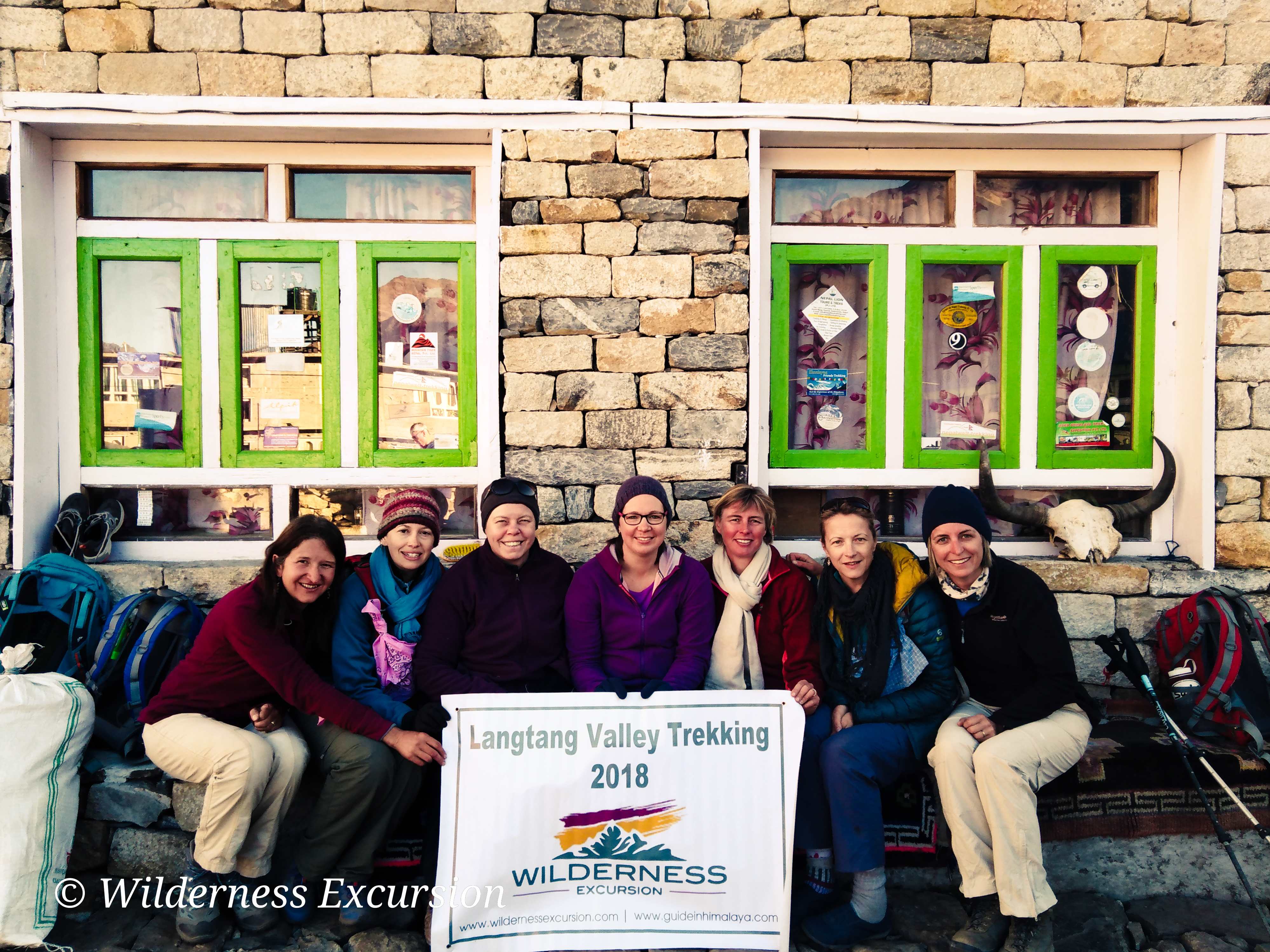
Photo: Langtang Valley Trek with Wilderness Excursion PVT.LTD
Additional routes in the Langtang Valley Trek
Before jumping to mapping out the routes and handling the budget, you might want to know what to include in your itinerary, which heavily changes your budget plan.
The Langtang Valley Trek can currently be extended to three prominent routes: Gosaikunda, Ganja La Pass, or Yala Peak climbing. Changing or adding any additional activities changes the initial cost plan and requirements. Each trekking route is distinct, which requires different logistics planning. Simple gear might be enough to climb the Kyanjin Ri, but more technical support is required for climbing Yala Peak, whereas Ganja La Pass requires more camping staff. Each additional route changes the itinerary, which also changes the cost.
Check out the Langtang Trek, where you can find every active route we’re on. Now, this is additional information if you’re looking for any more adventure routes around the Langtang Valley. Since this blog page is more focused on the Classic Langtang Valley Trek, it is also essential to know if there might be other routes as well before you get down to logistics.
Now, if you’re fully certain about the classic Langtang Valley Trek, let’s get into more detail about where, how, what, and why of the Langtang Valley Trek.
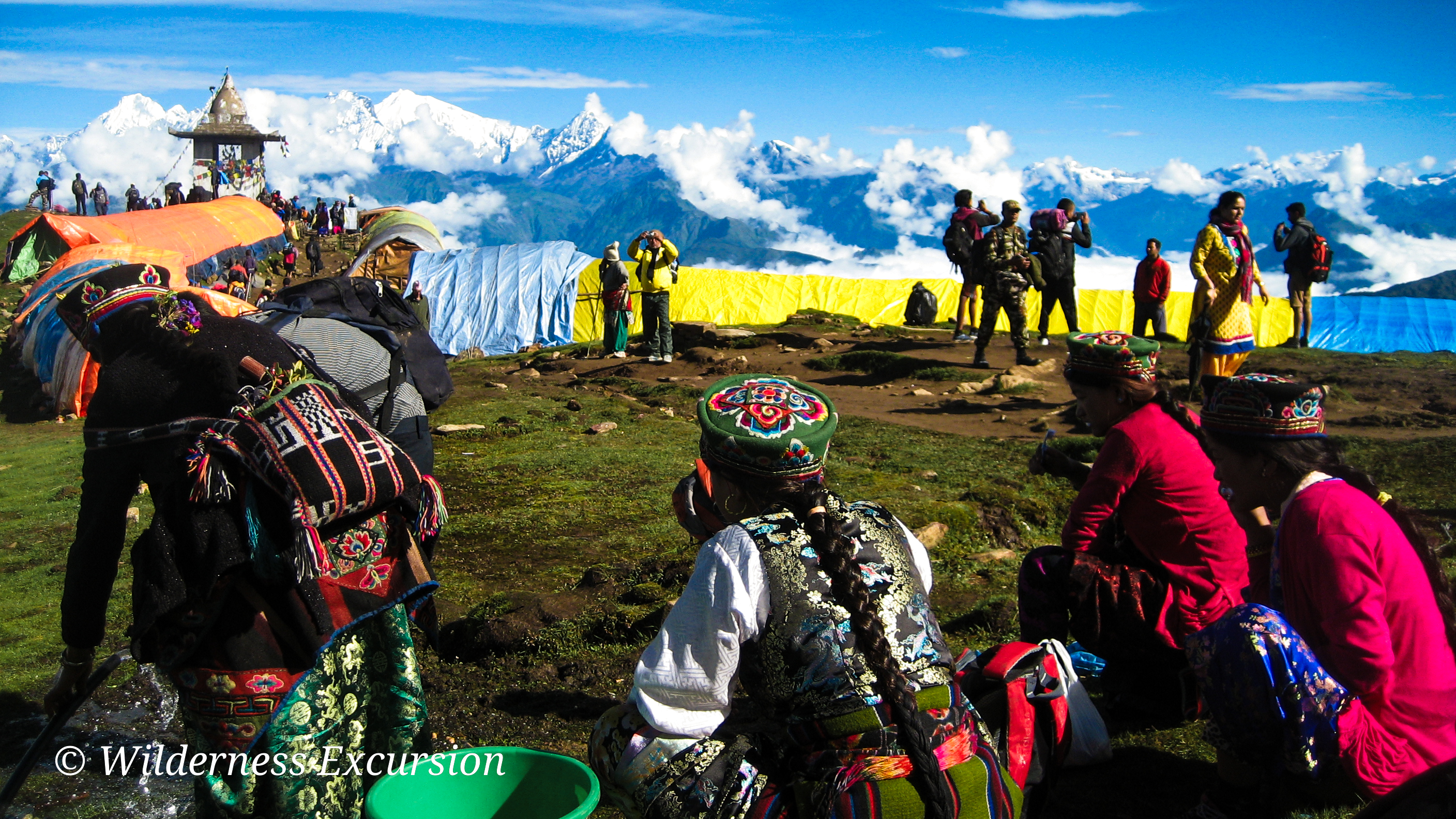
Photo: Festival Trek to Gosaikunda
Where is Langtang Valley Trek?
As mentioned earlier, Langtang Valley is in northern Nepal, northeast of Kathmandu, in Rasuwa district near the Rasuwagadhi border. It is true but vague, since giving the detailed location will overload the information on top. So, here we will tell you exactly where Langtang is.
Langtang Valley falls under the Rasuwa District and is the ending district that connects to Tibet (China). Along the route to Rasuwagadhi is a small truck docking port, Syafrubesi; it is the access point to Langtang. From Syafrubesi starts the Langtang Valley Trek to Langtang Village and its surrounding valleys and peaks.
So you should have a rough idea of where the Langtang Valley Trek lies, but if you're a foreign trekker with no idea of Nepal’s geography, search "Langtang" on Google Maps; it will show you the exact coordinates of the village, including the camps you'll use.
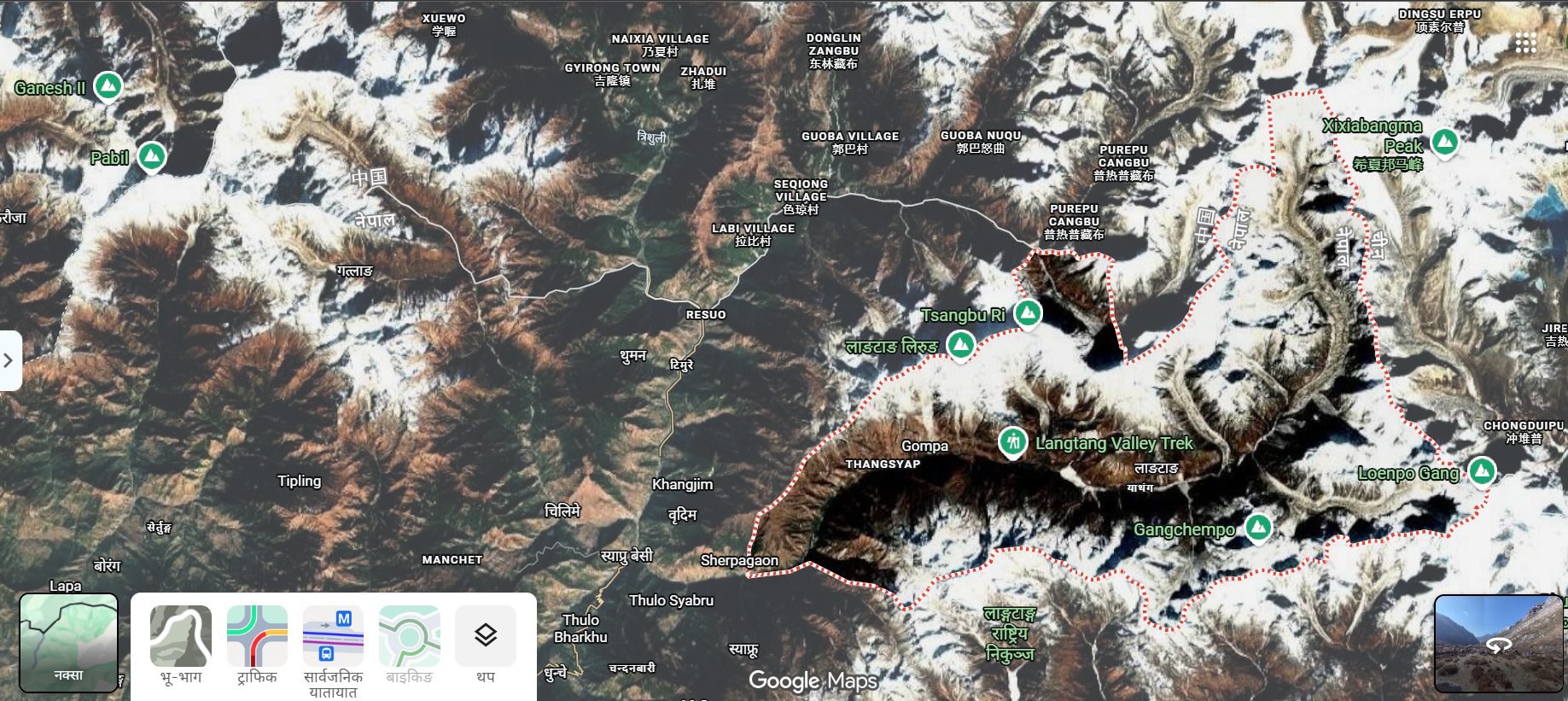
Photo: Langtang Valley Trek Location – Google Maps
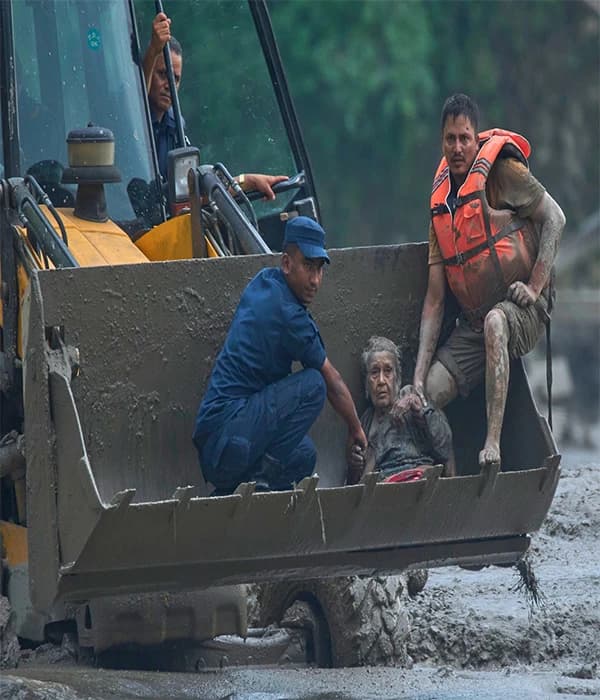
Note: On 26th August, a major flash flood hit this specific region, which resulted in mass destruction of major infrastructure and loss of life. Due to the flood, operating in the Langtang Region from Syafrubesi is nearly impossible till further notice, but of course there are alternate safe routes as well, which we will mention when guiding you about routes and itineraries.
How to reach Langtang Valley?
The simplest yet most important question: how can someone reach or do the Langtang Valley Trek?
In short, take a bus or ride to the starting point (Syafrubesi) in Rasuwa and follow the trail signs to the Langtang Trek. But it’s not as easy as saying it; no one can follow up even after you tell them where you can trek. Only professional trekkers can find their way from such a vague answer.
Here, we will guide you on how you can actually reach the Langtang Valley, how to trek the trails, and not just in vague answers like do that and this, but how to do it and why as well. So, let’s get into it.
Choosing a suitable itinerary for you
Before you leave, carefully plan your trek itinerary; it is the most important step.
(For beginners) But before that, you might be wondering: what is an itinerary? It is a series of day-to-day plans of how you want to do the trek and for how long. Itineraries differ by trekking region and destination, and with every additional activity or event, the itinerary changes; it’s flexible. The itinerary includes the duration of the whole trek, day-to-day activities, where you will spend the night, and how long you trek in a day.
Example:
Day 01: Drive from Kathmandu (1300) to Syafrubesi (1503) – 7/8 hrs.
Day 02: Trek from Syafrubesi (1503) to Sherpagaon via Khanjim – 6/7hrs.
Here, on (day 01), include the date you will start your trek and so on. In the body part, Trek from ……., you write the itinerary from where you trek to where, and the estimated travel time per day.
In example day 01, it says you will drive from Kathmandu to Syafrubesi, and the estimated drive is around 7/8 hours. Now, let's get into choosing an itinerary for the Langtang Valley.
Currently, Wilderness Excursions has two sets of itineraries for the Langtang Valley, which were carefully planned after years of experience for comfortable trekking and time-saving. The 7-day Langtang trek and 8-day Langtang trek. You might be wondering: there is only a day's difference, but a day in the Himalayas and at high altitude makes a huge difference in the overall trekking experience.
8-day Langtang Valley Trek Itinerary
The 8-day Langtang Valley Trek itinerary is the standard and the most used itinerary by all agencies and professional guides. The 8 days give trekkers enough time to adapt to the altitude, prepare before the day hike, and enjoy a comfortable trekking experience without having to rush to end it.
Outline Itinerary:
Day 01: Drive to Syafrubesi (1503) from Kathmandu (1300) – 6/7 hrs.
Day 02: Trek to Sherpagaon (2563) via Khanjim from Syafrubesi – 6/7 hrs.
Day 03: Trek to Thangsyap (3140) from Sherpagaon – 5/6 hrs.
Day 04: Trek to Kyanjin Gompa (3870) from Thangsyap – 3/4 hrs.
Day 05: Day hike to Kyanjin Ri (4770) or Tsergo Ri (4985), then trek back to Langtang (3430).
Day 06: Trek to Lamahotel (2480) from Langtang – 5/6 hrs.
Day 07: Trek to Syafrubesi (1503) from Lamahotel – 4/5 hrs.
Day 08: Drive to Kathmandu (1300) from Syafrubesi – 6/7 hrs.
7-day Langtang Trek itinerary
The 7-day itinerary is the shorter version with a day's difference. With a day being cut short, the outline itinerary doesn’t change much, but it rushes the ending of the trek. Why? Since rushing in the beginning or making room in the whole itinerary will hamper the acclimatisation process, the itinerary includes a longer walking time during the last days.
Outline Itinerary
Day 01: Drive to Syafrubesi (1503) from Kathmandu (1300) – 6/7 hrs.
Day 02: Trek to Sherpagaon (2563) via Khanjim from Syafrubesi – 6/7 hrs.
Day 03: Trek to Thangsyap (3140) from Sherpagaon – 5/6 hrs.
Day 04: Trek to Kyanjin Gompa (3870) from Thangsyap – 3/4 hrs.
Day 05: Day hike to Kyanjin Ri (4770) or Tsergo Ri (4985), Trek back to Riverside (2410).
Day 06: Trek to Syafrubesi (1503) from Riverside – 5/6 hrs.
Day 07: Drive back to Kathmandu (1300) from Syafrubesi – 6/7 hrs.
What’s the difference in the itinerary?
Between the two itineraries, in the original 8-day itinerary, on day 05, you would trek back to Langtang after a hike to one of the peaks and overnight at Langtang, which is 2-3hrs from Kyanjin Gompa. But on the shorter version, instead of staying at Langtang Village, you will retrace the trail all the way back to Riverside near Lamahotel.
So, the trail that needs to be covered on an additional day, you will instead trek it right after your tiring hike to high altitudes. But is it possible and safe?
Yes, this method is totally doable since the trails are mostly on the hillside and slightly downhill, but you will have to be an experienced trekker and physically capable of handling the exhausting hike of the day. The 7-day itinerary is recommended for trekkers with experience and not for complete beginners.
Want to learn more about the itinerary and how to execute this exact itinerary for your upcoming trip? Read our Langtang 8-day itinerary blog, which covers every aspect of the trip, how to follow the itinerary, routes, and trails, including where you can get transportation and all.
Changes in the itinerary for 2026
The mentioned itinerary can’t be executed currently due to damage in Syafrubesi caused by severe flash floods in August. But the reason to mention that itinerary is that the changes are temporary; the route through Syafrubesi is an important trade route and can’t remain shut, so alternate highways or reconstruction will be done in the near future.
New routes, including the drive from Kathmandu to Syafrubesi, have been diverted through Nuwakot. The vehicles are still operating, and local jeeps can reach up to Dunche, from where you will take an alternate itinerary.
Day 01: Drive to Dunche (1960) via Nuwakot from Kathmandu (1300)
Day 02: Trek to Brabal (2280) or Thulo Syabru (2210) from Dunche.
Day 03: Trek to Thangsyap (3140)
After Thangsyap, follow the same itinerary to Kyanjin Gompa and then trek back to Thulo Syabru, and trek back to Dunche. This will stretch the original itinerary by more than two days.
Note: There have also been reports of damage to river trails along the Pahiro Bamboo Route, so trek only after consulting with us or other authorized trekking agencies and government bodies.
Knowing the right season and time to visit Langtang?
Trekking in Nepal is highly regulated during its peak season due to safety and practicality. Treks that can be done during the off-season and monsoon season are mostly around the lower regions of Nepal. High-altitude treks are mostly operated during peak season, the Spring season from March to May and early June, and the autumn season from September to November. Why these months?
The main reason is weather stability, which is the most crucial part of adventure tourism. Trekking high passes requires stable weather, clear skies for views, and safe, dry trails. Crossing rivers and rainforest during the rainy season is dangerous, while trekking high passes in winter is not advised; even lodge owners and workers hike down during extreme winter, with only the locals staying above the alpine zone.
Now, let’s compare the different experiences in each season and know which is suitable for trekking the Langtang Valley.
Spring (March – May)
Nepal is in the Northern Hemisphere, so spring falls after March. Since the rainy season has not yet begun and winter has ended, spring is popular for floral trekking. Trekking destinations like Langtang, Pikey, and Ghorepani are popular for colorful trails, with the Himalayas in the background.
Langtang Trekking is popular during the spring season. The lower region of Langtang is mostly covered with rainforest, and above 1700 meters is mostly covered with rhododendron forest, which you can see during the drive to Syafrubesi after crossing Trisuli near Dunche. Trails are mostly dry and safe, and with the right weather, you can also expect panoramic views of the Langtang Range.
The downside of the spring season, which most won’t tell you, is that the weather is mostly stable, but you will experience occasional light rainfall and mist. It will really make hikes difficult: slippery trails, wet gear, and if luck is not on your side, the mist might cover views on the day of a viewpoint hike.
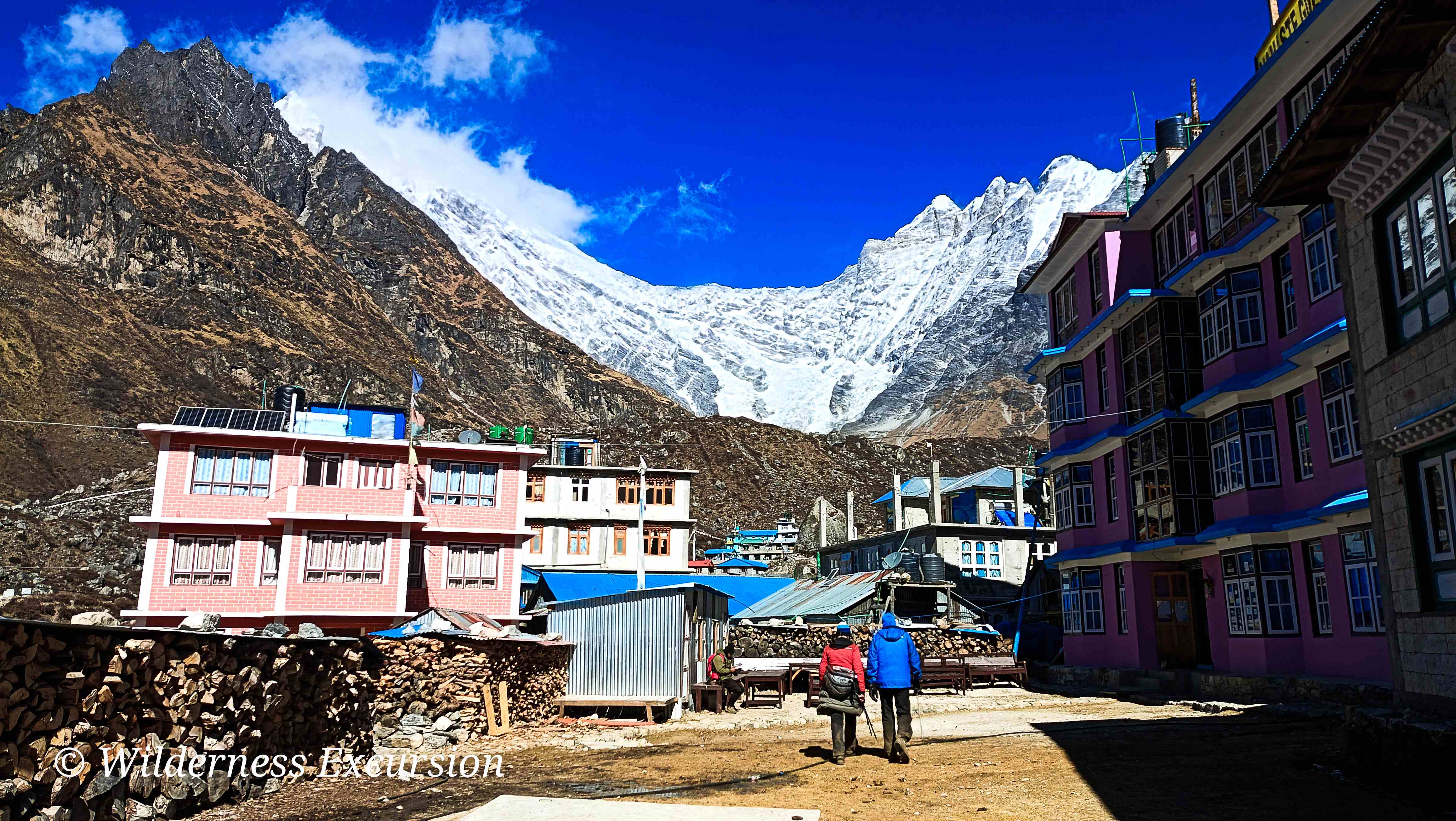
Photo: Kyanjin Gompa
Autumn (September – November)
Now, autumn is the preferred season for major trekking destinations, especially for high passes, and personally, as a free trekker, I have also preferred autumn for trekking and camping.
After a long monsoon, autumn is welcomed with a clear sky and the safest trails. Another highlight of autumn is that the major festival Dashain and Tihar (festival of lights) falls during this season. Nepalese during this time travel back to their hometowns and villages from Kathmandu, except for the natives of Kathmandu. You can expect a festival environment and cultural moods.
The downside of the Autumn is that, since it’s during a month-long festival season, getting public transportation is hard, so you might want to book tickets really early and expect a sudden rise in price for all transportation, public buses, private jeeps, and domestic flights as well.
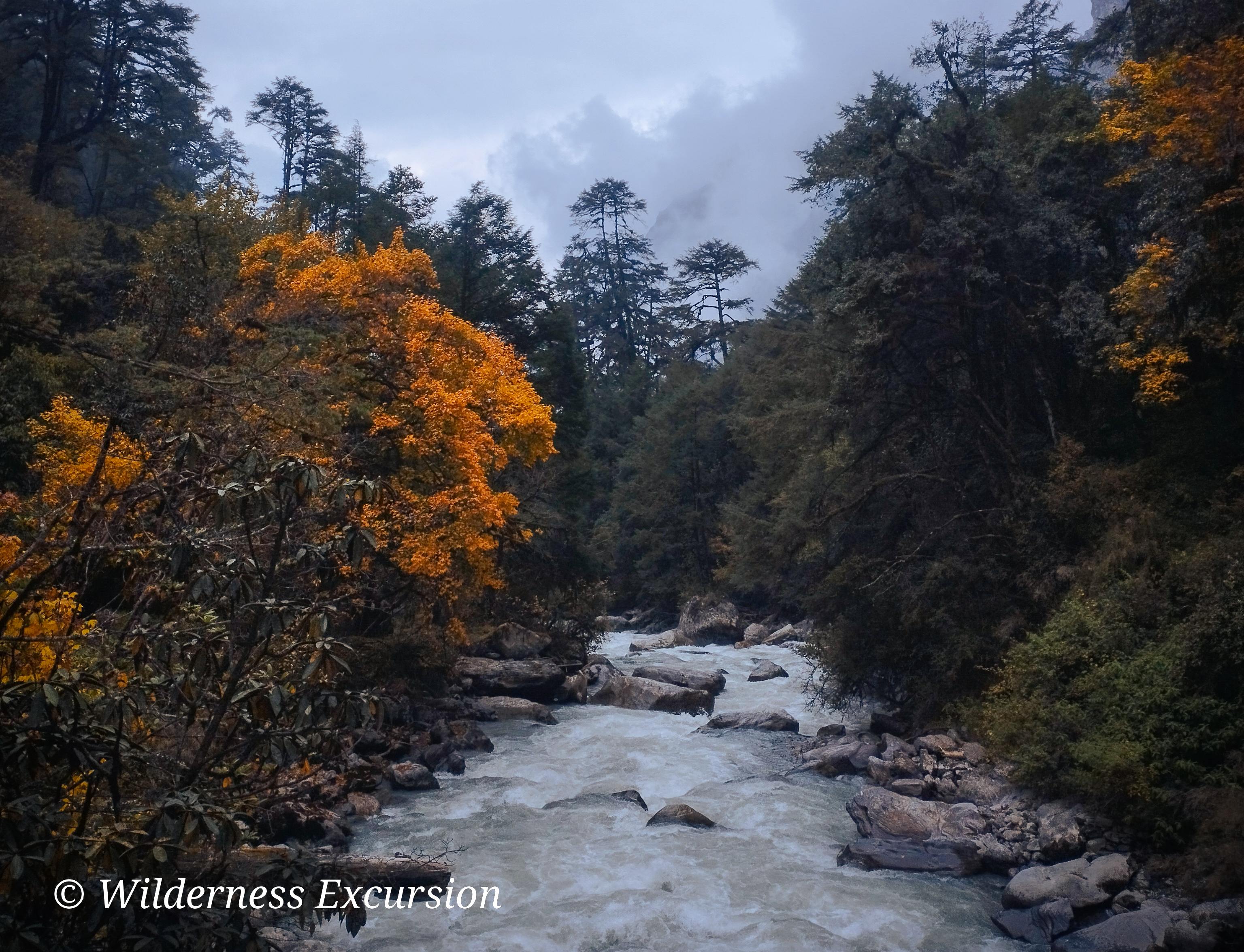
Photo: Langtang Khola during the Autumn forest
Which season to choose from?
Here, I will be direct: choose spring if you’re okay with taking the risk of rain and mist and want to experience a floral trail with fewer crowds.
Choose the latter (Autumn) if crowds and a sudden hike in prices do not affect you. If you want to experience a major festival, local cultures, and definite stable weather for clear views, autumn is your go-to season.
Want to learn more about the best season? Our best season Langtang guide explains every season in detail, from month-to-month experiences, including what happens during the monsoon and winter.
Tips for the seasonal trek
What most agencies and trekkers won’t tell you about the Autumn season: September does fall during the autumns and is considered a trekking month, but there is a small difference. See, September is also a trekking season, but weather and climate don’t know that, they won’t be like, “Oh, it's September, the trekking season; let’s stop the heavy rain.” No.
The thing is, September is the transition month, and before the end of the monsoon, Nepal experiences long, heavy, and light continuous rain for days, and sometimes lasts a whole week.
Most beginners make the mistake here; they believe the early bird gets the worm and trek right at the start of September, believing there will be fewer crowds and no hike in prices since the festival is yet to start, but due to the continuous rain, experienced trekkers do not start in September. What’s true is that Nepal recently experienced continuous rain from 24th September till 27th, and in the evening, the Himalayas opened from Kathmandu as well.
During this time, several landslides and flooding closed routes, and NTB, including TAAN, also warned against travel, to the point of halting permits; for safer alternatives, always trek after the continuous rain or the last rainfall during the autumn. Before booking or departure, contact an authorized trekking agency or the Nepal Tourism Board for such details and conditions of your trekking destination.
Logistics required for the Langtang Valley trek; How to get them?
Trekking in Nepal has its own legal procedures and legal documents you need to obtain before your departure. Here, we will mention the important documents that you are legally required to obtain before trekking the Langtang Valley.
For trekkers booked through an agency, their logistics are mostly handled by the agency if they are included in your package. So, before booking and going through payment, make it clear what you’re provided beforehand and what you have to get yourself.
Visa for trekking in Nepal
All tourists/travelers of foreign nationality, except for Indian nationals, must obtain a valid Tourist Visa to enter Nepal. Well, it is obvious that you have to obtain a visa before visiting any country. Nepal offers an “on-arrival visa”; you can apply for the visa at the airport after you land at the TIA (Tribhuvan International Airport).
According to the Nepal Tourism Board, follow the procedure and requirements for a tourist visa in Nepal.
Visa Requirements:
- Valid passport and passport-size photo.
- Visa fees in US dollars or convertible foreign currency; international credit cards are also accepted.
- Visa application form. One may be able to fill out the online visa application before arriving in Nepal.
To obtain a visa, there are two methods: apply for the online visa or use the kiosk machines, which are available at every international airport in Nepal. Once a visa application is submitted, head to the department desk and make the necessary payments for visa processing.
- Fill in the 'Arrival Card'.
- Fill in the online ‘Tourist Visa’ form. You can fill it out online before you arrive at the Department of Immigration or use the Kiosk machines upon arrival at the airport.
- Make payment at the bank according to your visa requirement (15/30/90 Days)
- Get the receipt.
- Proceed to the Immigration Desk with your online form, payment receipts, and your passport.
- Hand in your documents to the immigration officer for visa processing.
Note: When applying for visa requirements, make it so it is a day or two more than your itinerary requirements, instead of having it too tight. A trip can’t always go smoothly, and for unexpected variables, you do not want to overstay your visa due to unforeseen reasons.
Visa Fees
- 15 Days – US$ 30 or equivalent convertible currency
- 30 Days – US$ 50 or equivalent convertible currency
- 90 Days – US$ 125 or equivalent convertible currency
(board, 2026)
Transportation from Airport and Hotels in Kathmandu
For independent trekkers and newcomers, finding a hotel and transportation can be hard or tricky. If you have an agency, you can always inquire with them about additional services like airport transport and hotel bookings in Kathmandu. If you want to arrange it yourselves, you can follow a few local tricks.
For hotel bookings, there are online platforms like Booking.com, where you can find multiple properties that suit you. Choose one based on your requirements. If you like night cities and do not wish to book a cab every time you need to go somewhere, Thamel is best for you; the place is lively even at night, and it is also the central hub for trekking. Most agencies are located there, along with stores for purchasing trekking items.
For peaceful nights, you can book hotels that are around Thamel and not in the center of it, so you can easily walk in and walk out. But if you’re fine with booking cabs, you can look for other places near Swayambhunath, Boudhanath, or other tourist places which are quiet and also have side activities.
Transportation around Kathmandu and to the airport is tricky; simply waving your hand for a taxi can rip your wallet. So, always book your ride from online platforms. For comfort and affordability, you can book from inDrive or Pathao, which are the most used ride-sharing platforms in Nepal; you can also choose comfort booking if normal taxis in Nepal are small. You can also use Uber, since it was recently launched in Nepal for familiarity.
Tips: When booking a ride, always set a fair price to get offers quickly.
Permits and legal documents
You’re now in a hotel in Kathmandu; you have your visa and place to stay, but these are the most basic parts of travelling. The important logistics before trekking are obtaining the right permits for that specific route and destination. For the Langtang Valley Trek, there are a few important permits you need to obtain before departing from Kathmandu. But before that, let me make something clear: in years before, tourists could trek independently without guides, obtain their own permits, and trek alone.
But the regulations have changed; NTB (Nepal Tourism Board) has strictly stated and already released a newsletter stating that no foreign tourist can trek alone in Nepal; they must have a licensed trek guide and obtain permits through authorized and registered trekking agencies only.
You might have seen a solo tourist blogger saying you can trek in Nepal without guides to save budget, but what you will be doing is illegal. They might not have been caught at the time, but you can be lucky as well. The Langtang Region is a sensitive trading and border area, so wandering there illegally can be highly consequential.
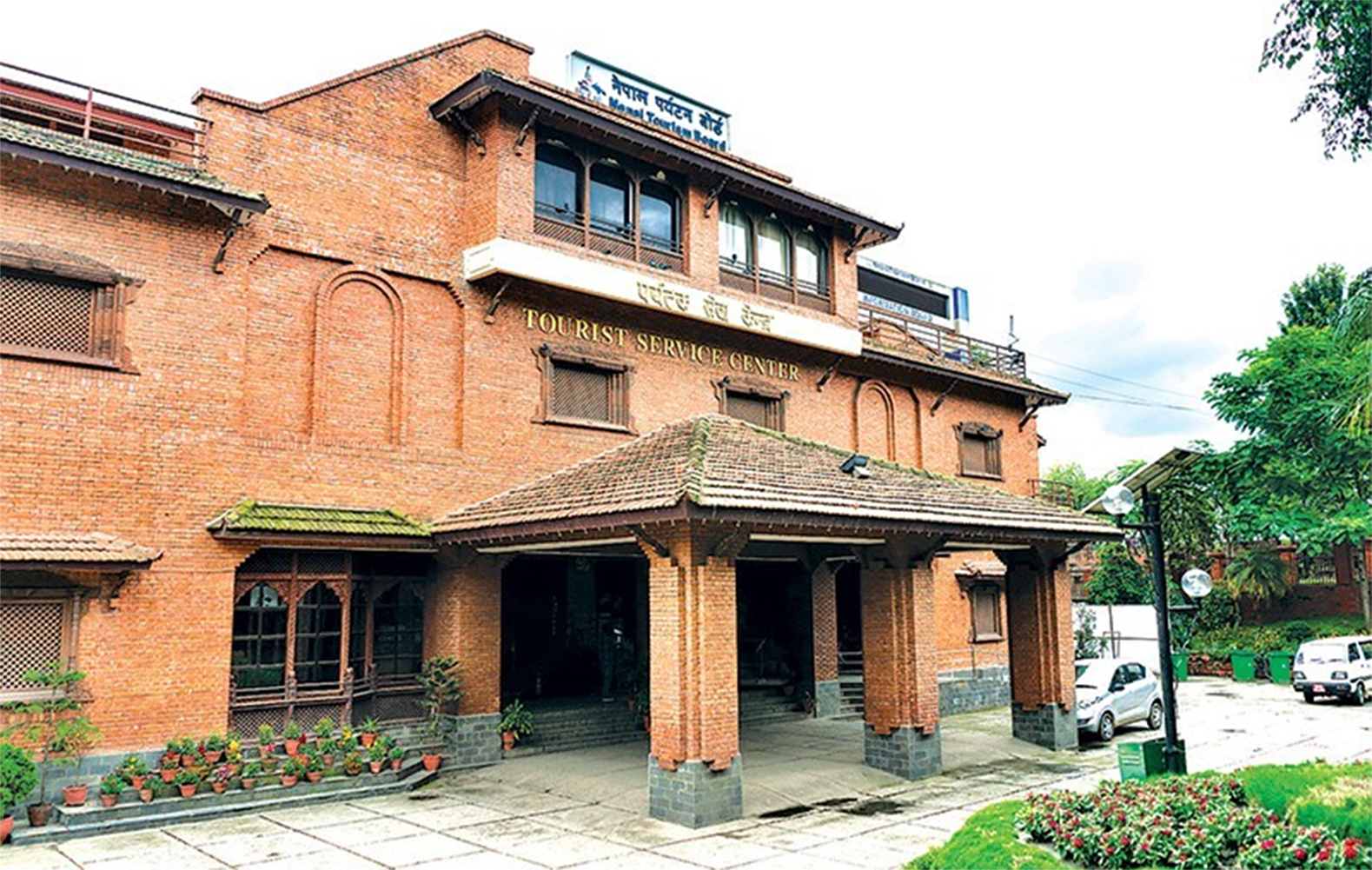
Photo: Nepal Tourism Board – The Kathmandu Post
Another point: since trekking in Nepal legally requires multiple permits for different areas, no single department monitors all of them, so some sources may say you can obtain permits independently, but that may not be the case elsewhere. NTB (Nepal Tourism Board), NTNC (National Trust for Nature Conservation), and DNPWC (Department of National Parks and Wildlife Conservation) all have different entry procedures.
You can obtain the conservation permit independently since it is distributed by another body, but it is not the same for the TIMS card. This contrasting law misguides most trekkers, believing they can trek solo and obtain permits themselves, without knowing which permit they need or whether they can even obtain it themselves.
Now, let's get into the permits and fees: which permits you can obtain yourself, and which require an agency.
TIMs (Trekkers Information Management System)
Whether you trek in a conservation area, restricted places, or national parks, all foreigners and trekkers trekking in all 44 zones of Nepal are legally required to have a TIMS card.
Nepal Tourism Board oversees and manages the TIMS card. But you can’t obtain this permit without the help of an authorized and registered trekking agency. A registered trekking agency like Wilderness Excursion is legally affiliated with the Nepal Tourism Board.
To obtain the TIMS card, trekkers are legally required to hire a licensed trek guide and obtain this permit through an agency. This is the first permit you need to obtain.
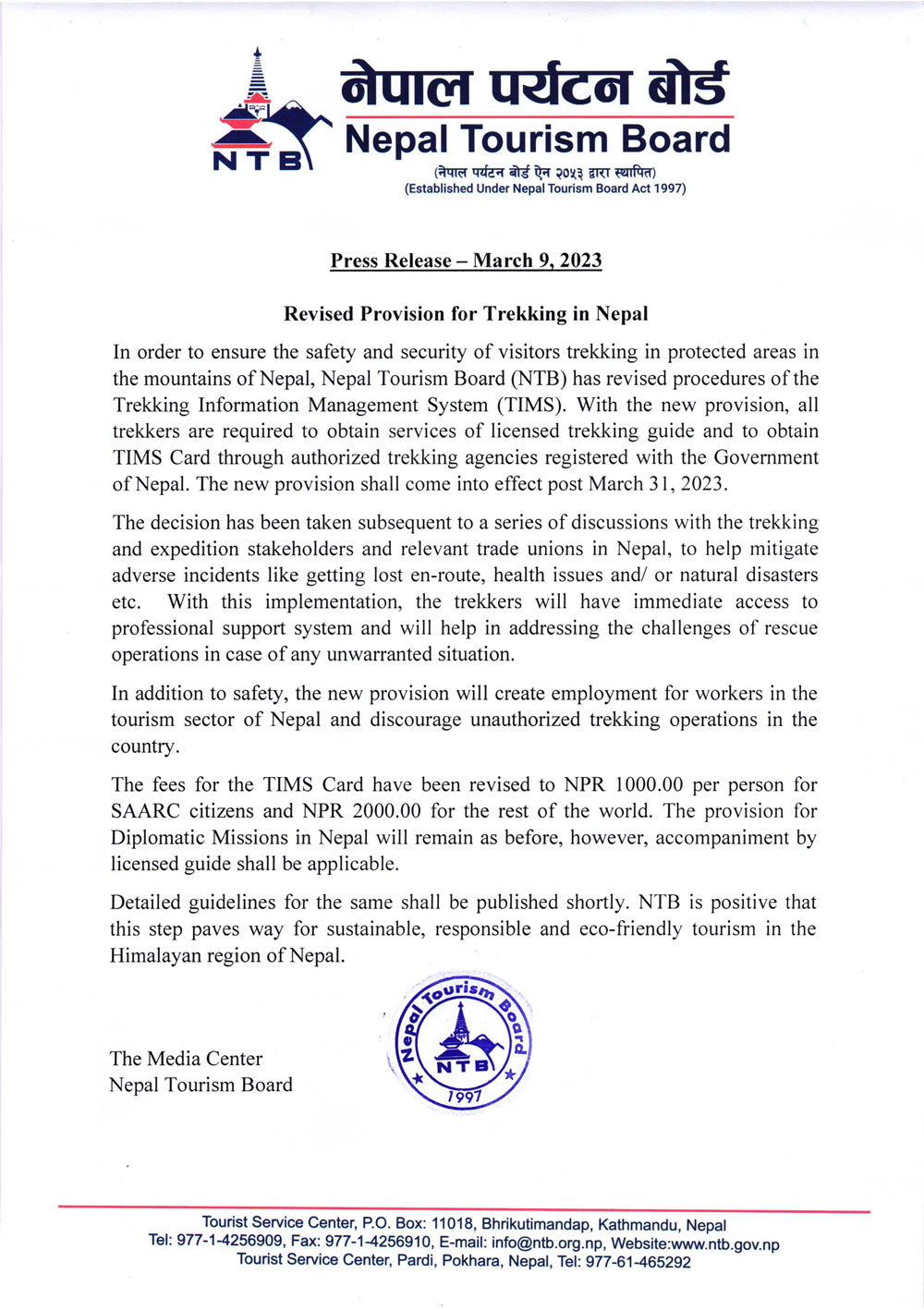
Photo: Nepal Tourism Board, Press release (Board, https://trade.ntb.gov.np/revised-provision-for-trekking-in-nepal/, 2023)
National Park permit
Langtang Valley is protected under the laws of Langtang National Park, independent of any conservation region. So, you only need a TIMS and National Park permit to trek the Langtang Valley.
Now, you can obtain the national park permit yourself; there has been no legal statement that binds trekkers to obtain the permit themselves. The permit is issued at the same governing office, the Nepal Tourism Board, located at Bhrikutimandap, Kathmandu, Nepal.
Permit fees for the national park
|
National Parks/ Wildlife Reserve/ Conservation Areas |
Nepali |
SAARC |
Foreigners |
Child discount |
|
Langtang National Park |
NRs. 100 per person per entry |
NRs. 1,500 per person per entry |
NRs. 3,000 per person per entry |
Below 10 yrs free |
Source: (Board, https://ntb.gov.np/plan-your-trip/before-you-come/park-entry-fees, n.d.)
With this, you know which permits you need and which government bodies manage them, so let’s get into how you can obtain these permits;
TIMS card is distributed by the Nepal Tourism Board, and we have already made it clear that you can obtain this only through an authorized agency, and you’re required to hire a licensed trekking guide; no other alternatives or options.
The Department of National Parks and Wildlife manages the National Park Permit, which is separate from conservation. To obtain the national park permit, there is no online application; you must visit the department in Bhrikutimandap, Kathmandu.
The building is known as the Nepal Tourism Board, so do not be confused; in the same building, you can find the counters for conservation and national park.
Things to prepare and pack before the Langtang Valley Trek
You have your visa, permits, and other necessary legal documents. You’re almost ready to trek the Langtang now. The final step is having the right gear and preparations. If you don’t have this gear, see the checklist and shop for it at nearby gear stores in Thamel.
Gears and essentials for the Langtang Valley trek
- Trekking bags: A 35L trekking bag is a minimum for packing all the daily essentials and clothes, along with extra requirements. If you do not have porters, extend to 40L or 50L bags.
- Trekking shoes: During day hikes and peak climbing, good trekking shoes are essential to avoid blisters and ensure a comfortable trek.
- Trekking poles: If you are uncomfortable on downhills or have knee problems, you should definitely have trekking poles. It is also best practice to have trekking poles even if you’re a physically capable person.
- Headlamps: Mostly, camps rely on solar power, so streets and trails are usually pitch dark with the moon as the only light. Headlamps can be useful when going for a night walk.
- Crampons: Depending on your choice of peak climbing, crampons can be essential or optional. Tsergo Ri is more prone to heavy snowfall than Kyanjin Ri, and seasonal conditions are also important. It's better to consult with your trek guide beforehand about whether you need them or not.
- Sleeping bag: Lodges provide you with enough quilts and blankets for the cold night, but if you want something personal and heat-trapping, then you can always rent or buy a sleeping bag in Kathmandu.
- Water bottles: Never forget to carry a water bottle. Staying hydrated is a precaution against possible sicknesses.
- Rain gear: The seasonal months from March to May experience sudden rainfalls, so always prepare ahead and pack a raincoat. An umbrella is also doable, but you will need another separate rain jacket and water-resistant pants.
Now, these are basic and essential gear; there can be additional things you might need, like a duffle bag. If you have a porter, it is important that you have a separate duffle bag for them to carry.
Note: If you’re not confident in your gear selection, you can consult your guide to help you with purchases.
Tips: Book your guide atleast two days before your departure, make sure your itinerary matches the permit date, and every legal thing is ready before the departure.
Daily wear for the Langtang Valley Trek
“Wearing light, layered clothing is efficient when trekking”
- Sun hat / Bucket hat (1): During day hikes on sunny days, you are prone to heat stroke; staying hydrated and wearing a hat is really important.
- Sunglasses (1): Sunglasses are not only to look fancy, but they also have an important role in trekking. They protect your eyes from the sun, snow, and extreme winds at high altitudes.
- Buff/muffler/gloves (1 each): The autumn season in high regions can turn really cold, especially in the mornings and at night; the buff and gloves prevent your lips, cheeks, and fingers from getting painful splits. The muffler is for preventing a sore throat and keeping ears warm.
- Thermal sets: Thermal sets are recommended on cold nights and mornings. If the season you’re trekking experiences extreme cold, packing a thermal set can be life-saving.
- Trekking T-shirts (2): Day hikes can be really sweaty, so you must pack moisture-wicking T-shirts that are comfortable, light, and easy to pack.
- Windbreaker / Down jackets (1 each): A windbreaker is a must for all seasons; the higher regions and peaks experience extreme winds after the morning. Whereas a down jacket is only essential for the nights at high altitudes and in winter or when you’re nearing winter. Consult with the guide if you do need a down jacket.
- Trekking pants (2): For trekking, there are special trekking pants, depending on your needs. Some are made from really light fabrics, while others can be hard and made for trapping heat. Pack one for the day hike and morning hike.
- Trekking shoes and sandals (1 each): For Langtang Valley Trek, durable and dependable hiking boots or trekking boots are more than enough. You won’t need extremely expensive climbing boots. Choose comfortable and durable trekking boots. Sandals are optional; some lodges do provide them, but it is not consistent in every camp. Pack them if you have plans for evening strolls.
- Trekking socks (3): For trekking boots, carry long, soft, and warm trekking socks. Wearing half socks will harm your ankles after continuous direct friction with your skin.
- Trousers, T-shirts, sweater (1 each): When you’re at the lodge, you might wanna switch to more comfortable clothing; for that, you can pack a light sweater, a T-shirt, and a comfortable pair of trousers or sweatpants. Pair it with knitted socks, and it should hold you through the night.
Sanitary and personal care
|
|
|
|
|
|
|
- Moisturizer
What I have mentioned so far are the basics of the basics you probably and you definitely need when trekking the Langtang Valley Trek. You can cross-check depending on your trekking habits, or you can check the clothing & gear list on our travel info for detailed planning.
After all, you pack things depending on what you want to do. The things mentioned above are the essential parts. If you want to inquire more, you can contact us; we are available on most social platforms, including Facebook, Instagram, TikTok, and WhatsApp.
How to prepare physically for the trek?
Multiple trekkers and I have mentioned that Langtang Valley is a beginner trekking region, which might imply you won’t need professional coaching and training beforehand. But it doesn’t mean you can neglect preparation.
An easy trek for someone might be hard for others. The trek is labeled beginner-friendly, but you will still be trekking to a maximum altitude of 4985 meters above sea level and spending time at a camp of 3830 meters. It is best if you train for a dedicated period of time and build a habit of hiking.
Physical requirements for the Langtang Valley
Any adventure activity that requires days of physically demanding challenges requires at least basic fitness and stamina. You won’t need any high-level coaching and years of training for Langtang; a daily jog for stamina and small hikes with weight can actually help you build enough strength and stamina required for trekking. Here is what you can do if you’re a beginner before trekking the Langtang Valley:
- Build stamina gradually, free-weighted and weighted (if possible).
- Gain hiking experience or develop regular walking habits, uphill and downhill.
- Regularly scheduled sleep and rest.
- Maintain a proper diet.
Altitude Sickness in the Langtang Valley Trek
Trekkers sometimes treat altitude sickness as a myth or old folks' tales meant for sacring beginners. Since the symptoms of altitude sickness are some of the common things you experience, everyone is misguided. But let me tell you, altitude sickness is real and can be life-threatening, which is why you need a licensed trek guide to support you in difficult times.
See, altitude sickness is a condition where your body cannot adapt to the low concentration of oxygen in the air at certain altitudes. At first, you face headaches, fatigue, and nausea, but if not cared for, it can build up fluids in the brain and lungs quickly. The most practical solution is to hike slowly and gradually accustom yourself to increasing altitude. It gives your body time to adapt to the changing environment.
If you’re feeling more than two or three symptoms, the solution is to hike down to a lower altitude where your organs can function properly. If the symptoms are severe, to the point where you need assistance, inform your guide about the symptoms you’re having. Do not force yourself to trek further, and trek down asap, if the condition is severe, a rescue operation will commence for your safety.
There are also widely used pre-medications for altitude. Although we do not directly recommend it, if you’re not confident, consult with a doctor in Kathmandu, or visit a medical facility that has a dedicated licensed consultant. The widely used tablet for altitude is Diamox; consult with the doctor to ascertain it is safe for you to use it and calculate the doses you need.

Photo: Diamox for altitude
The final step: The departure for Langtang Valley
You now have most things in order: your visa includes the time for the itinerary and extra days, every legal document is covered, and you might have also booked your guide from an agency when applying for the TIMS card.
The important thing now is a successful departure. You already know where the local buses and jeeps depart, the itinerary plan is already mentioned, and your guide is also knowledgeable about the routes; ask him/her to manage the lodges during the trek.
When departing, if you have local transportation, kindly mention it to your hotel for a packed breakfast; having private transportation is more comfortable for such things. Exchange contact information with your guide for proper communication, and make sure the guide you're hiring has proper insurance; if not, negotiate with the agency to include insurance at an extra cost.
With this, your day of departure is set, and the guide is insured; hope you have a safe and successful trek in Nepal.
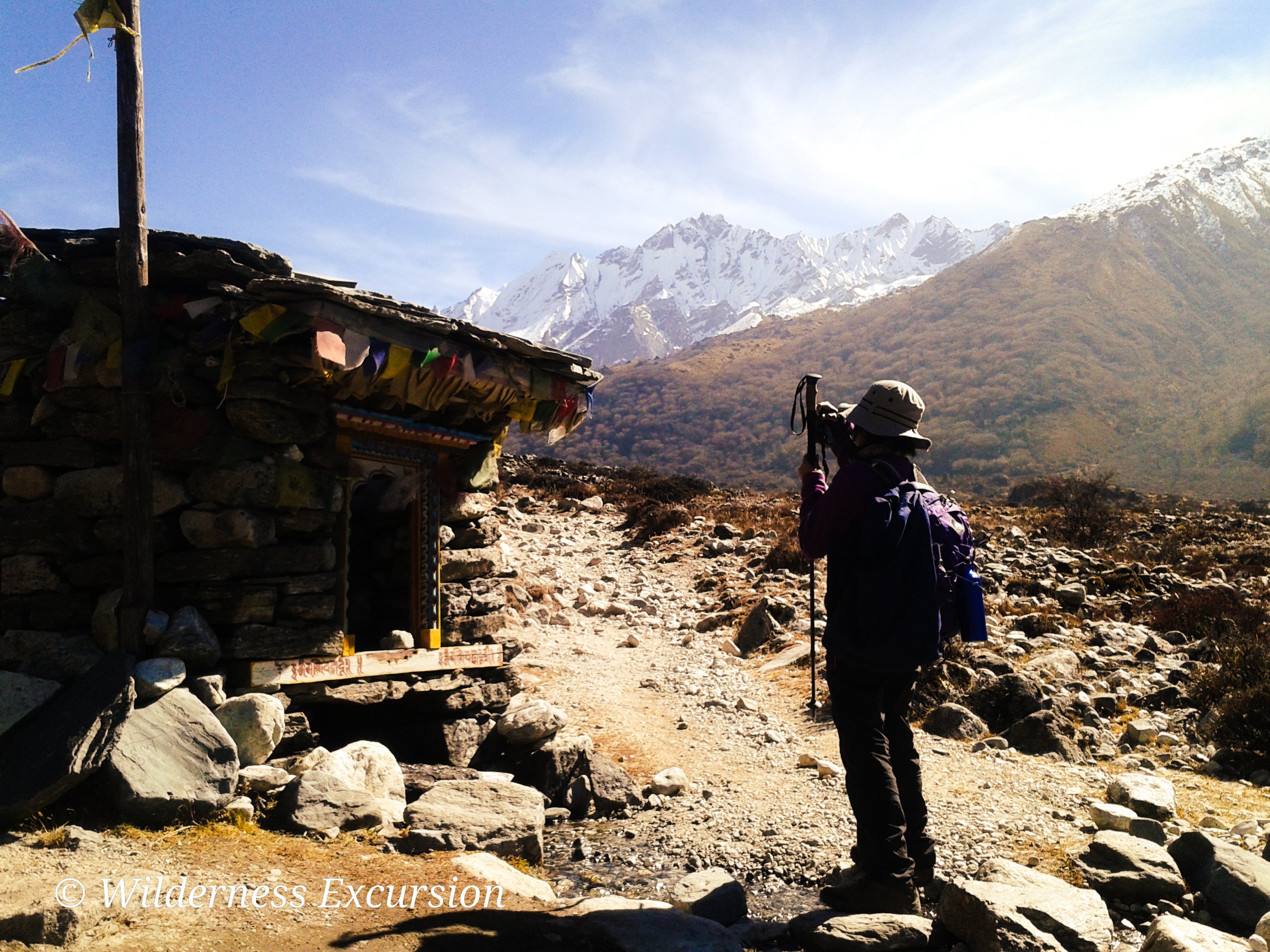
Photo: Trail to Kyanjin Gompa from Langtang
What to do after the trek?
After your trek, your visa accommodates an extra day in Kathmandu; now, how to utilize it. The best thing is to go to a spa when you return to Kathmandu and give your clothes for laundry, which costs around 100rs per kg in Thamel, so you can save more time.
In Kathmandu, you can do short hikes around the city, which might not be possible after a tiring trek, and visit historical places and palaces. The closest one is in Basantapur: the Kathmandu Durbar Square, but the inside of the palace is not very intriguing, although the surrounding area has multiple places for good food; the place is mostly crowded.
If you're looking for a historical place with a calm, relaxing ambience, Patan Durbar Square is the top recommendation; the museum inside is spacious and has a dedicated café. The place still holds historical artifacts and art. The surrounding places also have some of the finest food places and are also really popular for local food hunting and experiencing cultures and religious aspects.
Historical information on Kyanjin Gompa and Langtang Valley
In modern times, Langtang Valley is widely known as a peak trekking destination for its majestic views of the Langtang Himalayas, pasturelands, and undeniable natural beauty. But behind this popularity lies a whole sophisticated and centuries-old story, prophecies, and research to discover Langtang village spiritually.
The major importance of Langtang revolves around the concept of beyul, oral traditions, the ritual of Dhomares, Treasure revealers, and the biography of “Guru Rinpoche”.
According to manuscripts and stories, during the 8th century, when Guru Rinpoche was traveling to Tibet to establish Buddhism there, he traversed the Himalayas and, during his journey, established chortens and beyul for times of crisis. Langtang is believed to be one such beyul, which was later discovered by tertön Rigdzin Nyida Longsal.
The land's identification later solidifies through the rituals of Dhomares, which state that Mingyur Dorje Dhomare (whose sons later built Kyanjin monastery), after having a terrifying dream of devastating war, fled from Tibet with his friend and family to Langtang, which was a small village and settlement of Tamang peoples, which fulfils the whole purpose of beyul, “A sacred hidden valley for safety”.
Now, there are no well-documented accounts of these stories and events, since such stories are mostly based on biographies and prophecies, but it is clear that Langtang Valley has more than what meets the human eye. The natural transition of the valley’s geography, pasture lands, and unrealistic beauty, surrounded by majestic mountains, does solidify that Langtang and Kyanjin might truly be a gateway to the sky.
Booking a Langtang Valley Trek
If you have read through all the guide, the logistics you need, and all the planning, it will overwhelm you. Even after reading the guide to every last detail, it is still hard to navigate the trek, manage the logistics, make an extra day for permits, and get tickets. Travelers with experience can easily manage all this by themselves, especially solo travelers. But for trekkers who are first-time in Nepal and on family holidays, it's nearly a nightmare.
For that, there are multiple registered trekking agencies in Nepal that provide package service deals for organizing your trip, like Wilderness Excursion. What we do is manage all your logistics depending on your cost details. The standard package includes meals during the trek, transportation, permits and documentation, a trek guide, and accommodation on the trek. We provide the most basic of the basic things you need to trek.
And these packages are customizable; the cost details are not fixed. If you prefer more premium services, like a 5-star hotel booking, private transportation, and sightseeing in Kathmandu, it can be arranged as well. The agency exists to make your trip more comfortable and time-saving. Book your next trek to Langtang Valley or inquire us for your own personalized trip.

Need Help? Call Us+977 9851042153orChat with us on WhatsApp
Latest Travel Blogs
Need Help? Call Us+977 9851042153