Best season to do the Langtang Valley Trek and off-season experience – month-by-month guide.
“Travelling is an adventure with intent; it may be conscious or unpremeditated.”
Travel is rarely just movement from one place to another; it carries intent, whether clearly defined or quietly unfolding along the way. This becomes even more evident in trekking, where every journey into the mountains reflects a purpose shaped by both personal goals and the rhythm of the seasons. Some trekkers set out with clear intentions—to reach a high-altitude base camp, witness Himalayan landscapes, or experience local culture. Others begin with a simple desire to explore, allowing the trail itself to guide their experience.
In trekking, intent is closely tied to seasonal adventure. Choosing to walk during spring brings blooming forests and renewed life, while autumn offers clear skies and expansive mountain views. Even winter and monsoon, though more challenging, attract those seeking solitude or a different perspective of the mountains. Each season shapes the journey, influencing not only the terrain and conditions but also the emotional experience of the trek.
Whether planned with precision or embraced spontaneously, trekking transforms travel into a deeper connection with nature and self. The changing seasons, shifting landscapes, and evolving challenges turn each trek into a meaningful adventure, where intent is not only the starting point but something that continues to develop with every step along the trail. Now, how can these seasons affect the journey, especially for the Langtang Valley trek? Let’s study in depth.
TheLangtang Valley Trek 8 Daysoffers a dynamic trekking experience throughout the year, with each season reshaping trail conditions, visibility, cultural atmosphere, and overall comfort. Understanding these monthly transitions helps trekkers align their journey with the kind of experience they seek in the Himalayas.
March to April (Spring – Early to Peak Transition)
Early March in Langtang often feels like a transition phase between winter and spring. Trekkers may encounter mixed conditions, including light rain, lingering winter cold, morning fog, and occasional clear skies. Trails remain relatively quiet, making it suitable for those seeking a less crowded experience. As the season progresses into late March and April, the environment transforms significantly. Rhododendron forests begin to bloom, adding vibrant colors to the lower and mid-hill sections of the trail. Temperatures become more stable, and mountain views gradually open up, especially around Langtang Village and Kyanjin Gompa. This period balances natural beauty with moderate trekking conditions, making it ideal for trekkers who enjoy both scenery and solitude.
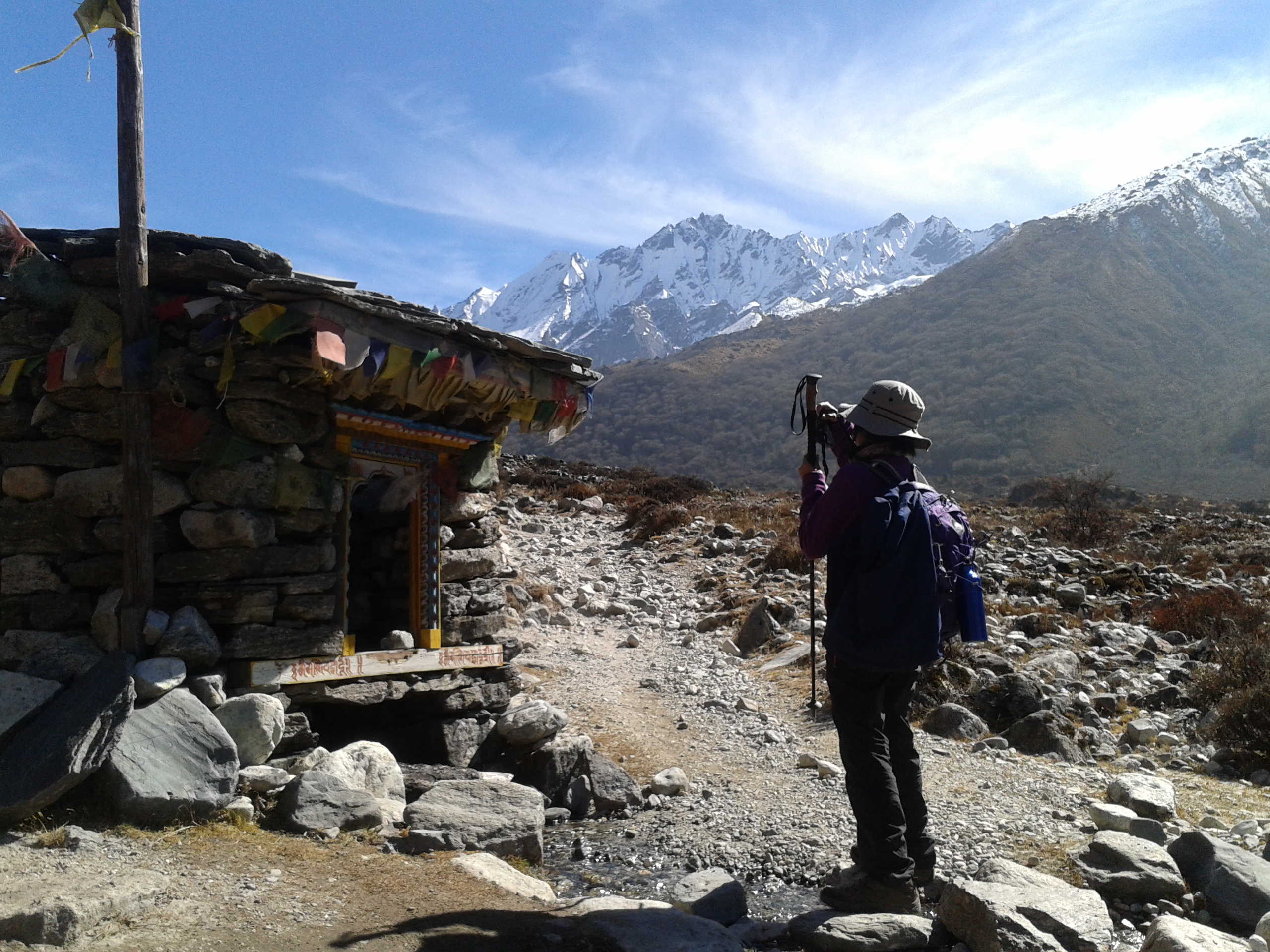
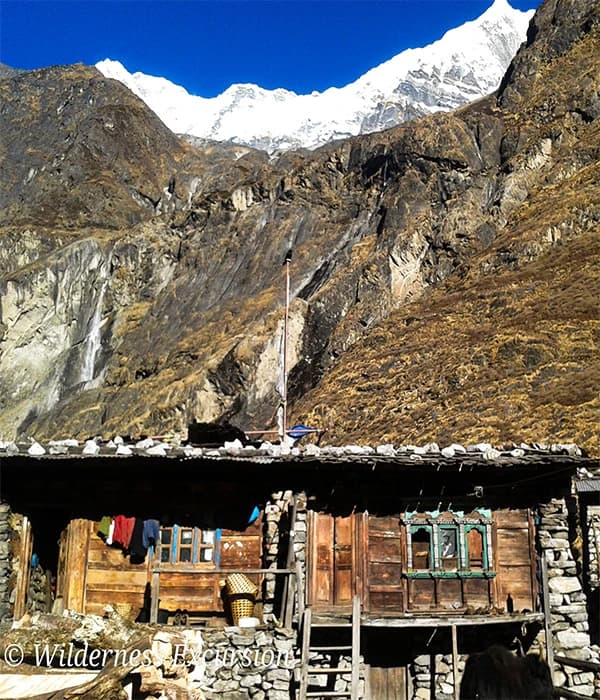
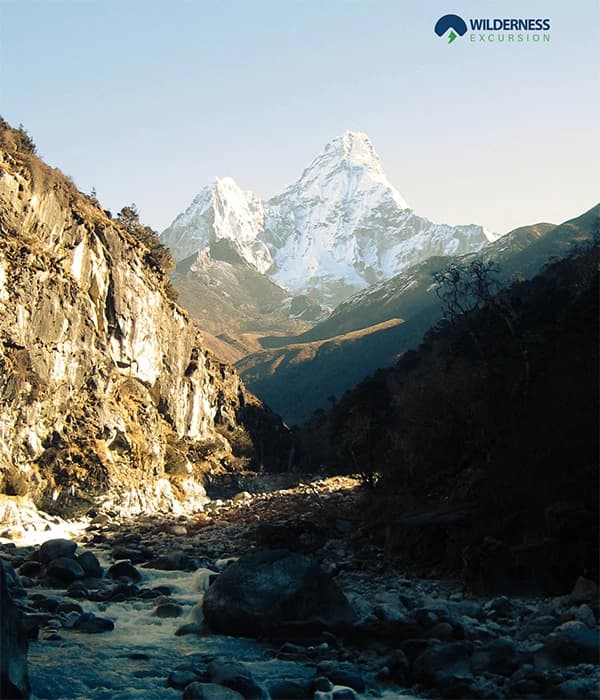
Photo: Way to Kyanjin Gompa – Wilderness Excursion
Late April to Early May (Best Spring Window)
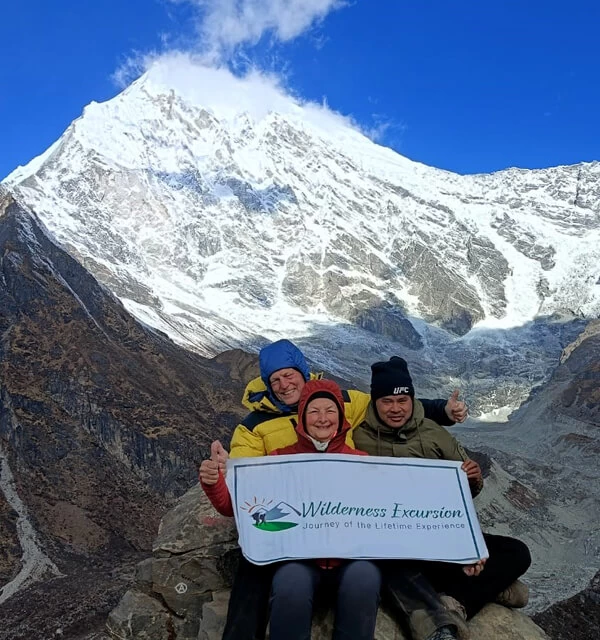
This short window is considered one of the most favorable times for the Langtang Valley Trek. Weather conditions are generally stable, with clear mornings and comfortable daytime temperatures. Trails are dry, making trekking easier and more predictable. Visibility is at its best during this period, offering consistent views of Langtang Lirung and surrounding peaks. The forests remain lush from spring bloom, while higher elevations provide crisp alpine scenery. Compared to peak autumn, this period offers a slightly quieter trail with equally rewarding landscapes. It is particularly ideal for photography, as lighting conditions and clarity combine to enhance the overall Himalayan experience.
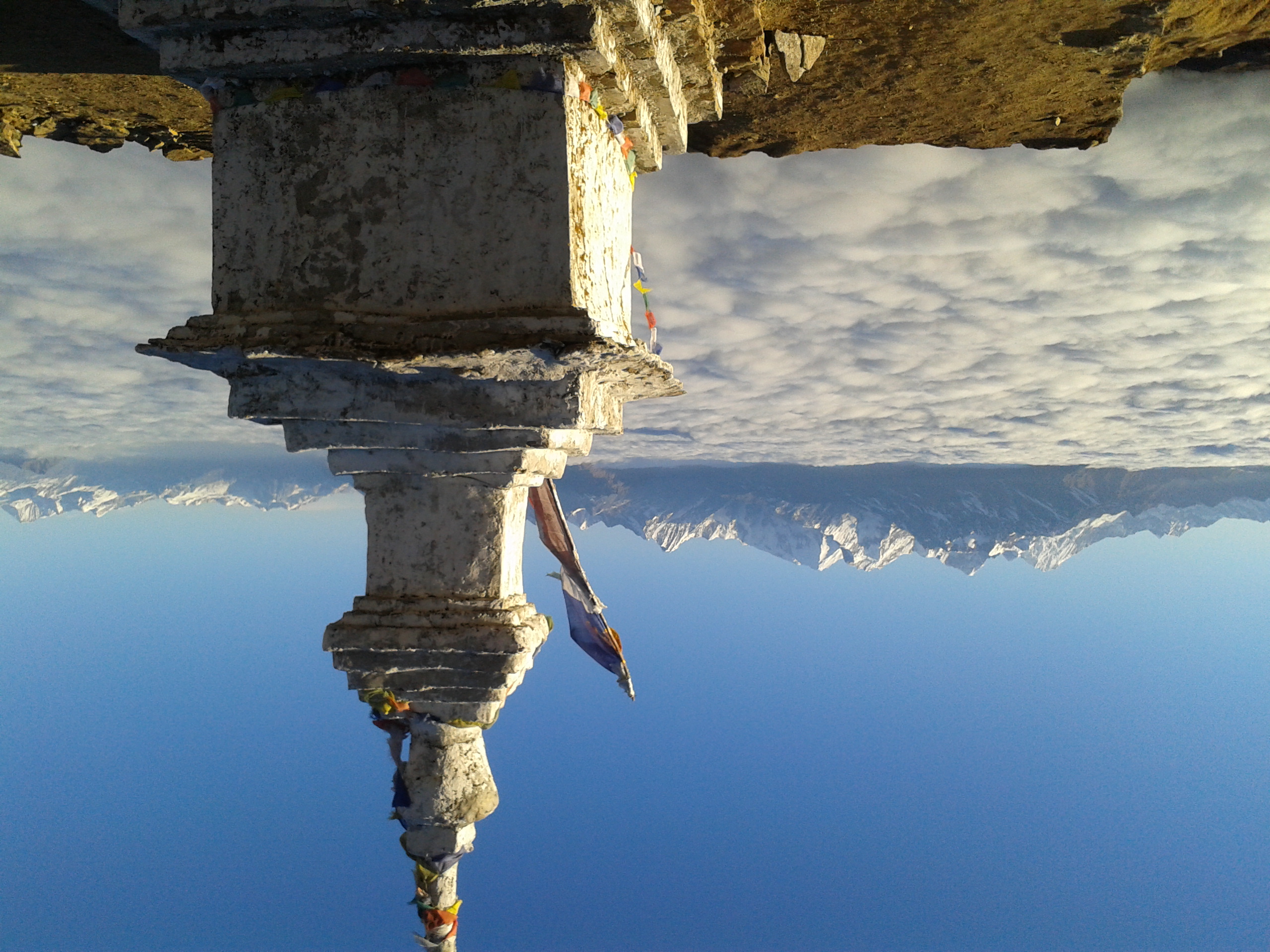
Photo - Wilderness Excursion
Late May to June (Pre-Monsoon Transition)
As the region moves toward the monsoon season, weather patterns begin to shift. Temperatures rise, and humidity increases, especially in lower sections like Syabrubesi and Lama Hotel. Clouds start to build in the afternoons, often reducing visibility in higher areas. Rainfall becomes more frequent toward late June, making trails damp and occasionally slippery. While trekking is still possible, conditions require flexibility, as weather changes can affect daily plans. The landscape remains green and active, but mountain views may be inconsistent. This period suits trekkers who are prepared for variable conditions and prefer quieter trails over perfect visibility.
July to August (Monsoon Season)
Monsoon brings consistent rainfall across the Langtang region, significantly impacting trail conditions and overall trekking experience. Paths become muddy, leeches are common in forested areas, and landslides can occasionally affect access routes. Mountain views are often hidden behind dense clouds, limiting the visual reward of the trek. However, the landscape becomes deeply lush, with rivers flowing strongly and vegetation at its peak. Most trekkers generally avoid this season due to safety and visibility concerns. That said, experienced trekkers seeking solitude and a raw monsoon landscape may still find a unique charm in this off-season period.
September to November (Autumn – Peak Season)
Autumn is widely considered the best time for the Langtang Valley Trek. After the monsoon clears, the atmosphere becomes fresh and dust-free, resulting in exceptionally clear mountain views. September starts with lingering greenery, while October offers the most stable weather and crystal-clear skies, making it the peak trekking month. Trails are dry, temperatures are comfortable, and visibility remains consistent throughout the journey. November continues to provide excellent conditions with slightly cooler temperatures and fewer crowds. This season also coincides with major Nepalese festivals such as Dashain and Tihar, allowing trekkers to experience local culture, celebrations, and traditions in mountain villages along the route.
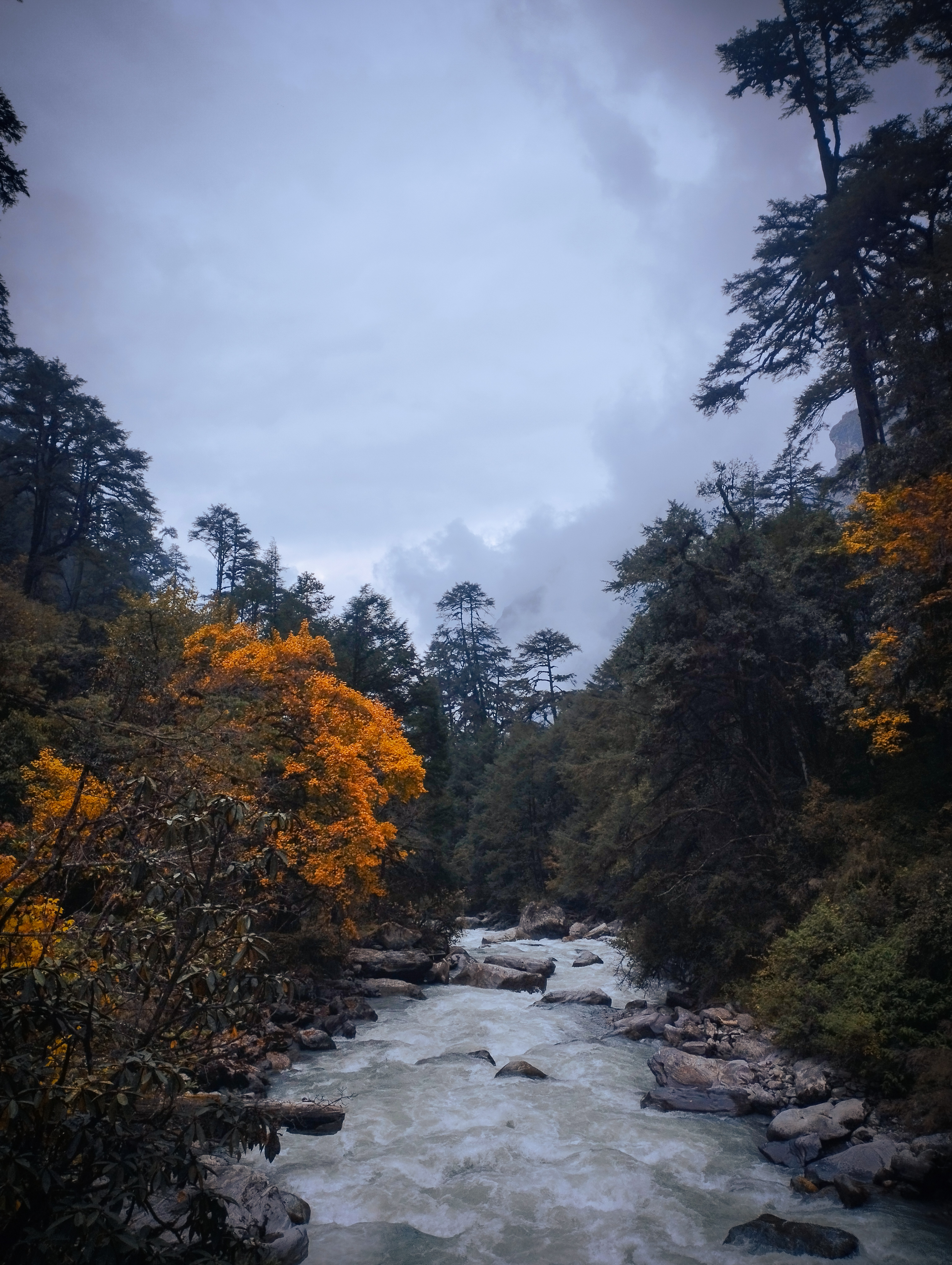
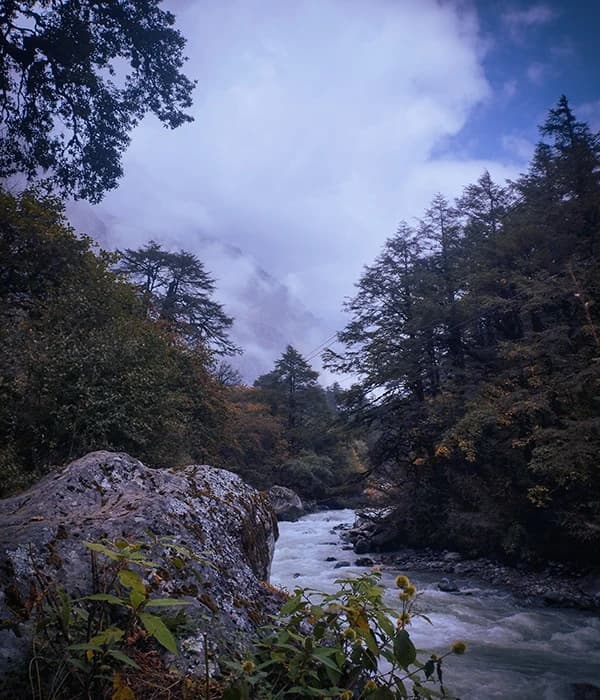
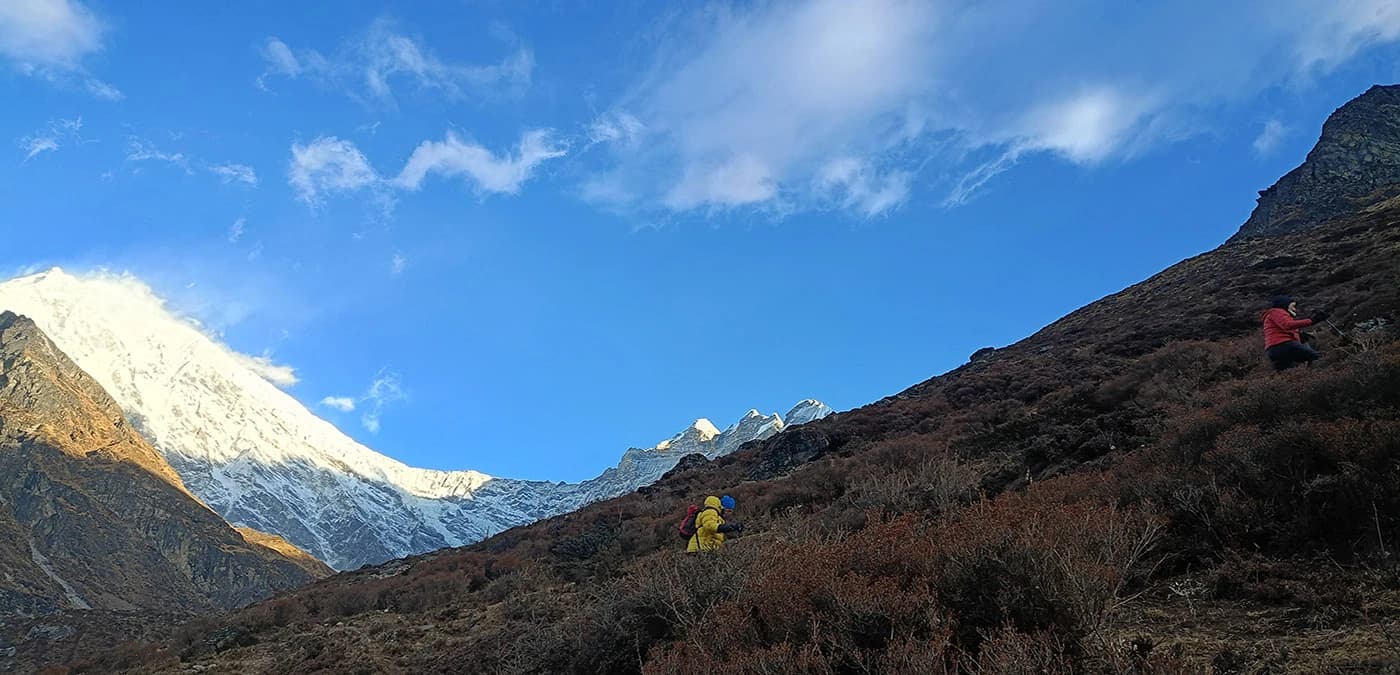
Photo: Langtang Khola near Pering Kharka – Yogesh Tamang
December to February (Winter – Off Season)
Winter transforms Langtang into a quieter and more challenging trekking destination. Temperatures drop significantly, especially at higher elevations like Kyanjin Gompa and viewpoints such as Tsergo Ri. Snowfall can cover trails, making sections more difficult and sometimes limiting access to higher viewpoints. Many teahouses remain open in lower regions, but options may be limited as you gain altitude. Despite these challenges, winter offers clear skies and a peaceful environment with very few trekkers on the trail. This season is suitable for well-prepared trekkers who are comfortable with cold conditions and are looking for solitude rather than convenience.
Overall, the Langtang Valley Trek 8 Days is best experienced during spring and autumn, when weather stability, visibility, and trail conditions align for a balanced Himalayan trekking experience.
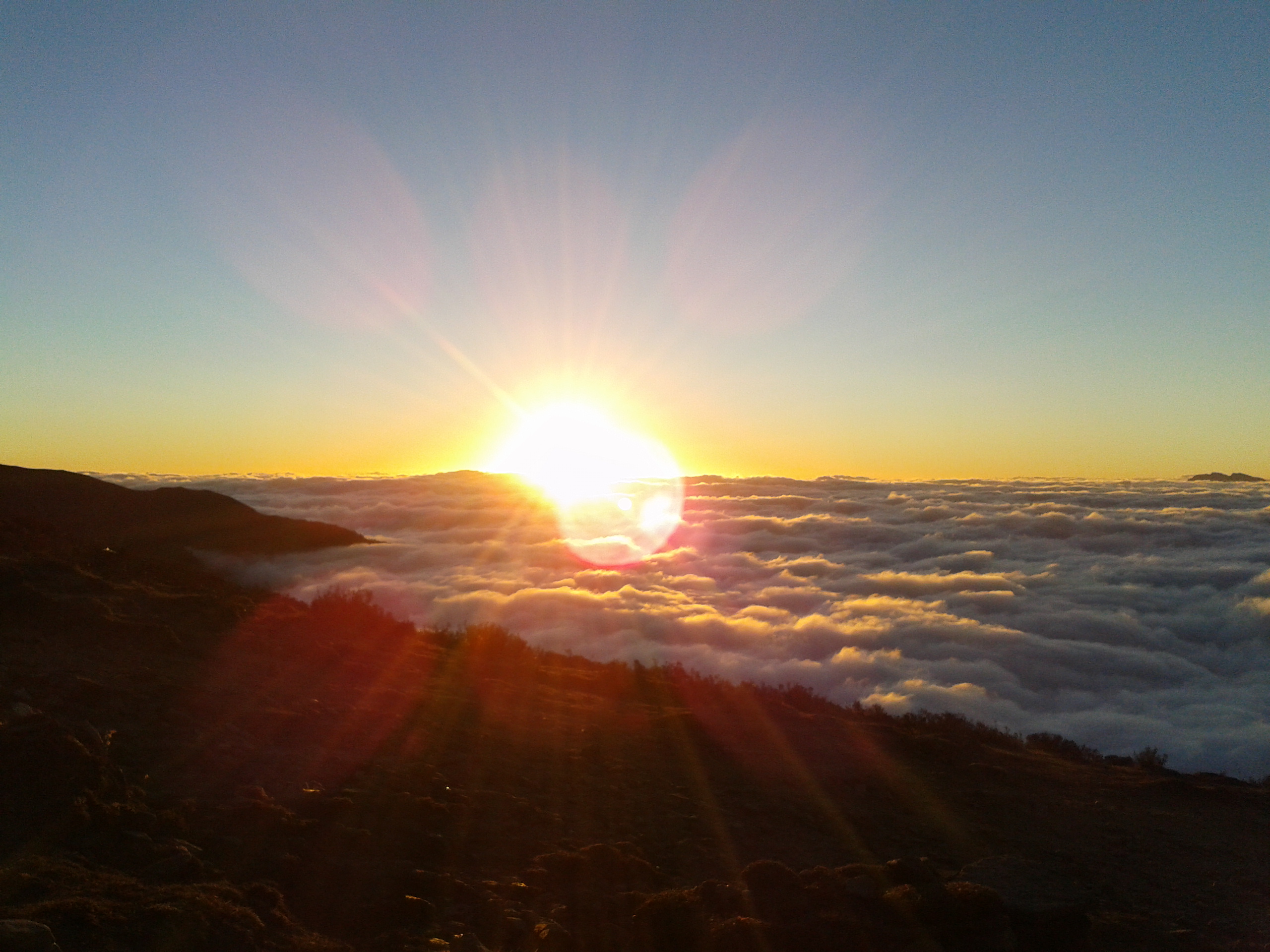
Which season to choose between Autumn and Spring?
Spring and autumn are the two most favorable seasons for the Langtang Valley Trek 8 Days, each offering a distinct experience shaped by weather, landscape, and cultural atmosphere. Rather than defining one as better than the other, the choice depends on what kind of journey a trekker is looking for. Both seasons provide stable trekking conditions, but the overall feel of the trail, scenery, and daily experience can vary noticeably.
Spring in the Langtang region is marked by renewal and gradual transition. As the trail moves from lower valleys to higher alpine terrain, trekkers pass through forests coming back to life after winter. Rhododendron blooms, fresh greenery, and flowing streams define the journey, especially between Syabrubesi and Langtang Village. Weather can still be slightly variable in early weeks, but conditions become more stable as the season progresses. The atmosphere feels vibrant and active, making it suitable for those who enjoy a more colorful and evolving landscape.
Spring Highlights
- Blooming rhododendron and lush forest sections
- Gradual warming temperatures with comfortable trekking conditions
- Fewer crowds compared to peak autumn weeks
- Active wildlife and fresh natural surroundings
- Balanced mix of greenery and emerging mountain views
Autumn, on the other hand, offers clarity and consistency. After the monsoon season clears the air, the Langtang Valley opens up with sharp, uninterrupted mountain views. Trails are dry, skies are stable, and visibility remains strong throughout the trek, especially around Kyanjin Gompa and surrounding viewpoints. The overall experience feels more defined and predictable, with a strong focus on panoramic Himalayan scenery. This season also aligns with major Nepalese festivals, adding a cultural dimension to the journey through local villages.
Autumn Highlights
- Clear skies with consistent mountain visibility
- Stable weather and dry trail conditions
- Peak trekking season with well-established services
- Cultural experiences during festivals like Dashain and Tihar
- Crisp air and expansive alpine landscapes
For trekkers who prefer vibrant forests, fewer crowds, and a sense of seasonal transition, spring offers a refreshing and dynamic experience. For those seeking clear mountain views, predictable weather, and cultural immersion during festive periods, autumn provides a more stable and visually rewarding journey. Both seasons showcase the Langtang Valley in different ways, allowing trekkers to choose based on personal preference rather than limitation.
Monsoon treks in Nepal
Monsoon trekking in Nepal offers a very different experience compared to the classic spring and autumn seasons. From June to August, the mountains shift into a quieter, rain-fed landscape where trails, forests, and rivers come alive. While it is often considered an off-season for trekking, it attracts a specific type of traveler who values atmosphere, solitude, and a deeper connection with nature over clear mountain views.
One of the most distinct characteristics of monsoon trekking is the transformation of the landscape. Hills and valleys turn intensely green, forests become dense and vibrant, and waterfalls appear along the trails. Mist and drifting clouds create a calm, almost cinematic environment, especially in regions like Langtang Valley. The rhythm of rain, combined with fewer trekkers on the trail, creates a peaceful and immersive trekking experience.
However, monsoon conditions also bring challenges. Trails can be muddy and slippery, leeches are common in forested areas, and visibility is often limited due to cloud cover. Landslides may affect certain routes, and flexibility in planning becomes important. Because of this, monsoon trekking is not about chasing perfect views but embracing the journey itself.
Monsoon trekking is best suited for travelers who enjoy:
- Quiet trails with minimal crowd
- Lush green forests and flowing rivers
- A slower, more reflective trekking experience
- Photography focused on mood, texture, and landscape rather than peaks
It is also ideal for experienced trekkers or those who are comfortable adapting to changing weather conditions. For many, the appeal lies in experiencing the Himalayas in their most raw and natural state, where the journey feels more personal and less defined by expectations. If you want a monsoon trek in Nepal, follow the link given: - https://wildernessexcursion.com/nepal-monsoon-trek
Our little advice to trekkers
Trekking is a physical and spiritual journey that is meant to be enjoyed in every aspect. It is not a competition on who reaches where first, but a peaceful journey towards inner peace. Be mindful, calm, and stress-free before starting your day during the trek. When you reach the destination, sometimes the weather may not favor you, so do not be dissatisfied with the scenarios, as you can always trek again. Remember, trekking is not the destination but the whole journey.
Book your trip
For a hassle-free trekking experience, including permits, accommodation, experienced guides, and full route management, you can explore our organized trekking packages designed for all levels of trekkers